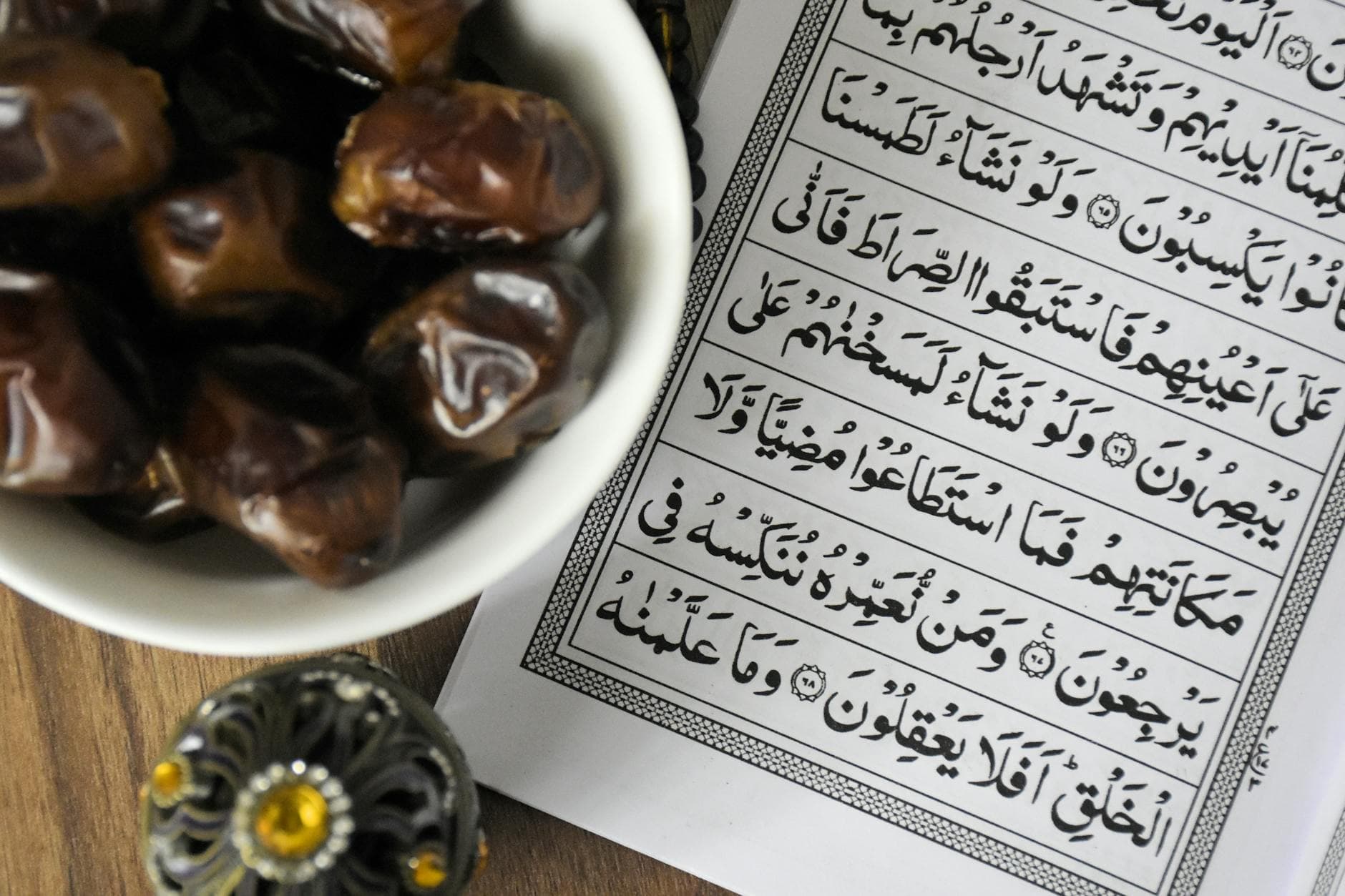
Unlock Immense Blessings: Fasting the Day of Arafah for Forgiveness
In the Islamic calendar, certain days stand out as beacons of immense blessings and opportunities for spiritual growth. Among these revered days, the Day of Arafah shines brightest, offering a unique chance for Muslims worldwide to draw closer to Allah (SWT) and seek His boundless mercy. While millions of pilgrims gather on the plains of Arafat to perform the most crucial rite of Hajj, Muslims globally are encouraged to partake in the spiritual rewards of this blessed day through fasting and devoted worship. This comprehensive guide will explore the profound significance of the Day of Arafah and the immense virtues of observing fast on it.
What is the Day of Arafah?
The Day of Arafah falls on the 9th day of Dhul Hijjah, the twelfth and final month of the Islamic lunar calendar. It is the day before Eid al-Adha. For pilgrims performing Hajj, standing on Mount Arafat is the pinnacle of their sacred journey. On this day, pilgrims spend their time in earnest supplication, seeking forgiveness, and connecting deeply with their Creator. It is a day of profound introspection, devotion, and submission to the Divine will, embodying the very essence of Hajj.
Even for those not on Hajj, the spiritual energy of Arafah permeates the globe, offering a powerful opportunity for all Muslims to participate in its blessings. The Prophet Muhammad (peace be upon him) highlighted its importance, making it a day of special focus for Muslims everywhere.
The Immense Virtue of Fasting on Arafah: A Gateway to Forgiveness
The most remarkable virtue associated with the Day of Arafah for non-pilgrims is the act of fasting. This single act of worship carries an extraordinary reward from Allah (SWT), promising forgiveness for a vast amount of sins. The Messenger of Allah (peace be upon him) emphasized this virtue in a widely authenticated Hadith:
"Fasting on the Day of 'Arafah, I hope from Allah, expiates the sins of the year before and the year after it."
(Sahih Muslim, Book 13, Hadith 262)
Imagine the mercy of Allah! A single day of fasting has the potential to wipe away two years' worth of minor sins – the sins of the preceding year and the upcoming year. This is a testament to Allah's infinite generosity and His desire for His servants to return to Him, pure and sincere.
What Kind of Sins Are Forgiven?
It is important to understand that the expiation of sins primarily refers to minor sins (sagha'ir). Major sins (kaba'ir), such as murder, theft, or oppression, require sincere repentance (tawbah nasuha) to be forgiven. Sincere repentance involves:
- Immediately stopping the sin.
- Feeling remorse for having committed it.
- Firmly resolving not to return to it.
- If the sin involves the rights of another human being, seeking their forgiveness or making amends.
Fasting on Arafah, coupled with sincere repentance, can be a powerful catalyst for seeking forgiveness for all types of sins, major and minor. It's a reminder of Allah's immense love and His constant open door for those who turn to Him.
Who Should Fast on Arafah?
For Non-Pilgrims:
Fasting on the Day of Arafah is highly recommended (Sunnah Mu'akkadah) for all Muslims who are not performing Hajj. It is an act of great reward and an opportunity not to be missed. Just as the pilgrims strive on Arafat, those at home can strive through this blessed fast.
For Pilgrims:
For those physically present on Mount Arafat performing Hajj, it is generally not recommended to fast. The wisdom behind this is to ensure pilgrims have the strength and energy to engage fully in their supplications, remembrance of Allah, and the demanding rituals of Hajj. The Prophet Muhammad (peace be upon him) himself did not fast when he was on Arafat during his Farewell Hajj.
Umm Al-Fadl bint Al-Harith reported that some people had a doubt on the Day of 'Arafah as to whether the Prophet (ﷺ) was fasting or not. So she sent him a cup of milk, and he drank it.
(Sahih Bukhari, Book 30, Hadith 1989)
This Hadith clearly indicates that the Prophet (peace be upon him) was not fasting while on Arafat, establishing the Sunnah for pilgrims.
When Exactly is the Day of Arafah?
The Day of Arafah is the 9th day of Dhul Hijjah. However, the exact Gregorian date varies each year due to the Islamic calendar being lunar. It's crucial for Muslims to follow the declarations of their local Islamic authorities, mosques, or moon-sighting committees to ascertain the precise day, as this can sometimes differ based on moon sighting across various regions.
Beyond Fasting: Making the Most of the Day of Arafah
While fasting is a primary act of worship on Arafah for non-pilgrims, the day is rich with other opportunities for spiritual upliftment. Pilgrims on Arafat and Muslims around the world can maximize this blessed day through several acts of devotion:
1. Intense Du'a (Supplication)
The Day of Arafah is considered one of the most powerful days for Du'a. It is a day when Allah descends to the nearest heaven and boasts of the pilgrims to His angels, showering them with His mercy. For all Muslims, it's a golden opportunity to pour out one's heart to Allah, ask for needs, seek forgiveness, and pray for loved ones and the entire Ummah.
The Prophet (peace be upon him) said: “The best supplication is the supplication on the Day of Arafah, and the best of what I and the prophets before me have said is: ‘La ilaha illallah wahdahu la sharika lah, lahul-mulku wa lahul-hamdu wa huwa ‘ala kulli shai’in qadir.’” (There is no god but Allah alone, He has no partner, to Him belongs sovereignty and praise, and He is over all things competent.)
(Though widely known, this specific wording is not found in Sahih Bukhari or Sahih Muslim with this attribution. However, the significance of Du'a on Arafah is undisputed in Islamic tradition. Muslims should nonetheless strive to make abundant Du'a.)
Make a list of your prayers, reflect on your spiritual state, and supplicate with sincerity and certainty that Allah will answer.
2. Abundant Dhikr (Remembrance of Allah)
Engage in extensive remembrance of Allah throughout the day. This includes:
- Tasbih: SubhanAllah (Glory be to Allah)
- Tahmid: Alhamdulillah (All praise is due to Allah)
- Tahlil: La ilaha illallah (There is no god but Allah)
- Takbir: Allahu Akbar (Allah is the Greatest)
- Salawat: Sending blessings upon the Prophet Muhammad (peace be upon him) (Allahumma Salli 'ala Muhammad)
Dhikr keeps the heart alive and connected to Allah, fostering a sense of peace and tranquility.
3. Istighfar (Seeking Forgiveness)
Beyond the expiation from fasting, consciously seek forgiveness from Allah for your sins. The more you ask for forgiveness, the more you purify your heart and soul. Couple your fasting with heartfelt Istighfar, reflecting on your shortcomings and renewing your commitment to live righteously.
4. Recitation of the Quran
Spend time reciting the Holy Quran, pondering over its meanings, and reflecting on its guidance. The Quran is a light and a mercy, and engaging with it on such a blessed day multiplies its spiritual benefits.
5. Performing Good Deeds
While fasting and specific acts of worship are highlighted, all good deeds are amplified on this day. Engage in acts of charity, be kind to your family and neighbors, visit the sick, or help those in need. Every good deed performed with sincerity will be abundantly rewarded by Allah (SWT).
The Spirit of Arafah: Unity and Repentance
The Day of Arafah symbolizes unity, as millions of Muslims, regardless of their background, gather in devotion or align their worship from afar. It's a day of profound spiritual renewal, an opportunity to cleanse the soul, strengthen one's faith, and recommit to the path of Allah. The sincerity (ikhlas) with which we approach this day is paramount. It's not merely about abstaining from food and drink, but about purifying our intentions, humbling ourselves before our Creator, and striving for spiritual excellence.
Conclusion
The Day of Arafah is a precious gift from Allah (SWT) to His believing servants. For those not performing Hajj, fasting on this blessed day offers an unparalleled opportunity for the expiation of sins and immense spiritual rewards. Beyond fasting, it is a day to dedicate ourselves to earnest supplication, abundant remembrance of Allah, seeking forgiveness, and performing good deeds. Let us seize this magnificent chance to draw closer to our Creator, purify our souls, and set a renewed course for a life pleasing to Allah.
Prepare your intentions, inform your family and friends, and embrace the Day of Arafah with a heart full of hope, gratitude, and devotion. May Allah accept our fasts, our prayers, and our good deeds, and grant us forgiveness and mercy, Amin.