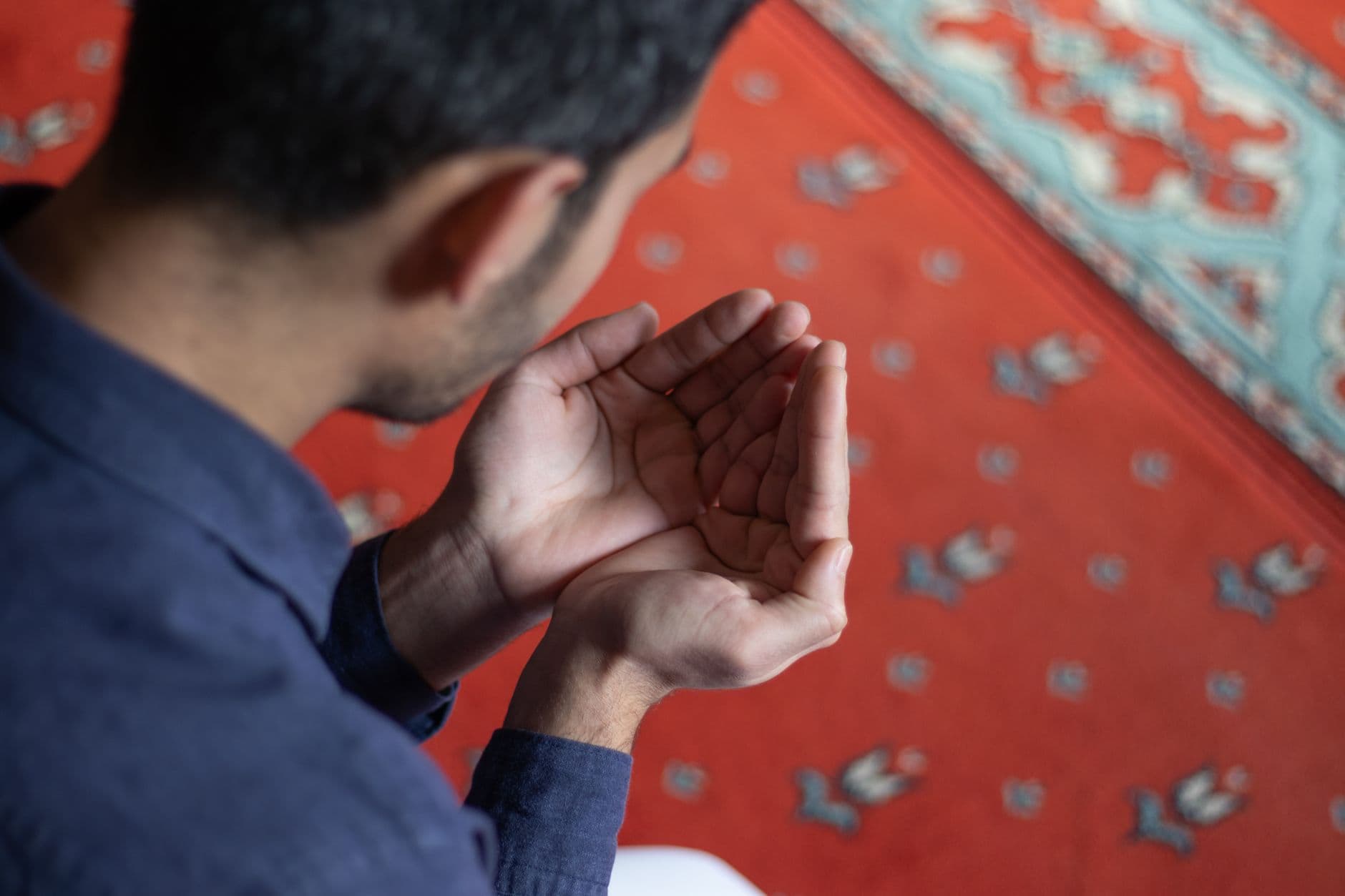
The Transformative Power of Shukr: Embracing Gratitude in Islam
In our fast-paced world, it's easy to get caught up in the pursuit of more – more wealth, more success, more comfort. Yet, Islam teaches us a profound truth that transcends worldly desires: the immense power of Shukr, or gratitude. Shukr is not merely a polite 'thank you'; it's a deep, all-encompassing recognition of Allah's blessings, a state of heart, tongue, and action that transforms our perception of life and strengthens our connection with our Creator.
This comprehensive guide will explore the multifaceted nature of gratitude in Islam, delving into its Quranic foundations, the Prophetic example, its incredible benefits, and practical ways to cultivate it in your daily life. Whether you're a new Muslim seeking to understand core Islamic principles or a practicing Muslim looking to deepen your spiritual journey, embracing Shukr is a pathway to inner peace and ultimate success.
Understanding Shukr: More Than Just Words
Shukr, in Arabic, signifies gratitude, thankfulness, and appreciation. In an Islamic context, it means recognizing and acknowledging the countless blessings bestowed upon us by Allah (SWT) – seen and unseen, big and small – and responding to them with praise, obedience, and sincere devotion. It encompasses three dimensions:
- Gratitude of the Heart (Qalb): Recognizing and feeling deeply that all blessings come from Allah alone, and no one else has the power to grant or withhold them.
- Gratitude of the Tongue (Lisan): Expressing thanks to Allah through words like 'Alhamdulillah' (All praise and thanks are due to Allah), dhikr (remembrance of Allah), and spreading His praises.
- Gratitude of the Limbs (Jawarih): Using Allah's blessings in ways that please Him. This means utilizing our health, wealth, time, knowledge, and abilities in obedience to Allah and for the benefit of humanity.
The Quranic Emphasis on Gratitude
Allah (SWT) calls upon us repeatedly in the Quran to be grateful, highlighting its significance and the severe consequences of ingratitude. He links gratitude directly to an increase in blessings and promises a great reward for those who are thankful.
Allah (SWT) says in the Quran:
"And [remember] when your Lord proclaimed, 'If you are grateful, I will surely increase you [in favor]; but if you deny, indeed, My punishment is severe.'" (Quran 14:7)
This powerful verse serves as both a promise and a warning. It assures us that gratitude is a direct key to unlocking more blessings, while ingratitude can lead to severe consequences. Allah loves the grateful.
Another verse highlights Allah's self-sufficiency and His appreciation for our gratitude:
"And whoever is grateful – he is only grateful for [the benefit of] himself. And whoever denies – then indeed, Allah is Free of need and Praiseworthy." (Quran 27:40)
This reminds us that our gratitude does not benefit Allah, who is free of all needs. Rather, it benefits us, purifying our souls and drawing us closer to Him. Our gratitude is a testament to our faith and understanding of His boundless generosity.
Many verses also mention gratitude as a quality of His chosen servants:
"...And we will reward the grateful." (Quran 3:145)
"...And few of My servants are grateful." (Quran 34:13)
This latter verse from Surah Saba reminds us that true gratitude is a rare and precious quality, making those who possess it even more beloved to Allah.
The Prophetic Example: A Life of Shukr
The Prophet Muhammad (peace be upon him) was the epitome of gratitude. His life was a living example of Shukr, in times of ease and hardship. He taught us that gratitude is not just for grand blessings but for every breath, every moment, and every single favour.
It is narrated by Aisha (RA):
"When the Prophet (ﷺ) prayed, he used to stand (in prayer) till his feet swelled. I said, 'O Allah's Messenger! Has Allah not forgiven you all your sins of the past and future?' He said, 'Should I not be a thankful slave?'" (Sahih Bukhari 4837)
This Hadith is incredibly profound. Despite being assured of Allah's forgiveness, the Prophet (PBUH) chose to spend his nights in arduous worship, demonstrating his deep gratitude. His actions teach us that gratitude is not contingent on our needs or wants, but on the recognition of Allah's inherent right to be worshipped and thanked.
He would often make dua (supplication) for gratitude, teaching us how to ask Allah for this noble quality:
The Messenger of Allah (ﷺ) taught us to say: "Allahumma a'inni 'ala dhikrika wa shukrika wa husni 'ibadatika" (O Allah, help me to remember You, to thank You, and to worship You in the best of manners). (Sunan Abi Dawud 1522, deemed Sahih)
The Profound Benefits of Cultivating Shukr
Embracing gratitude in Islam brings a plethora of benefits, both in this life and the Hereafter:
- Increased Blessings: As promised in Quran 14:7, gratitude is a direct catalyst for Allah to increase His favours upon us.
- Inner Peace and Contentment: A grateful heart finds peace amidst life's challenges. It shifts focus from what is lacking to what is abundant, fostering contentment (
Qana'ah). - Stronger Connection with Allah: Constant remembrance of Allah's blessings naturally draws us closer to Him, enhancing our faith (
Iman) and love for Him. - Resilience in Hardship: When we are accustomed to being grateful in ease, it becomes easier to find aspects to be grateful for even during trials, helping us endure with patience (
Sabr). - Protection from Arrogance and Envy: Gratitude helps us recognize our reliance on Allah, preventing arrogance. It also diminishes envy as we appreciate our own blessings without constantly comparing them to others.
- Purification of the Soul: Shukr cleanses the heart from negative emotions and fosters positive attributes like humility, generosity, and compassion.
- Reward in the Hereafter: The grateful servants are promised a great reward by Allah, as mentioned in the Quran.
Practical Ways to Cultivate a Grateful Heart
Cultivating Shukr is a continuous journey that requires conscious effort and practice. Here are some actionable steps you can take:
1. Daily Dhikr and Supplication
Make 'Alhamdulillah' a constant on your tongue. After every prayer, upon waking up, before eating, after completing a task – find moments to sincerely utter 'Alhamdulillah'. Recite the supplication taught by the Prophet (PBUH):
"O Allah, help me to remember You, to thank You, and to worship You in the best of manners." (Sunan Abi Dawud 1522)
2. Reflect on Allah's Blessings
Take time each day, perhaps after Fajr or before sleeping, to consciously reflect on the blessings in your life. Don't limit yourself to obvious ones like health and wealth. Consider:
- The ability to see, hear, walk.
- The taste of food, the comfort of your home.
- The love of your family and friends.
- The opportunity to pray, read Quran, and learn about Islam.
- Even simple things like a refreshing glass of water or a comfortable bed.
Keep a 'gratitude journal' to jot down new blessings you notice each day.
3. Observe Those with Less
The Prophet (PBUH) advised us:
"Look at those who are beneath you and do not look at those who are above you, for that is more apt to make you appreciate the blessings of Allah upon you." (Sahih Muslim 2963)
This perspective helps us appreciate what we have rather than yearning for what others possess. It fosters contentment and prevents feelings of deprivation.
4. Use Blessings in Obedience to Allah
True gratitude is not just verbal; it's also active. If Allah has blessed you with knowledge, share it. If you have wealth, spend in charity. If you have health, use it to stand for justice, help others, and strive in His path. Using Allah's blessings in ways that please Him is the highest form of Shukr.
5. Practice Patience (Sabr) During Hardship
Even in times of difficulty, there are always things to be grateful for. Be grateful for the ability to turn to Allah, for the chance to earn reward through patience, for the hidden wisdom in trials, and for the blessings that remain. The Prophet (PBUH) said:
"How wonderful is the affair of the believer, for all his affairs are good, and this applies to no one except the believer. If prosperity comes to him, he thanks Allah, and that is good for him. And if adversity befalls him, he perseveres, and that is good for him." (Sahih Muslim 2999)
This Hadith beautifully illustrates that gratitude and patience are two sides of the same coin for a believer, both leading to goodness.
6. Thank People
Part of thanking Allah is thanking His creation. The Prophet (PBUH) said:
"He who does not thank the people, does not thank Allah." (Sunan Abi Dawud 4811, deemed Sahih)
Expressing sincere thanks to people for their kindness, help, or generosity is an act of worship and a reflection of our gratitude to the ultimate Giver, Allah (SWT).
Avoiding Ingratitude: The Dangers of Kufr an-Ni'mah
Just as Shukr brings immense rewards, its opposite, Kufr an-Ni'mah (ingratitude for blessings), carries severe warnings. Ingratitude can manifest as:
- Denying Allah's blessings: Attributing success or blessings solely to one's own efforts or to others, ignoring Allah's role.
- Misusing blessings: Using health, wealth, or talents in ways that displease Allah, such as engaging in sin or oppressing others.
- Complaining constantly: Focusing on what is lacking rather than what is present, leading to discontent and a weakened faith.
Allah warns against ingratitude, reminding us of the transient nature of worldly possessions and the ultimate accountability. By consciously striving for gratitude, we safeguard ourselves from the pitfalls of arrogance and heedlessness.
Conclusion: A Grateful Heart, A Blessed Life
Shukr is more than an emotion; it is a way of life, a lens through which we view the world, and a profound act of worship that encompasses our heart, tongue, and limbs. It is a continuous journey of recognizing Allah's infinite favours, expressing our thanks, and utilizing His blessings in obedience to Him.
By embracing the transformative power of Shukr, we unlock increased blessings, cultivate inner peace, strengthen our connection with Allah, and pave the way for success in both this life and the Hereafter. May Allah (SWT) make us among His truly grateful servants. Ameen.