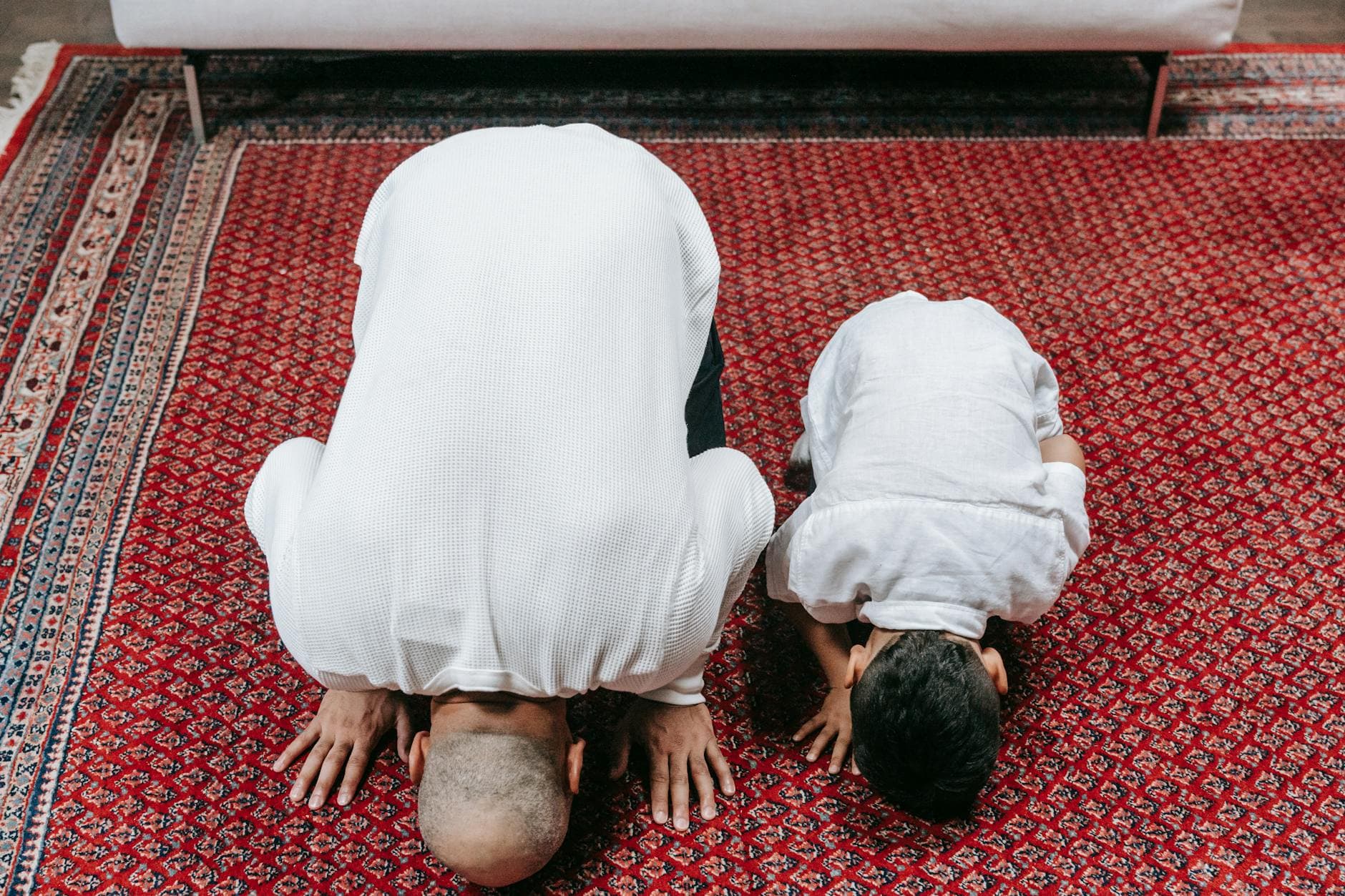
The Spiritual Journey of Salah: Connecting with Allah Through Daily Prayer
In the grand tapestry of Islamic practice, few threads are as vibrant and essential as Salah, the prescribed daily prayer. It is the second pillar of Islam, a direct and personal communion between a believer and their Creator. Far from being a mere ritual, Salah is a profound spiritual journey, a timeless appointment with Allah (SWT) that nourishes the soul, purifies the heart, and anchors the Muslim in a world of constant change and distraction.
For many, Salah is a source of peace, strength, and guidance. For others, it can sometimes feel like a repetitive obligation. This post aims to delve into the true essence of Salah, exploring its immense spiritual benefits, its foundational role in our faith, and practical ways to imbue each prayer with deeper meaning and presence, helping you transform it from a routine into a radiant spiritual experience.
Salah: The Indispensable Pillar of Faith
Salah is not merely recommended; it is an obligation, a fundamental tenet that distinguishes a Muslim. Its significance is emphasized repeatedly in the Quran and the Sunnah of the Prophet Muhammad (peace be upon him). It is the first thing a Muslim will be questioned about on the Day of Judgment, highlighting its paramount importance.
Allah (SWT) says in the Quran:
"And establish prayer and give zakah and bow with those who bow [in worship and obedience]."
— Quran 2:43
This verse underscores Salah as an act of worship and obedience, linking it directly with bowing in humility. The Prophet Muhammad (PBUH) further clarified its position in Islam:
Narrated Ibn 'Umar: Allah's Messenger (ﷺ) said: "Islam is based on five (pillars): To testify that none has the right to be worshipped but Allah and Muhammad is Allah's Messenger; to offer the (compulsory congregational) prayers dutifully and perfectly; to pay Zakat (i.e. obligatory charity); to perform Hajj. (i.e. pilgrimage to Mecca); and to observe fast during the month of Ramadan."
— Sahih Bukhari 8
This Hadith clearly places Salah as the second pillar, indicating its structural role in upholding one's faith. It is the thread that connects all other acts of worship and provides a continuous reminder of our purpose in life: to worship Allah alone. Imagine a building: without its foundational pillars, it cannot stand. Similarly, without Salah, the structure of our faith would falter.
More Than Just Movement: The Essence of Khushu'
While performing the physical movements of Salah is a requirement, the true spirit of prayer lies in Khushu'. Khushu' refers to humility, devotion, and mindfulness in prayer – a state where the heart is fully present and engaged, filled with awe and reverence for Allah. It's about consciously turning your entire being towards your Creator, leaving worldly concerns behind, and focusing solely on Him.
Allah (SWT) reminds us of the importance of Khushu' in prayer:
"Indeed, successful are the believers, those who are during their prayer humbly submissive."
— Quran 23:1-2
This verse suggests that true success, both in this life and the next, is tied to the quality of our Salah. A prayer without Khushu' may fulfill the obligation, but a prayer with Khushu' nurtures the soul, cleanses the heart, and brings profound peace. It's the difference between merely going through the motions and truly experiencing a spiritual ascent.
Achieving Khushu' is a lifelong endeavor. It requires conscious effort, self-awareness, and a deep understanding of what we are reciting. When we stand before Allah, we are standing before the King of Kings, the All-Mighty, the All-Knowing. Recognizing this elevates the prayer from a routine to a profound conversation, a moment of profound intimacy with the Divine.
The Transformative Power of Prayer
The benefits of Salah extend far beyond fulfilling a religious duty. It is a powerful tool for self-purification, discipline, and seeking divine aid. Regularly engaging in Salah transforms an individual's life in multifaceted ways.
Spiritual Purification and Forgiveness
Salah acts as a spiritual cleanser, washing away sins and shortcomings. The Prophet Muhammad (PBUH) illustrated this beautifully:
"The five (daily) prayers and Friday prayer to the Friday prayer, and Ramadan to Ramadan, are expiations for the (sins committed) in between (them), so long as one avoids the major sins."
— Sahih Muslim 233
He also gave a vivid analogy:
"What do you think if there was a river at the door of one of you and he would bathe in it five times a day, would there remain any dirt on him?" They said, "No dirt would remain on him." He said, "That is the example of the five prayers by which Allah erases sins."
— Sahih Bukhari 528
This highlights Salah's incredible ability to cleanse us spiritually, offering repeated opportunities for repentance and renewal throughout the day.
A Source of Inner Peace and Strength
In a world fraught with anxiety and stress, Salah offers a sanctuary of peace. Turning to Allah five times a day provides a spiritual anchor, reminding us that ultimately, all matters are in His Hands. This remembrance brings tranquility and mental fortitude.
"O you who have believed, seek help through patience and prayer. Indeed, Allah is with the patient."
— Quran 2:153
When faced with challenges, Salah becomes our refuge, a direct channel to seek Allah's help and guidance. It instills a sense of calm and reliance on the Most Merciful.
Protection from Immorality and Wrongdoing
Salah is not just a personal act of devotion; it has a profound impact on our character and conduct in society. It serves as a constant reminder of Allah's presence and our accountability.
"Recite, [O Muhammad], what has been revealed to you of the Book and establish prayer. Indeed, prayer prohibits immorality and wrongdoing, and the remembrance of Allah is greater. And Allah knows that which you do."
— Quran 29:45
This verse tells us that a truly observed prayer, imbued with Khushu', should naturally deter us from sin and wrongdoing, guiding us towards righteousness and good deeds.
Discipline and Time Management
The five daily prayers impose a structure on our day, cultivating discipline and better time management. Each prayer has a specific window, teaching us punctuality and the importance of prioritizing our spiritual obligations amidst worldly pursuits. This routine fosters a sense of order and purpose in our lives.
Practical Tips for Enhancing Your Salah
Improving the quality of your Salah is a continuous journey. Here are some practical steps to help you deepen your connection and experience more Khushu':
1. Prepare Mentally and Physically
Before you even begin, make an effort to prepare. Perform Wudu (ablution) thoroughly, not just as a ritual but as a purification of both body and mind. Wear clean clothes and find a clean, quiet space for prayer. Mentally let go of worldly distractions and focus on the impending meeting with Allah.
2. Understand What You Recite
Learning the meaning of the surahs and du'as you recite in Salah is perhaps the most crucial step towards Khushu'. When you understand the words – the praise, the supplications, the seeking of refuge – your heart will respond with greater presence and devotion. Consider using a translation or commentary to grasp the profound messages within the Quranic verses and prayer phrases.
3. Take Your Time
Rush in prayer is often the enemy of Khushu'. Perform each movement – standing, bowing, prostrating – with deliberation and calmness. Do not rush through the recitations. Pause between verses, allowing the meaning to sink in. The Prophet (PBUH) taught us to pray with tuma'nīnah (tranquility and composure).
4. Remember Allah's Greatness
Before and during prayer, consciously remind yourself of Who you are addressing. Reflect on the majesty, power, mercy, and knowledge of Allah. Imagine yourself standing before Him, acknowledging your utter dependence on Him. This remembrance cultivates awe and humility.
5. Supplicate Sincerely (Du'a)
Utilize the moments of prostration (Sujud) to make heartfelt du'a to Allah. This is a time when a servant is closest to their Lord. Express your hopes, fears, gratitude, and seek His forgiveness and guidance. Personal du'a makes your prayer uniquely yours and strengthens your bond with Allah.
6. Seek Knowledge
Learn more about Salah itself – the Sunnah of the Prophet (PBUH) in prayer, the rulings, and its virtues. The more you understand its importance and intricacies, the more you will appreciate and value it.
Overcoming Challenges in Prayer
It's natural to face challenges like distraction, laziness, or a lack of focus during prayer. These are common struggles, and Islam provides guidance for overcoming them.
- Battling Distractions: When your mind wanders, gently bring it back. Imagine you are in the presence of Allah, and that this might be your last prayer. Seeking refuge in Allah from Shaytan (Satan) before prayer and during can also help. The Prophet (PBUH) used to seek refuge from Shaytan's whispers. Some scholars recommend focusing on a specific word or phrase, or even your breath, to anchor your attention.
- Overcoming Laziness (Futra): Sometimes, our enthusiasm wanes. In these moments, remember the immense reward of Salah and the severe consequences of neglecting it. Seek Allah's help against laziness. Remind yourself that Salah is a gift, a relief, not a burden. Praying with a congregation can also provide motivation and support.
- Doubts and Waswas: If doubts or intrusive thoughts arise, acknowledge them, then firmly dismiss them. Do not engage with them. Focus on your recitation and movements, and remember that Allah knows what is in your heart. The continuous effort to pray sincerely, even with struggles, is rewarded.
Conclusion: A Lifelong Connection
Salah is a lifelong spiritual journey, a continuous opportunity to connect with Allah, to purify our souls, and to seek strength and guidance. It is the cornerstone of a Muslim's faith, offering peace, discipline, and protection. By understanding its profound significance, cultivating Khushu', and striving to improve each prayer, we can transform it into a truly transformative experience.
May Allah (SWT) grant us all the ability to establish our prayers with sincerity, devotion, and steadfastness, and may our Salah be a continuous source of light and guidance in our lives. Ameen.