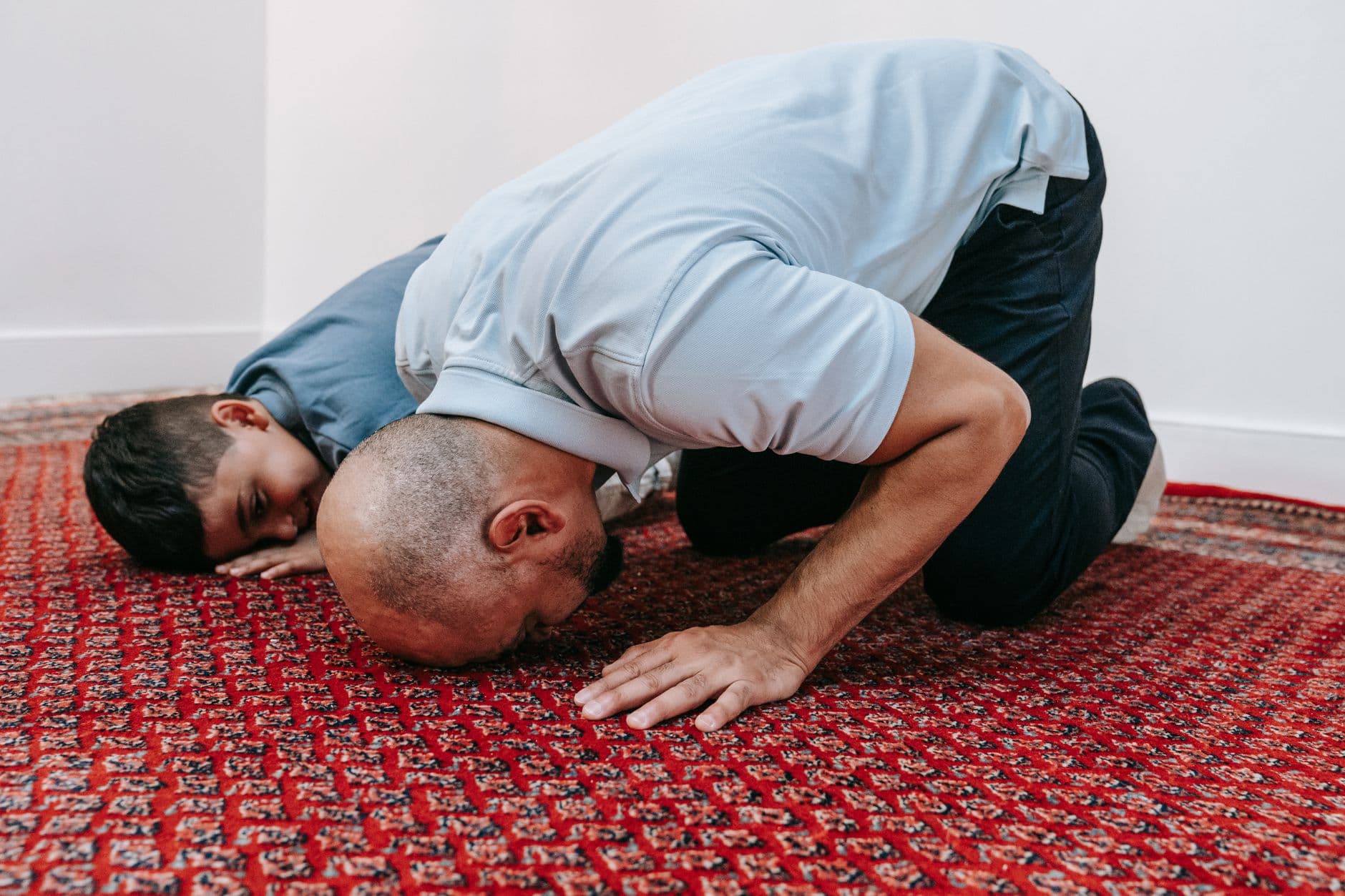
The Sacred Bond: Upholding the Rights of Parents in Islam
In the grand tapestry of Islamic teachings, the bond between children and parents is woven with threads of deep respect, profound gratitude, and immense responsibility. Islam elevates the status of parents to an unparalleled degree, placing their rights immediately after the right of Allah (SWT). This isn't merely a cultural norm but a fundamental principle enshrined in the Quran and elaborated upon by the Sunnah of Prophet Muhammad (peace be upon him). For every Muslim, understanding and fulfilling these rights is not just a moral obligation, but a spiritual journey towards attaining Allah's pleasure and blessings in this life and the Hereafter.
The Divine Command: Honoring Parents in the Quran
The Quran, the word of Allah, repeatedly emphasizes the paramount importance of treating parents with kindness and reverence. It's a theme that resonates across various surahs, highlighting the universal nature of this command.
One of the most explicit and powerful injunctions comes in Surah Al-Isra:
"And your Lord has decreed that you worship none but Him. And to parents, show goodness. If one of them or both of them reach old age with you, do not say to them, 'Uff,' and do not repel them but speak to them a noble word. And lower to them the wing of humility out of mercy and say, 'My Lord, have mercy upon them as they brought me up when I was small.'" (Quran 17:23-24)
This verse is a cornerstone of filial piety in Islam. It immediately follows the command to worship Allah alone, signaling the immense weight of parental rights. The prohibition against even saying "Uff" – a slight expression of annoyance – underscores the absolute gentleness and patience required. Instead, children are commanded to speak to them with honor, humility, and to supplicate for them, recognizing the immense sacrifices they made during childhood.
Another significant verse connects the rights of parents directly to the worship of Allah:
"Worship Allah and associate nothing with Him, and to parents do good, and to relatives, orphans, the needy, the near neighbor, the distant neighbor, the companion by your side, the traveler, and those whom your right hands possess. Indeed, Allah does not like those who are conceited and boastful." (Quran 4:36)
Here, birr al-walidayn (goodness to parents) is listed as the second most important deed after monotheism. This highlights that showing kindness to parents is an integral part of one's faith and a direct expression of gratitude to the Creator who instilled love and mercy in their hearts.
Surah Luqman further elaborates on the mother's arduous journey, particularly the pain and sacrifice of childbirth and upbringing:
"And We have enjoined upon man [care] for his parents. His mother carried him with hardship upon hardship, and his weaning is in two years. Be grateful to Me and to your parents; to Me is the [final] destination. But if they endeavor to make you associate with Me that of which you have no knowledge, do not obey them but accompany them in [this] world with appropriate kindness and follow the way of those who turn back to Me [in repentance]. Then to Me will be your return, and I will inform you about what you used used to do." (Quran 31:14-15)
This powerful verse not only emphasizes gratitude but also provides guidance on navigating challenging situations, such as when parents might encourage shirk (associating partners with Allah). Even in such a serious scenario, Islam commands continued good companionship and kindness, while drawing a clear line regarding obedience in matters that contravene Allah's commands. This demonstrates the balanced and just nature of Islamic teachings.
The Prophetic Paradigm: Guidance from the Sunnah
The teachings and life of Prophet Muhammad (PBUH) provide the practical framework for implementing the Quranic commands. His sayings (Hadith) and actions serve as a luminous guide for how to treat parents.
One of the most profound Hadith highlights the mother's elevated status:
Narrated Abu Huraira: A man came to Allah's Messenger (ﷺ) and said, "O Allah's Messenger (ﷺ)! Who is more entitled to be treated with the best companionship by me?" The Prophet (ﷺ) said, "Your mother." The man said, "Who is next?" The Prophet (ﷺ) said, "Your mother." The man further said, "Who is next?" The Prophet (ﷺ) said, "Your mother." The man asked for the fourth time, "Who is next?" The Prophet (ﷺ) said, "Your father." (Sahih Bukhari 5971, Sahih Muslim 2548a)
This Hadith unmistakably emphasizes the mother's unique position, acknowledging the immense pain, sleepless nights, and tireless nurturing she provides. It's a reminder for children to be especially mindful of their mother's feelings and needs.
The Prophet (PBUH) also clarified the hierarchy of good deeds, placing obedience to parents very high:
Narrated Abdullah bin Mas'ud: I asked the Prophet (ﷺ) 'Which deed is the dearest to Allah?' He replied, 'To offer the prayers at their fixed times.' I asked, 'What is next?' He replied, 'To be good and dutiful to your parents.' I asked, 'What is next?' He replied, 'To participate in Jihad in Allah's Cause.' " (Sahih Bukhari 527, Sahih Muslim 85)
This Hadith indicates that after observing the foundational pillar of Salah, good treatment of parents is among the most beloved actions to Allah, even preceding Jihad in its order of mention, underscoring its immense reward.
Conversely, disobedience to parents is considered a grave sin in Islam:
Narrated Anas bin Malik: The Prophet (ﷺ) said, "The greatest sins are: to join others in worship with Allah, to be undutiful to one's parents, to kill a person, and to give a false witness." (Sahih Bukhari 2654)
This categorization places `uquq al-walidayn (disobedience/undutifulness to parents) among the most severe transgressions, highlighting its detrimental impact on one's spiritual standing.
Practical Ways to Honor and Respect Your Parents
The beautiful teachings of Islam are not just theoretical; they demand practical application in our daily lives. Here are tangible ways to embody the spirit of birr al-walidayn:
1. Speak Gently and Respectfully
Avoid raising your voice, using harsh words, or interrupting them. Always address them with politeness and humility, even if you disagree. The Quranic injunction to "speak to them a noble word" (17:23) is a powerful reminder.
2. Listen Attentively
Show genuine interest in what they say, their advice, and their stories. Even if you've heard it before, listening patiently is a sign of respect and love.
3. Obey Them in Righteous Matters
Within the bounds of Islam, strive to fulfill their requests and wishes. If they ask you to do something that contradicts Islamic principles, politely excuse yourself, explain your stance respectfully, but never be harsh or abandon your kindness.
4. Provide for Their Needs
If your parents are elderly, ill, or in financial need, it becomes a collective responsibility of the children to ensure their comfort and well-being. This can include financial support, healthcare, or assisting with daily chores.
5. Make Du'a (Supplication) for Them
Continuously pray for your parents, both in their lives and after their passing. Ask Allah to grant them mercy, forgiveness, health, and a high place in Jannah. The Quran (17:24) instructs us: "My Lord, have mercy upon them as they brought me up when I was small."
6. Visit Them and Maintain Ties
Regularly check on them, visit them if possible, and maintain open lines of communication. In an age of busy schedules, making time for parents is a profound act of devotion.
7. Honor Their Friends and Relatives
After your parents' passing, or even during their lives, maintaining good relations with their friends, siblings, and relatives is a beautiful way to honor their memory and extend their legacy of love.
8. Be Patient and Forbearing
As parents age, they may face health challenges, memory issues, or changes in temperament. It is during these times that a child's patience, compassion, and understanding are most tested and most rewarded.
Addressing Challenges and Seeking Forgiveness
Life is not always straightforward, and relationships with parents can sometimes present unique challenges. It's important to remember that human beings are fallible, and parents, despite their love, are not perfect. Islam teaches us to navigate these complexities with wisdom and grace.
If disagreements arise, approach them with respect, calmness, and an unwavering commitment to kindness. Even if you feel wronged, retaliating with harshness is not the Islamic way. Seek to understand their perspective and find common ground.
For those who may have fallen short in their duties towards their parents, or have caused them pain, the door of repentance is always open. Sincerely seek Allah's forgiveness and strive to mend the relationship. If a parent has passed away, increase your supplications for them, give charity on their behalf, and fulfill their unfulfilled wishes (like Hajj or outstanding debts).
The Immense Rewards of Pleasing Parents
The blessings and rewards for those who treat their parents with goodness are abundant, both in this world and the next:
- Allah's Pleasure: The Prophet (PBUH) said: "The pleasure of the Lord is in the pleasure of the parent, and the wrath of the Lord is in the wrath of the parent." (At-Tirmidhi - though not Sahih Bukhari/Muslim, widely accepted and reflects general principles). This Hadith, though not from the strictest Sahih collections, captures the essence of how Allah views birr al-walidayn.
- Doors to Jannah: Treating parents well is considered a pathway to Paradise. It is among the deeds that earn Allah's greatest favor.
- Blessings in One's Own Life: Children who honor their parents often find blessings in their own lives, their wealth, and their progeny. It's a natural consequence of honoring Allah's command.
- Improved Relationship with Your Own Children: Just as you treat your parents, your children are likely to treat you. It's a cycle of respect and kindness that you model for future generations.
Conclusion
The command to honor and respect parents is a cornerstone of the Islamic faith, reflecting its emphasis on compassion, gratitude, and social harmony. It is a profound test of our faith and character, demanding patience, humility, and unwavering kindness. By striving to fulfill the rights of our parents, we not only please Allah (SWT) but also contribute to building a society founded on love, respect, and enduring familial bonds. May Allah enable us to be among those who are dutiful and kind to their parents, earning His mercy and blessings in this life and the Hereafter. Ameen.