The Profound Spiritual Significance and Benefits of Salah (Prayer) in Islam
In the bustling rhythm of modern life, finding moments of peace, reflection, and connection can feel like a rare luxury. Yet, for Muslims around the globe, five times a day, there is a dedicated practice designed precisely for this purpose: Salah, the ritual prayer. More than just a set of physical movements, Salah is a profound spiritual journey, a direct conversation with the Creator, and a cornerstone of Islamic faith that brings immense tranquility and countless benefits to a believer's life.
Salah is not merely an obligation; it is a gift, a lifeline that reconnects the soul to its origin, refreshing the spirit and grounding the individual amidst life's challenges. As Artificial Mufti, we aim to shed light on the deeper spiritual significance and the tangible benefits this beautiful act of worship offers, encouraging both new Muslims and lifelong practitioners to deepen their understanding and devotion.
What is Salah?
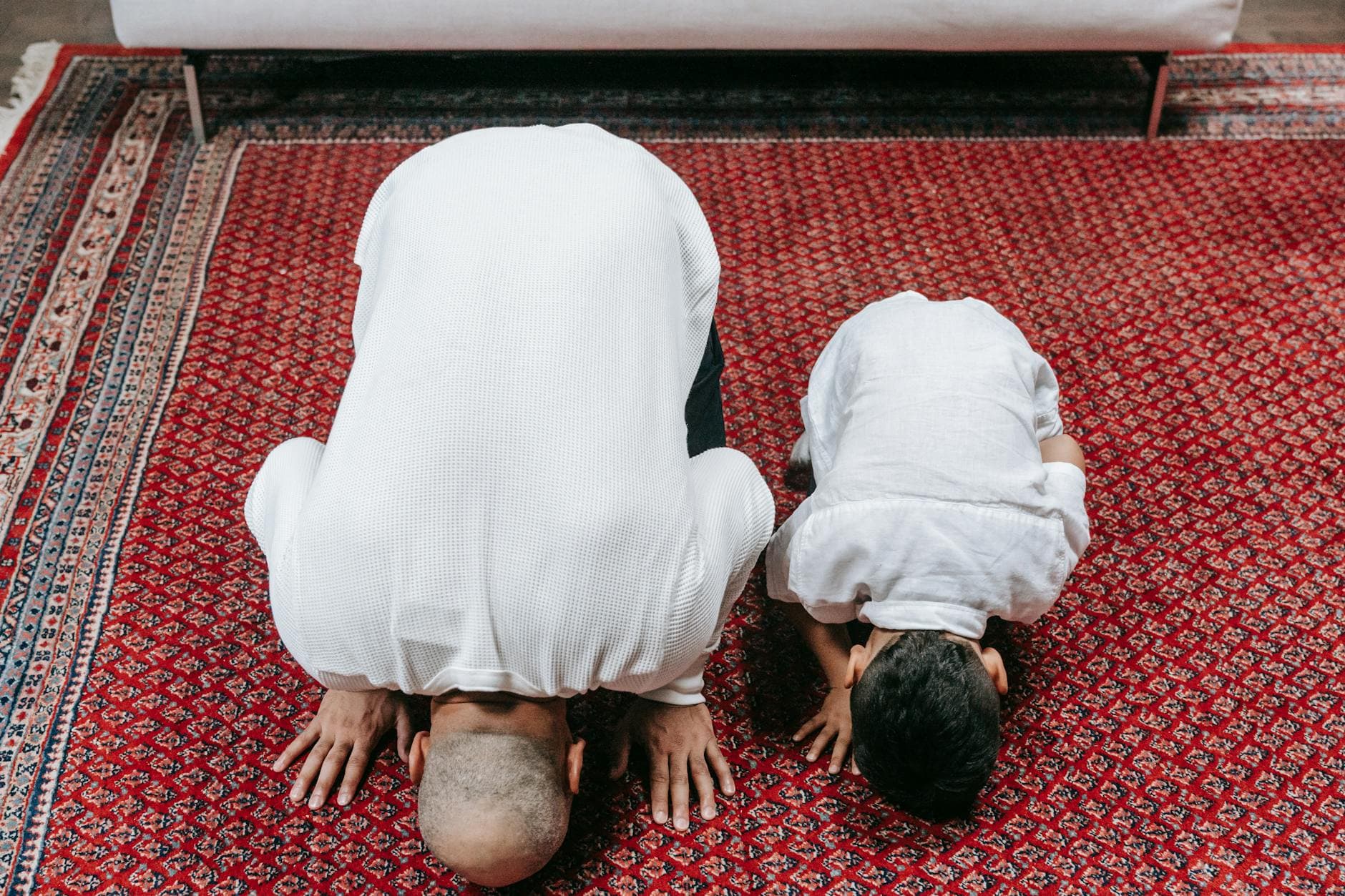
Salah, often translated as 'prayer,' is the second pillar of Islam, following the declaration of faith (Shahada). It is a prescribed act of worship performed five times a day, at specific intervals from dawn until nightfall. Each Salah consists of a series of postures – standing, bowing (rukūʿ), prostrating (sujūd), and sitting – accompanied by recitations from the Quran, glorifications of Allah, and supplications.
The word 'Salah' itself conveys meanings of connection, communication, and supplication. It is a systematic method of approaching Allah (SWT) with humility, gratitude, and devotion. It is a consistent reminder of our purpose, our Creator, and our ultimate return to Him.
The Divine Mandate and Spiritual Connection
The commandment to establish Salah is emphasized repeatedly throughout the Holy Quran, highlighting its paramount importance in a Muslim's life. Allah (SWT) states:
"Recite, [O Muhammad], what has been revealed to you of the Book and establish prayer. Indeed, prayer prohibits immorality and wrongdoing, and the remembrance of Allah is greater. And Allah knows that which you do." (Quran 29:45)
This verse beautifully encapsulates the dual purpose of Salah: it is a remembrance of Allah (dhikr) and a moral compass (nahy anil fahshā'i wal munkar). Through Salah, a believer enters into a direct, unmediated dialogue with their Lord, fostering an intimate spiritual connection that transcends worldly concerns. There are no intermediaries; it is a direct channel to divine mercy and guidance.
The Myriad Benefits of Salah
The benefits of consistently performing Salah are vast and encompass spiritual, mental, emotional, and even physical well-being. Let's delve into some of these profound advantages:
1. A Direct Link to Allah (SWT)
Salah is the ultimate form of 'dhikr' (remembrance of Allah). In a world full of distractions, Salah pulls us back to our Creator, reminding us of His infinite power, mercy, and our dependence on Him. This constant remembrance nurtures our faith and strengthens our spiritual resolve.
The Prophet Muhammad (peace be upon him) said: "The closest a servant comes to his Lord is when he is prostrating, so increase in supplication therein." (Sahih Muslim)
This Hadith highlights the immense spiritual proximity achieved during sujūd (prostration), where one humbles oneself completely before Allah, pouring out their heart in supplication.
2. Purification of the Soul and Sins
Salah acts as a spiritual cleansing agent, purifying the soul from sins and shortcomings. The five daily prayers are like five baths that wash away the dirt of our daily misdeeds.
The Prophet Muhammad (peace be upon him) said: "Tell me, if there were a river at the door of one of you and he were to take a bath in it five times a day, would any of his dirt remain?" They said, "No dirt would remain." He said, "That is the likeness of the five daily prayers; Allah wipes away sins thereby." (Sahih Bukhari, Sahih Muslim)
This powerful analogy illustrates how Salah, through repentance and remembrance, continuously purifies us, making us better individuals.
3. Discipline and Time Management
Performing Salah at its prescribed times instills a profound sense of discipline and structure in a Muslim's life. The calls to prayer (adhan) punctuate the day, encouraging punctuality and responsible time management. This discipline often spills over into other aspects of life, leading to greater productivity and organization.
4. Inner Peace and Stress Reduction
In an age of anxiety, Salah offers an unparalleled source of peace and tranquility. Stepping away from worldly worries to focus entirely on Allah provides a mental and emotional respite. The repetitive movements and recitations can be meditative, calming the mind and soothing the soul.
Allah (SWT) says: "Unquestionably, by the remembrance of Allah hearts are assured." (Quran 13:28)
Salah is the ultimate remembrance, providing a profound sense of assurance and inner calm.
5. Protection from Immorality and Wrongdoing
As mentioned in Quran 29:45, Salah serves as a deterrent against sin and evil. A person who regularly stands before Allah in prayer is constantly reminded of accountability, virtue, and piety. This spiritual consciousness fosters a moral compass that guides one away from forbidden acts and towards righteous deeds.
6. Physical Benefits
While primarily spiritual, Salah also offers gentle physical benefits. The various postures – standing, bowing, prostrating – promote flexibility, strengthen muscles, and improve blood circulation. The regulated breathing during prayer can also aid relaxation and concentration.
7. Unity and Community (Jama'ah)
Praying in congregation (jama'ah), particularly in a mosque, fosters a strong sense of community and brotherhood/sisterhood among Muslims. Standing shoulder to shoulder, rich or poor, black or white, ruler or ruled, all are equal before Allah. This unity transcends social barriers, promoting empathy, mutual respect, and collective strength.
The Prophet Muhammad (peace be upon him) said: "Prayer in congregation is twenty-seven times superior to prayer offered alone." (Sahih Bukhari, Sahih Muslim)
This Hadith underscores the immense reward and spiritual benefit of communal prayer.
8. Gratitude and Humility
Salah is an expression of ultimate gratitude to Allah for His countless blessings. Each prostration is an act of humility, acknowledging our subservience to the Almighty. This cultivation of gratitude and humility keeps arrogance at bay and fosters a sense of contentment and reliance on Allah.
Cultivating a Deeper Connection Through Salah
To truly reap the benefits of Salah, it is essential to focus on khushūʿ (devotion, humility, and concentration). It's not just about going through the motions but truly being present with Allah.
- Preparation: Ensure proper
wudhu(ablution) and dress modestly. Mentally prepare to leave worldly concerns behind. - Understanding: Strive to understand the meanings of the recitations, even if only basic translations. This deepens reflection.
- Slowing Down: Perform each movement and recitation with deliberation, not rushing.
- Reflect: Ponder the greatness of Allah and your position as His servant.
- Supplication: Make sincere
du'a(supplication) during and after Salah, especially in prostration, as these are moments of immense proximity to Allah.
Conclusion
Salah is far more than a ritual; it is the spiritual nourishment of the soul, the core of a Muslim's daily life, and a continuous opportunity for self-improvement and connection with the Divine. It is a source of unparalleled peace, discipline, purity, and strength. By embracing Salah with sincerity and devotion, we not only fulfill our duty to Allah but also unlock a treasure trove of benefits that enrich every aspect of our existence in this life and the Hereafter.
May Allah (SWT) make us among those who establish Salah consistently and with true khushūʿ, and may He accept our prayers. Ameen.