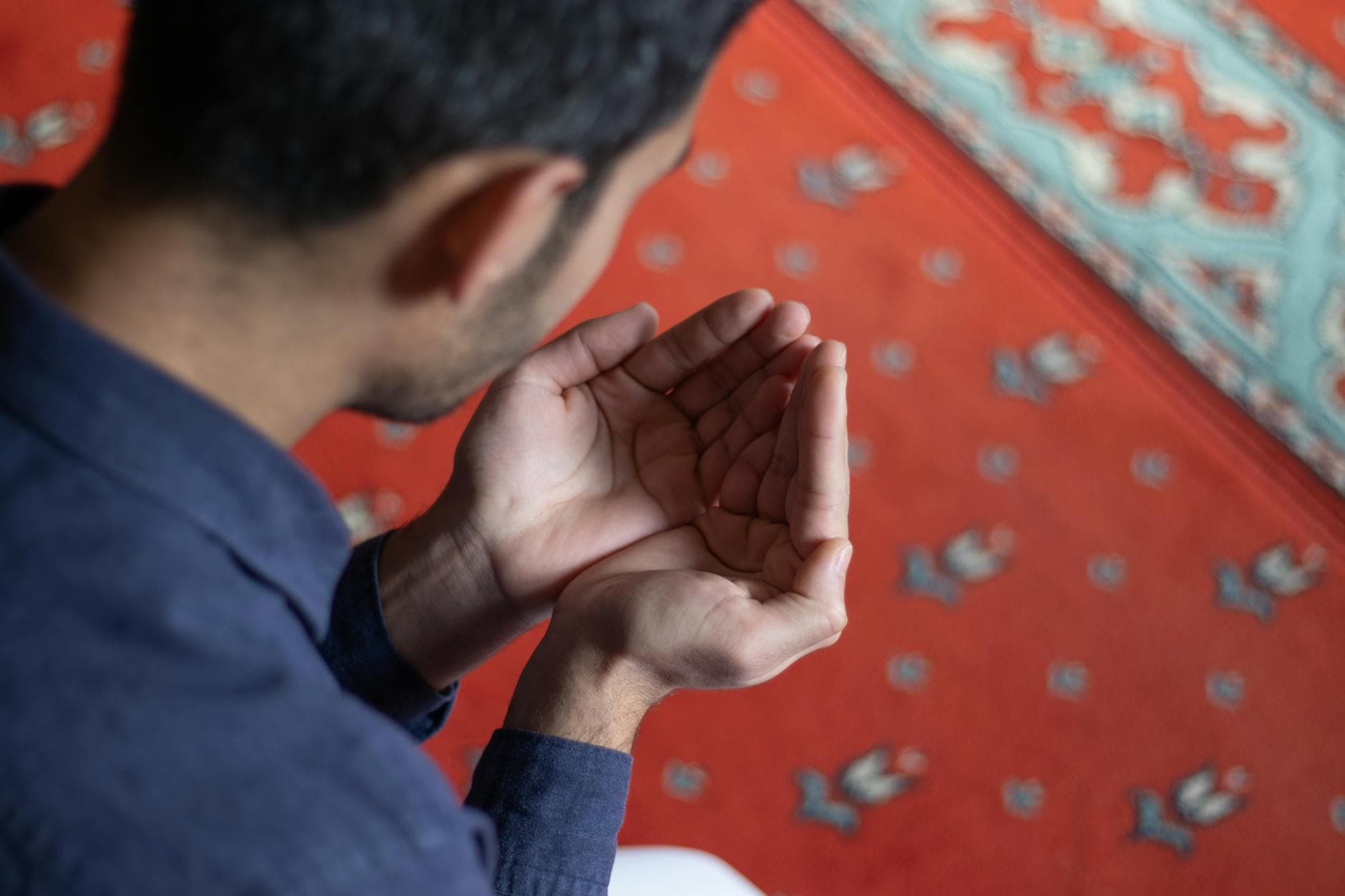
The Profound Power of Shukr: Embracing Gratitude in Islam for a Fulfilled Life
In a world often characterized by constant striving, material pursuits, and a relentless focus on what we lack, the beautiful Islamic concept of Shukr – gratitude – emerges as a powerful antidote. Shukr is far more than a fleeting feeling of thankfulness; it is a profound state of being, an active form of worship, and a foundational pillar of a believer's connection with Allah (SWT). It teaches us to recognize, appreciate, and respond to the countless blessings bestowed upon us by our Creator, transforming our perspectives and enriching our lives in unimaginable ways.
For both new Muslims seeking to deepen their understanding of their faith and practicing Muslims looking to rekindle their spiritual zest, cultivating Shukr is an essential journey. It shifts our focus from scarcity to abundance, from complaint to contentment, and from self-centeredness to devotion to Allah (SWT).
Understanding Shukr: More Than Just Saying 'Thank You'
At its core, Shukr (gratitude) in Islam encompasses three interconnected dimensions:
- Gratitude of the Heart (Shukr al-Qalb): This is the internal recognition and acknowledgment that all blessings, big or small, originate from Allah (SWT) alone. It's the profound realization that we are utterly dependent on Him for everything we possess and experience.
- Gratitude of the Tongue (Shukr al-Lisan): This involves verbally expressing thanks to Allah (SWT). The most common and beloved expression is "Alhamdulillah" (All praise and thanks are due to Allah). It also includes praising Him, remembering Him through Dhikr, and speaking good words about His favors.
- Gratitude of the Limbs (Shukr al-Jawareh): This is the practical manifestation of gratitude. It means utilizing the blessings Allah (SWT) has given us – our health, wealth, intellect, time, and abilities – in ways that are pleasing to Him. For instance, using one's health to pray, one's wealth to give charity, or one's knowledge to teach others.
When these three dimensions converge, a Muslim truly embodies Shukr, fulfilling a fundamental aspect of their servitude to Allah (SWT).
The Divine Command: Allah's Emphasis on Gratitude
The Glorious Quran repeatedly emphasizes the importance of gratitude, presenting it as a beloved quality and a direct command from Allah (SWT). It is a quality that distinguishes believers and is inextricably linked to faith itself.
Allah (SWT) says in the Quran:
"Therefore remember Me, I will remember you, and be grateful to Me and do not deny Me." (Quran, Al-Baqarah 2:152)
This verse beautifully connects remembrance (Dhikr), gratitude (Shukr), and avoiding ingratitude (Kufr al-Ni'mah). It shows that when we remember Allah, He remembers us, and when we are grateful, we affirm our faith and strengthen our bond with Him.
Another powerful verse reminds us of the immeasurable nature of Allah's blessings:
"And if you should count the favors of Allah, you could not enumerate them. Indeed, Allah is Forgiving and Merciful." (Quran, An-Nahl 16:18)
This verse encourages deep reflection. It makes us ponder the countless visible and invisible blessings in our lives – from the air we breathe and the beating of our hearts to the guidance of Islam and the love of our families. Realizing that we can never fully count or repay these favors should humble us and fill our hearts with continuous Shukr.
Allah (SWT) also makes it clear that gratitude is a means to attain His pleasure:
"If you are grateful, He approves it for you." (Quran, Az-Zumar 39:7)
This divine promise alone should motivate every believer to strive for gratitude, knowing that it leads to the ultimate success and contentment.
The Perfect Example: The Prophet Muhammad (PBUH) and Shukr
The Prophet Muhammad (peace be upon him) was the epitome of gratitude. His life, teachings, and actions serve as the ultimate guide for embodying Shukr. Even as the most beloved of Allah's creation, with his sins forgiven and paradise guaranteed, he never ceased to be grateful.
A'isha (RA) narrated that the Prophet (PBUH) used to stand (in prayer) so long that his feet used to swell. I said, "O Allah's Apostle! Why do you do so much while Allah has forgiven you all your past and future sins?" He said, "Should I not be a grateful servant (to Allah)?" (Sahih Bukhari and Sahih Muslim)
This profound Hadith reveals the depth of the Prophet's (PBUH) gratitude. For him, the immense blessings and mercy of Allah were not a license for complacency but a greater impetus for worship and thankfulness. His gratitude transcended mere words; it was manifested in his consistent and arduous acts of devotion.
His example teaches us that true gratitude is active, enduring, and stems from a deep awareness of Allah's bounties, regardless of one's circumstances. He taught his companions, and by extension, all Muslims, to thank Allah (SWT) at all times and for all conditions.
Practical Ways to Cultivate Daily Gratitude
Cultivating Shukr is a continuous process that requires conscious effort and consistent practice. Here are practical steps to integrate gratitude into your daily life:
1. Daily Dhikr (Remembrance of Allah)
Make a habit of reciting Alhamdulillah frequently. After eating, after completing a task, upon waking up, before sleeping – let Alhamdulillah be a constant on your tongue. The Prophet (PBUH) taught us specific Dhikr for various occasions, many of which express gratitude.
2. Ponder and Reflect on Blessings
Set aside time each day for quiet contemplation. Think about the obvious blessings – health, family, home, food, safety, and the gift of Islam itself. But also look for the less obvious ones: a beautiful sky, a kind word from a stranger, the ability to read, the mere fact of existing. The more you reflect, the more you will find to be grateful for.
3. Look at Those Less Fortunate
The Prophet Muhammad (PBUH) advised:
"Look at those who are beneath you, and do not look at those who are above you, for it is more suitable that you should not consider Allah's blessing to be insignificant." (Sahih Muslim)
This Hadith is a powerful reminder. When we observe the struggles of others, it helps us appreciate the countless blessings we often take for granted. This perspective cultivates humility and profound gratitude.
4. Perform Sujud ash-Shukr (Prostration of Gratitude)
When you receive particularly good news, achieve a significant goal, or overcome a great challenge, consider performing a single prostration of gratitude (Sujud ash-Shukr) to Allah (SWT). This is a beautiful, tangible way to express immediate thanks.
5. Use Blessings in Obedience to Allah
This is the Shukr of the limbs. If Allah has blessed you with wealth, use some of it for charity (Sadaqah) or to help those in need. If He has given you knowledge, share it with others. If you have good health, use it to stand in prayer, fast, or engage in physical acts of worship and service. By utilizing Allah's gifts in ways that please Him, you magnify your gratitude.
6. Express Gratitude to People
While ultimate gratitude is for Allah (SWT), Islam also teaches us to appreciate and thank those who have been a means of good for us. The Prophet (PBUH) said:
"He who does not thank the people, does not thank Allah." (Sunan Abi Dawud)
Expressing gratitude to others strengthens social bonds and reflects the thankful spirit a Muslim should possess.
7. Practice Patience with Gratitude During Trials
True Shukr is not limited to times of ease. A believer is grateful even during adversity, understanding that trials are a means of purification, growth, and drawing closer to Allah (SWT). The Prophet (PBUH) said:
"How wonderful is the case of a believer; there is good for him in everything, and this is not the case with anyone except a believer. If prosperity comes to him, he expresses gratitude to Allah, and that is good for him; and if adversity befalls him, he endures it patiently, and that is also good for him." (Sahih Muslim)
This Hadith encapsulates the holistic nature of a believer's attitude – gratitude in good times, patience in bad, both leading to goodness.
The Unfolding Rewards of Shukr
Embracing Shukr brings forth a cascade of blessings and benefits, both in this life and the Hereafter:
-
Increase in Blessings: Allah (SWT) explicitly promises an increase for the grateful:
"If you are grateful, I will surely increase you [in favor]; but if you deny, indeed, My punishment is severe." (Quran, Ibrahim 14:7) This is a divine guarantee. Gratitude attracts more blessings.
-
Allah's Pleasure and Love: As mentioned, gratitude earns Allah's approval. When Allah is pleased with a servant, it opens doors to unimaginable mercy and blessings.
-
Inner Peace and Contentment: A grateful heart is a contented heart. By focusing on what you have rather than what you lack, you free yourself from the anxieties of consumerism and comparison, finding peace in Allah's decree.
-
Resilience During Hardship: When gratitude is deeply ingrained, it helps believers navigate trials with a positive outlook. They see difficulties not as punishments but as opportunities for growth, drawing closer to Allah, and earning rewards for patience.
-
Stronger Connection with Allah: Gratitude fosters a deeper awareness of Allah's presence in your life. It turns every blessing into a reminder of His love and care, strengthening your Tawhid (Oneness of Allah) and your spiritual connection.
-
Purification of the Soul: Gratitude purifies the heart from diseases like envy, greed, and discontentment. It fosters humility and generosity, leading to a healthier spiritual state.
The Dangers of Ingratitude (Kufr al-Ni'mah)
Just as gratitude brings immense rewards, its opposite – ingratitude, or Kufr al-Ni'mah (denial of blessings) – carries severe warnings in Islam. Denying Allah's blessings, complaining excessively, or misusing His favors can lead to their removal and divine displeasure.
Allah (SWT) says:
"And Allah presents an example: a city that was safe and secure, its provision coming to it in abundance from every location, but it denied the favors of Allah. So Allah made it taste the garment of hunger and fear because of what they used to do." (Quran, An-Nahl 16:112)
This verse is a sobering reminder that blessings are a trust, and ingratitude can lead to their withdrawal and replacement with hardship. It's not just about verbal denial, but also about misusing resources, not fulfilling duties, and having a complaining spirit despite abundant favors.
Conclusion: A Lifestyle of Shukr
Shukr is not merely an act but a way of life, a lens through which a Muslim views the world. It transforms ordinary moments into opportunities for worship and every challenge into a chance for growth and deeper reliance on Allah (SWT).
By consciously embracing gratitude – through the sincere acknowledgment of the heart, the verbal praise of the tongue, and the righteous actions of the limbs – we align ourselves with the divine will. We attract more blessings, attain inner peace, strengthen our faith, and ultimately, draw closer to our Merciful Creator.
May Allah (SWT) make us among His grateful servants, those who constantly remember Him and live lives filled with His profound blessings. Ameen.