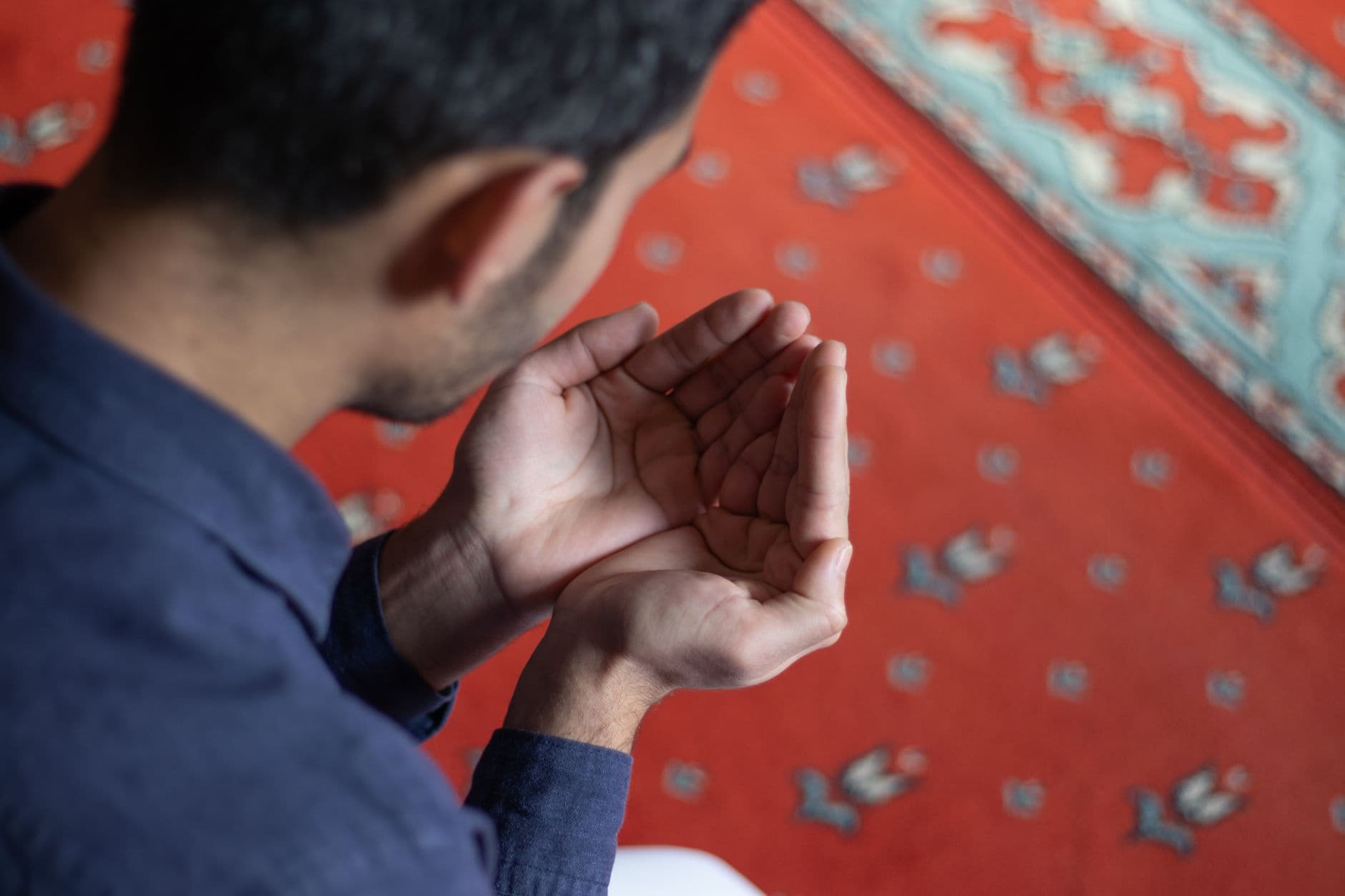
The Profound Power of Gratitude (Shukr) in Islam: A Path to Inner Peace and Divine Blessings
In the tapestry of Islamic teachings, few concepts are woven with as much emphasis and beauty as Shukr, or gratitude. More than just a fleeting emotion, Shukr is a profound state of being, a cornerstone of faith, and a direct path to experiencing Allah's boundless blessings and inner tranquility. It's an active acknowledgement of every mercy, every provision, and every moment of ease in our lives, recognizing its ultimate source as the Divine.
At its heart, Shukr is a declaration of our dependence on Allah (SWT) and an affirmation of His infinite generosity. It’s about cultivating an eye that sees blessings even amidst challenges, a tongue that praises Him continuously, and a heart that remains ever thankful. As Muslims, we are constantly reminded in the Quran and Sunnah to embody this beautiful attribute, for it is through gratitude that our connection with our Creator deepens, and our lives are imbued with profound meaning and contentment.
The Divine Command to Be Grateful: Insights from the Quran
The Glorious Quran repeatedly calls upon humanity to be grateful to Allah, highlighting it as a distinguishing characteristic of true believers and a catalyst for divine increase. Allah (SWT) assures us that gratitude is not only pleasing to Him but also beneficial for us, individually and collectively.
One of the most powerful verses emphasizing the reward for gratitude is:
"And [remember] when your Lord proclaimed, 'If you are grateful, I will surely increase you [in favor]; but if you deny, indeed, My punishment is severe.'" (Quran 14:7)
This verse serves as both a promise and a warning. It unequivocally states that gratitude is the key to an abundance of blessings, while ingratitude can lead to severe consequences. It encourages us to reflect deeply on the countless favors we enjoy daily and acknowledge the Benefactor.
Allah also reminds us of our innate state of helplessness at birth, and how He bestowed upon us the very faculties required to perceive and appreciate His creation:
"And Allah brought you out from the wombs of your mothers while you knew nothing, and He made for you hearing and sight and hearts that perhaps you would be grateful." (Quran 16:78)
This verse is a poignant reminder of our initial state and the incredible gifts of hearing, sight, and intellect that enable us to navigate the world, learn, and worship. These are fundamental blessings that often go unnoticed but are essential for our existence and interaction with the world. Recognizing them as gifts from Allah naturally cultivates a spirit of thankfulness.
Furthermore, Allah (SWT) connects remembrance (Dhikr) with gratitude, establishing them as inseparable acts of worship:
"So remember Me; I will remember you. And be grateful to Me and do not deny Me." (Quran 2:152)
To remember Allah is to acknowledge His presence, His power, and His blessings. This remembrance naturally leads to gratitude. Conversely, ingratitude is seen as a denial of His favors, a perilous path that takes one away from the Divine.
The Prophetic Example: A Paragon of Shukr
The life of Prophet Muhammad (peace be upon him) was a living embodiment of Shukr. Despite facing immense hardships, personal losses, and relentless persecution, his heart and tongue remained ever thankful to Allah. His actions and words serve as the ultimate guide for us in cultivating genuine gratitude.
One striking example of his profound gratitude is narrated in Hadith:
Aisha (may Allah be pleased with her) reported: "The Prophet (peace be upon him) used to stand in prayer during the nights until his feet became swollen. I said to him, 'O Messenger of Allah, why do you do this, while Allah has forgiven you all your past and future sins?' He said, 'Should I not be a grateful servant?'" (Sahih Bukhari, Hadith 4837; Sahih Muslim, Hadith 2820)
This Hadith reveals the depth of the Prophet’s gratitude. Even after receiving the assurance of forgiveness, he continued to exert himself in worship, viewing it not as a burden but as an expression of profound thankfulness for Allah's immense favor. This teaches us that gratitude is not merely a response to blessings but a continuous state of humility and devotion.
Another beautiful teaching from the Prophet (PBUH) encourages us to look at those less fortunate, which inherently fosters gratitude for our own circumstances:
Abu Huraira reported: The Messenger of Allah (peace be upon him) said, "Look at those who are beneath you, and do not look at those who are above you, for it is more suitable that you should not show ingratitude for Allah’s favor bestowed upon you." (Sahih Muslim, Hadith 2963)
This Hadith provides a practical method for cultivating gratitude by shifting our perspective. By recognizing the struggles of others, we become more appreciative of our own blessings, no matter how small they may seem.
The Prophet (PBUH) also taught us specific supplications (dua) to aid in cultivating gratitude. One powerful dua is:
"O Allah, help me to remember You, to thank You, and to worship You in the best manner." (Sunan Abu Dawud, Hadith 1522; Sunan An-Nasai, Hadith 1303)
This concise dua encapsulates the essence of true servitude: remembrance, gratitude, and excellent worship, all intertwined.
Dimensions of Shukr: More Than Just Words
Gratitude in Islam is not confined to mere verbal expressions. It encompasses three essential dimensions:
-
Gratitude of the Heart (Qalb): This is the internal acknowledgement and realization that all blessings, big or small, originate from Allah (SWT). It involves recognizing His benevolence, wisdom, and power in every aspect of our lives. This heartfelt recognition forms the foundation of all other forms of gratitude.
-
Gratitude of the Tongue (Lisan): This is the verbal expression of thanks. It includes frequent recitation of Alhamdulillah (All praise and thanks are due to Allah), praising Allah, making dua, and sharing His blessings with others in conversation. This vocalization reinforces the internal gratitude and makes it manifest.
-
Gratitude of the Limbs (Jawarih): This is the practical manifestation of gratitude through actions. It involves using Allah's blessings in ways that are pleasing to Him and in obedience to His commands. For example, using health to pray and strive in His path, using wealth to give charity, using knowledge to guide others, and using strength to help the weak. When we utilize the gifts Allah has given us for good, we are actively expressing our Shukr.
These three dimensions are interconnected and collectively form comprehensive Shukr. True gratitude means aligning our heart, tongue, and actions with thankfulness.
The Transformative Power of Gratitude in Daily Life
Integrating Shukr into our daily lives can transform our perspective, mitigate stress, and deepen our faith. Here are practical ways to cultivate a grateful heart:
- Start and End Your Day with Thanks: Begin your day by reflecting on the blessing of waking up, of another day of life. End it by enumerating the blessings you experienced, no matter how small. Recite Alhamdulillah consciously throughout the day.
- Regular Dhikr: Engage in consistent remembrance of Allah through various forms of Dhikr. Phrases like Subhanallah (Glory be to Allah), Alhamdulillah (All praise and thanks are due to Allah), Allahu Akbar (Allah is the Greatest) elevate our consciousness of His presence and favors.
- Reflect on the 'Unseen' Blessings: Beyond the obvious, reflect on the silent blessings: the air we breathe, the functioning of our organs, the safety of our homes, the love of family, the guidance of Islam. These are profound gifts often taken for granted.
- Give Charity (Sadaqah): Sharing our wealth with those less fortunate is a powerful form of practical gratitude. It acknowledges that our wealth is a trust from Allah and using it for His sake is a testament to our thankfulness.
- Help Others: Use your skills, time, and strength to assist those in need. This is a way of showing gratitude for your own abilities and resources by employing them in service to Allah's creation.
- Perform Salah with Khushu' (Concentration): Prayer is the ultimate act of worship and gratitude. Approaching Salah with focus and humility, appreciating the opportunity to stand before Allah, enhances our sense of thankfulness.
- Keep a Gratitude Journal: Writing down specific blessings each day can make us more aware of Allah's continuous favors and help shift our focus from what we lack to what we have.
Shukr in Times of Trial and Tribulation
One of the most challenging yet profound aspects of gratitude is to maintain it during times of hardship, loss, or adversity. Islam teaches us that even trials can be a source of blessings, a means of purification, and an opportunity for spiritual growth. A grateful person understands that Allah's plan is perfect, even if His wisdom is not always immediately apparent to us.
"No disaster strikes except by permission of Allah. And whoever believes in Allah – He will guide his heart. And Allah is Knowing of all things." (Quran 64:11)
This verse reminds us that everything occurs by Allah's decree. A believer, even amidst calamity, finds solace in Allah's wisdom and justice. Gratitude in hardship means:
- Acknowledging Allah's Wisdom: Believing that even in what seems bad, there might be immense good and a hidden blessing.
- Being Grateful for Remaining Blessings: When facing a loss, being grateful for what one still possesses – health, family, faith – can alleviate despair.
- Seeing Trials as Purification: Understanding that trials can cleanse sins and elevate one's status in the sight of Allah, making them a mercy in disguise.
- Patience (Sabr) is a Form of Gratitude: Enduring hardships with patience is a testament to one's faith and trust in Allah, which is a high form of gratitude.
Benefits of Cultivating a Grateful Heart
The rewards of cultivating gratitude are immense and encompass both this life and the Hereafter:
- Increase in Blessings (Barakah): As promised in Quran 14:7, gratitude leads to an increase in favors from Allah.
- Inner Peace and Contentment: A grateful heart finds satisfaction in Allah's decree, reducing anxiety and fostering inner tranquility.
- Stronger Connection with Allah: Constant gratitude strengthens one's bond with the Creator, leading to a deeper sense of faith and trust.
- Protection from Punishment: The Quran indicates that Allah does not punish a grateful and believing servant.
- Spiritual Elevation: Shukr is a high spiritual station, elevating the believer in the eyes of Allah and bringing them closer to His mercy.
- Positive Outlook: Gratitude shifts one's perspective from scarcity to abundance, fostering optimism and resilience.
Conclusion
Gratitude (Shukr) is not merely a virtue; it is an active, transformative principle in Islam that profoundly impacts every aspect of a believer's life. From the verses of the Quran to the exemplary life of Prophet Muhammad (PBUH), the message is clear: a grateful heart is a blessed heart, a key to unlocking divine favors, enduring hardships, and finding profound inner peace.
Let us strive to embody Shukr in its fullest sense – with our hearts, tongues, and actions – making it a continuous state of being. By doing so, we not only fulfill a fundamental aspect of our faith but also embark on a journey towards a more contented, blessed, and spiritually enriched existence, drawing closer to Allah with every breath of thanks. May Allah (SWT) make us among His truly grateful servants. Amin.