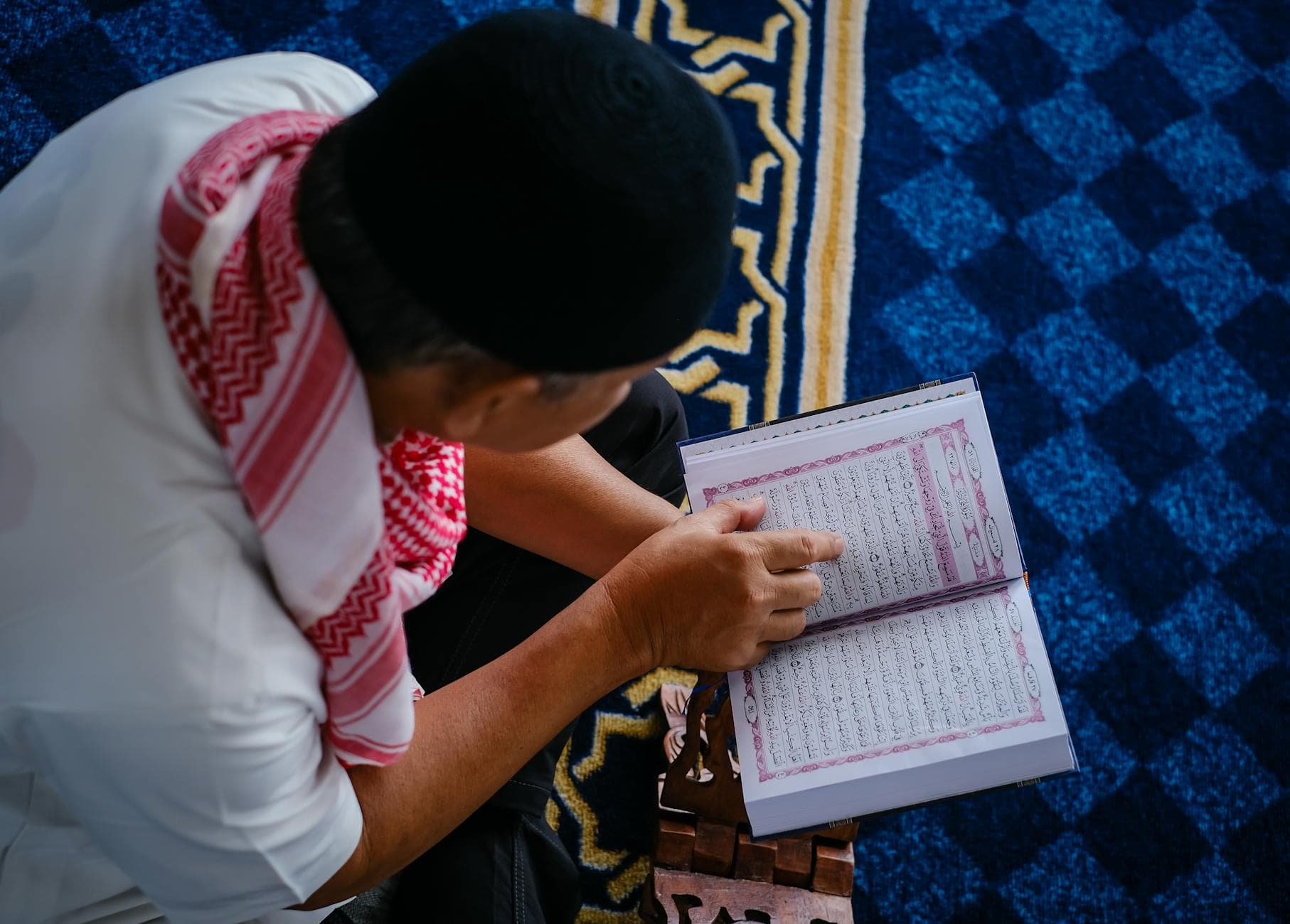
The Profound Power of Dhikr: Remembering Allah in Every Moment
In the journey of life, amidst its hustle and bustle, its joys and sorrows, Muslims are constantly called to find solace and strength in their Creator. This profound connection is primarily fostered through Dhikr (ذِكْر), the remembrance of Allah (SWT). Dhikr is not merely a verbal repetition; it's a state of consciousness, a spiritual exercise that keeps the heart alive, connecting it perpetually to its Source. It's a cornerstone of Islamic practice, a spiritual lifeline for every believer.
What is Dhikr?
Dhikr, literally meaning 'remembrance' or 'mention', encompasses any act or word that brings Allah to mind. This includes reciting the Quran, contemplating Allah's creation, supplicating (Du'a), seeking forgiveness (Istighfar), sending blessings upon the Prophet Muhammad (peace be upon him), and uttering phrases glorifying Allah, such as Subhanallah (Glory be to Allah), Alhamdulillah (All praise is due to Allah), Allahu Akbar (Allah is the Greatest), and La ilaha illallah (There is no god but Allah).
More than just verbal articulation, true Dhikr involves the presence of the heart and mind, a conscious awareness of Allah's Majesty, Oneness, and continuous presence in our lives. It's an internal conversation, a constant reflection that permeates every aspect of existence.
The Quranic Imperative to Remember Allah
The Glorious Quran repeatedly emphasizes the paramount importance of Dhikr, portraying it as the very essence of a believer's life and the key to inner peace and success. Allah (SWT) says:
"O you who have believed, remember Allah with much remembrance. And exalt Him morning and afternoon." (Quran 33:41-42)
This verse is a direct command, urging believers to engage in abundant remembrance, not just occasionally, but consistently throughout the day. It highlights that Dhikr is not an optional extra but a fundamental pillar of spiritual strength.
Another poignant verse underscores the solace found in Dhikr:
"Those who have believed and whose hearts are assured by the remembrance of Allah. Unquestionably, by the remembrance of Allah hearts are assured." (Quran 13:28)
In a world filled with anxiety and uncertainty, this verse offers a timeless remedy. It assures us that true tranquility and peace of heart are found only in remembering Allah, recognizing His power, wisdom, and mercy. When our hearts are filled with His remembrance, worldly worries diminish, and a profound sense of serenity takes over.
Dhikr in the Sunnah of the Prophet Muhammad (PBUH)
The life of Prophet Muhammad (PBUH) was a living embodiment of continuous Dhikr. He constantly remembered Allah in every situation, providing us with a beautiful blueprint for integrating Dhikr into our daily routines. His sayings and actions (Sunnah) teach us the diverse forms and immense virtues of Dhikr.
Jabir (RA) reported that the Prophet (PBUH) said:
"The best Dhikr is La ilaha illallah (There is no god but Allah), and the best supplication is Al-hamdu lillah (All praise is due to Allah)." (Sunan At-Tirmidhi, Graded Sahih by Al-Albani)
This Hadith emphasizes the superiority of Tawhid (Oneness of Allah) as the highest form of remembrance. The phrase La ilaha illallah encapsulates the core of Islamic belief and purifies the heart from all forms of polytheism.
Furthermore, the Prophet (PBUH) highlighted the immense rewards for those who engage in Dhikr:
Abu Huraira reported: The Messenger of Allah (PBUH) said, "Allah the Exalted says: 'I am as My servant expects Me to be, and I am with him when he remembers Me. If he remembers Me in his heart, I remember him in My heart. If he remembers Me in a gathering, I remember him in a gathering better than his. If he draws near to Me by a hand’s span, I draw near to him by an arm’s length. If he draws near to Me by an arm’s length, I draw near to him by a fathom. If he comes to Me walking, I go to him at speed.'" (Sahih Bukhari 7405, Sahih Muslim 2675)
This beautiful Hadith reveals Allah's incredible closeness to His servants who remember Him, promising an even greater response from Him. It inspires us to initiate the connection, knowing that Allah's love and mercy far surpass our efforts.
Types of Dhikr
Dhikr is not limited to specific phrases; it's a comprehensive spiritual practice:
- Verbal Dhikr (Dhikr Lisaani): This is the most common form, involving the recitation of specific phrases, Quranic verses, or Du'as. Examples include Tasbih (Subhanallah), Tahmid (Alhamdulillah), Takbir (Allahu Akbar), Tahlil (La ilaha illallah), and Istighfar (Astaghfirullah).
- Dhikr of the Heart (Dhikr Qalbi): This involves continuous contemplation of Allah's attributes, His greatness, His creation, and His blessings. It's a state of inner awareness and reflection that keeps the heart mindful of Allah even during daily activities.
- Dhikr of the Limbs (Dhikr Jawarih): Every act of worship performed with sincerity and consciousness of Allah is a form of Dhikr. Salah (prayer), Sawm (fasting), Zakat (charity), and Hajj (pilgrimage) are all physical manifestations of remembering Allah through obedience to His commands.
- Dhikr by Action: This extends beyond formal worship to include all righteous deeds performed with the intention of pleasing Allah. Helping others, being kind to parents, upholding justice, and earning a halal living are all acts of remembrance when done for Allah's sake.
Benefits of Dhikr in Daily Life
The consistent practice of Dhikr yields immense spiritual, psychological, and even physical benefits:
1. Spiritual Illumination and Growth
Dhikr polishes the heart, removing the rust of heedlessness and sin. It strengthens faith (Iman), increases our love for Allah, and deepens our connection to Him. Just as a plant needs water to grow, the soul needs Dhikr to thrive.
2. Inner Peace and Tranquility
As affirmed in the Quran (13:28), Dhikr brings unparalleled peace to the heart. In moments of stress, anxiety, or sadness, turning to Allah through remembrance provides a profound sense of calm and perspective, reminding us that Allah is in control.
3. Protection from Shaytan (Satan)
Shaytan constantly tries to distract believers and lead them astray. Dhikr acts as a spiritual shield, driving away evil whispers and strengthening our resolve against temptations. A heart engaged in Dhikr leaves little room for Shaytan's influence.
4. Forgiveness of Sins
Many forms of Dhikr, particularly Istighfar (seeking forgiveness), are potent means of expiating sins. The Prophet (PBUH) said:
"Whoever says, 'Subhanallahi wa bihamdihi,' one hundred times a day, will have his sins forgiven, even if they are like the foam of the sea." (Sahih Bukhari 6405, Sahih Muslim 2691)
5. Higher Ranks in Jannah (Paradise)
Those who remember Allah frequently are promised great rewards in the Hereafter. Dhikr is among the most beloved deeds to Allah and secures a high status for the believer in Jannah.
6. Resilience and Patience
When faced with trials and tribulations, Dhikr provides strength and patience. Remembering Allah's wisdom and justice helps us to endure hardships with submission and hope, knowing that every challenge is an opportunity for spiritual growth.
7. Awareness of Allah's Presence (Ihsan)
Regular Dhikr cultivates a deeper sense of Ihsan – knowing that Allah sees us, even if we cannot see Him. This awareness enhances our sincerity in worship and encourages us to embody excellent character in all our dealings.
Integrating Dhikr into Your Daily Life
Making Dhikr a regular part of your day is simpler than you might think. It doesn't require setting aside hours, but rather integrating small, consistent acts of remembrance into your routine.
- Morning and Evening Adhkar: Dedicate a few minutes after Fajr and before Maghrib to recite the specific morning and evening supplications taught by the Prophet (PBUH). These provide spiritual protection and blessings for the day and night.
- During Chores: While cooking, cleaning, or commuting, let your tongue be busy with Tasbih, Tahmid, Tahlil, and Takbir. These are moments often spent in heedlessness that can be transformed into acts of worship.
- Waiting Times: Instead of passively waiting, utilize queues, traffic jams, or waiting rooms to engage in quiet Dhikr. A small prayer beads (Tasbih) or simply counting on your fingers can be helpful.
- Before and After Actions: Follow the Sunnah by reciting specific Du'as before eating, drinking, sleeping, entering/leaving the house, and after these actions. This ensures Allah's blessing and remembrance permeates even the mundane.
- Contemplation: Take moments throughout the day to reflect on Allah's creation – the sky, the trees, the intricate design of your own body. This form of reflective Dhikr deepens appreciation and awe for the Creator.
- With Quran: Make it a habit to recite a portion of the Quran daily, even if it's just a few verses. The Quran itself is the ultimate Dhikr.
- Sending Salawat: Constantly send blessings upon the Prophet (PBUH) by saying Allahumma Salli ala Muhammad (O Allah, send blessings upon Muhammad). This is a beloved act that earns immense rewards.
Overcoming Challenges in Sustaining Dhikr
It's natural to face challenges like forgetfulness, distractions, or a lack of motivation. Here are some tips to overcome them:
- Consistency over Quantity: Start small but be consistent. A few minutes of sincere Dhikr daily is better than an hour once a week.
- Set Reminders: Use sticky notes, phone alarms, or a Dhikr counter app to prompt you.
- Find a Dhikr Buddy: Encourage each other in remembrance, or join a local study circle that focuses on Dhikr.
- Understand the Meaning: Learn the meanings of the phrases you recite. This deepens sincerity and engagement of the heart.
- Vary Your Dhikr: Don't stick to just one phrase; rotate between different forms to keep it fresh and engaging.
- Seek Forgiveness (Istighfar): If you find yourself struggling, seek Allah's forgiveness for your heedlessness. This opens the door to renewed spiritual energy.
Dhikr and Tazkiyah (Purification of the Soul)
Dhikr is inextricably linked to Tazkiyah, the purification and growth of the soul. Just as physical cleanliness is vital for the body, spiritual cleanliness is crucial for the heart. Dhikr cleanses the heart of negativity, pride, envy, and other spiritual ailments. It nurtures virtues like humility, gratitude, patience, and love for Allah and His creation.
Through consistent Dhikr, the heart becomes soft, receptive to divine guidance, and less susceptible to the temptations of the ego and Shaytan. It transforms us from within, guiding our actions and intentions towards what is pleasing to Allah.
Conclusion
Dhikr is far more than a ritual; it is the continuous pulse of a believer's spiritual life. It is the key to inner peace, protection, and profound spiritual growth. By consciously weaving the remembrance of Allah into the fabric of our daily existence, we not only fulfill a divine command but also unlock boundless blessings in this life and the Hereafter.
Let us strive to make our hearts and tongues moist with the remembrance of Allah, for in doing so, we draw closer to Him, finding ultimate tranquility and purpose.
"And remember your Lord much and exalt [Him] with praise in the evening and the morning." (Quran 38:41)
May Allah make us among those who remember Him frequently and sincerely. Ameen.