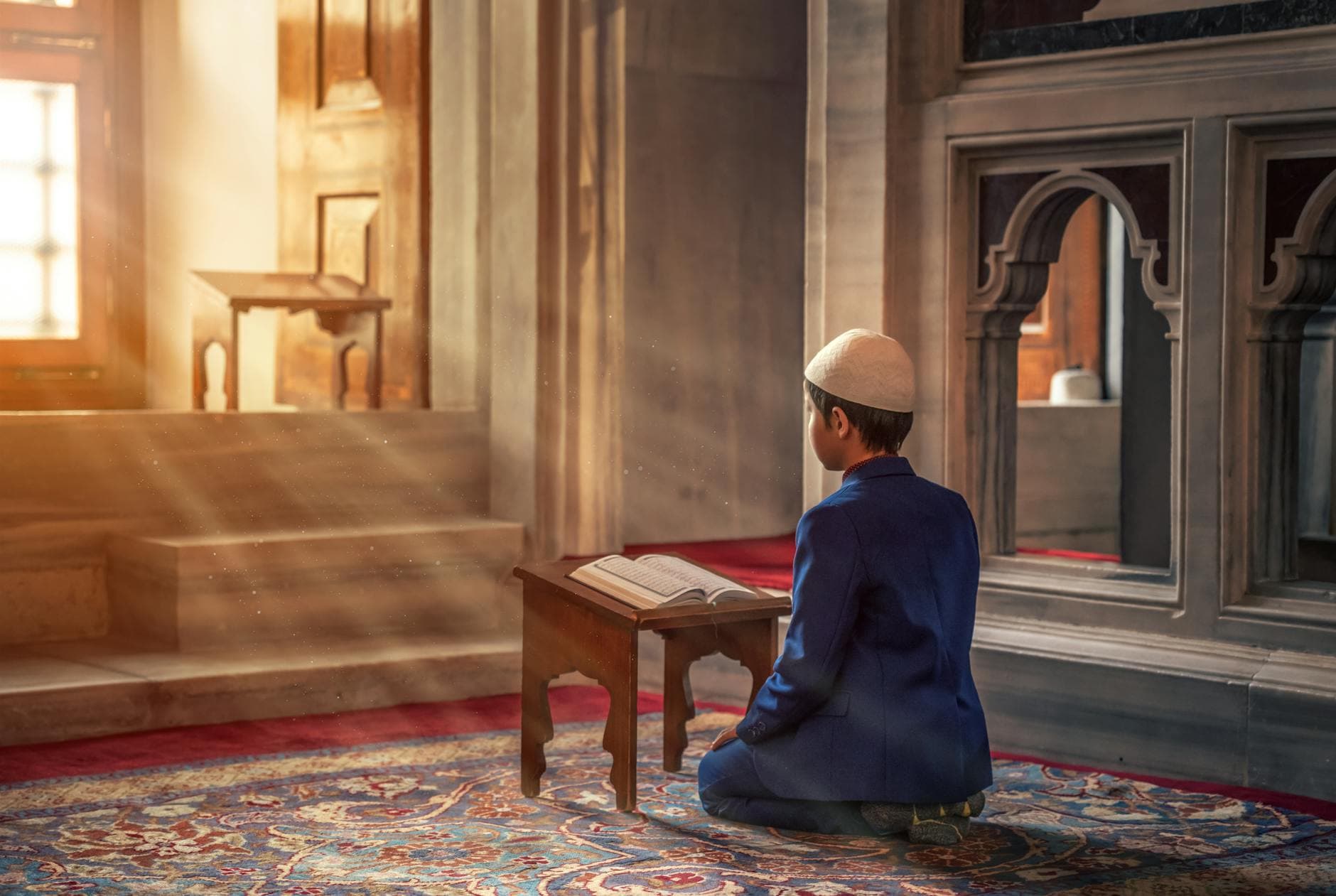
The Profound Importance of Salah (Prayer) in Islam: A Spiritual Lifeline
In a world bustling with constant demands and distractions, humanity often seeks an anchor, a source of peace, and a profound connection to something greater than themselves. For Muslims, this anchor is Salah – the ritual prayer performed five times a day. More than just a set of movements or recitations, Salah is the very essence of a Muslim's spiritual life, a direct, intimate conversation with Allah (SWT), and a foundational pillar of their faith.
Salah: The Second Pillar of Islam
Islam is built upon five fundamental pillars, and Salah stands as the second most important, right after the declaration of faith (Shahada). Its significance is underscored by the beloved Prophet Muhammad (peace be upon him) who said:
"Islam has been built on five [pillars]: testifying that there is no deity worthy of worship except Allah and that Muhammad is the Messenger of Allah, establishing the prayer (Salah), paying the zakat, making the pilgrimage [to Makkah], and fasting [the month of Ramadan]." (Sahih Bukhari, Hadith 8; Sahih Muslim, Hadith 16)
This Hadith clearly positions Salah as an indispensable component of a Muslim's identity and practice. It is not merely an option but an obligation, a commitment that shapes the daily rhythm and spiritual landscape of every believer.
A Direct Connection with Allah
Salah offers Muslims a unique opportunity for direct communication with their Creator. Five times a day, amidst the mundane affairs of life, the believer stands before Allah, humbling themselves, expressing gratitude, seeking forgiveness, and asking for guidance. This intimate connection fosters a deep sense of presence and awareness of Allah's grandeur and mercy.
The Quran emphasizes Allah's closeness to His servants:
"And when My servants ask you, [O Muhammad], concerning Me – indeed I am near. I respond to the invocation of the supplicant when he calls upon Me. So let them respond to Me [by obedience] and believe in Me that they may be [rightly] guided." (Quran 2:186)
Salah is the most profound form of this invocation, a moment where the servant pours out their heart to their Lord, knowing that He is listening and ever-present. It is in this communion that the soul finds solace and strength, navigating life's challenges with divine assistance.
Spiritual Cleansing and Forgiveness
One of the most profound benefits of Salah is its role as a spiritual cleanser. Just as physical dirt accumulates on our bodies, sins and transgressions can weigh down our souls. Salah acts as a purification process, washing away minor sins and renewing the spirit.
Consider the beautiful analogy presented by the Prophet Muhammad (PBUH):
"Do you think that if there was a river at the door of any one of you and he took a bath in it five times a day, would any of his dirt remain?" They said, "No dirt would remain from him." He said, "That is the likeness of the five daily prayers; Allah wipes away sins by them." (Sahih Bukhari, Hadith 528; Sahih Muslim, Hadith 667)
This powerful imagery illustrates how regular Salah continuously purifies the believer, allowing them to start afresh after each prayer. Furthermore, it serves as an expiation for sins committed between prayers:
"The five (daily) prayers and Friday (prayer) to the Friday (prayer) and Ramadan to Ramadan are expiations for the (sins committed) between them, provided that one avoids the major sins." (Sahih Muslim, Hadith 233)
Discipline, Structure, and Mindfulness
The prescribed timings of Salah throughout the day instill a unique sense of discipline and structure in a Muslim's life. From Fajr before sunrise to Isha late at night, each prayer serves as a timely reminder of our ultimate purpose and accountability. This rhythmic practice breaks the monotony of worldly pursuits, offering moments of reflection and spiritual rejuvenation.
Allah (SWT) states in the Quran:
"Verily, As-Salah (the prayer) is enjoined on the believers at fixed hours." (Quran 4:103)
This structure helps develop a heightened sense of mindfulness and self-awareness. It trains the believer to pause, reflect, and re-center themselves on Allah's remembrance, fostering patience, perseverance, and a disciplined approach to life.
A Source of Tranquility and Peace
In moments of stress, anxiety, or sadness, Salah becomes a refuge. It is a moment to disconnect from the worldly chaos and reconnect with the divine source of peace. The very act of standing, bowing, and prostrating in humility brings a unique sense of calm and tranquility to the heart.
Allah says in the Quran:
"Verily, in the remembrance of Allah do hearts find rest." (Quran 13:28)
Salah is the ultimate form of 'remembrance of Allah' (Dhikr). It offers a sanctuary where one can leave their burdens at the threshold of prayer and emerge renewed, with a strengthened spirit and a clearer mind.
Fostering Community and Unity
While Salah is a personal act of worship, it also possesses a powerful communal dimension. Congregational prayers (Jama'ah), especially the weekly Friday prayer (Jum'ah), bring Muslims together, fostering a strong sense of unity, brotherhood, and sisterhood. Standing shoulder to shoulder in prayer, regardless of social status, race, or background, embodies the Islamic principle of equality before Allah.
Prophet Muhammad (PBUH) emphasized the immense reward of praying in congregation:
"Prayer in congregation is twenty-seven times more superior to prayer performed individually." (Sahih Bukhari, Hadith 645; Sahih Muslim, Hadith 650)
This collective worship strengthens community bonds, encourages mutual support, and reinforces the idea that Muslims are one Ummah (nation).
Physical Benefits of Salah
Beyond its profound spiritual and social benefits, Salah also offers gentle physical advantages. The prescribed movements – standing, bowing (rukuh), and prostrating (sujud) – constitute a unique form of physical exercise. These movements can improve flexibility, posture, and circulation. The act of prostration, in particular, is noted by some studies to increase blood flow to the brain, promoting relaxation and cognitive function.
Guidance for Consistency and Deeper Connection
For some, maintaining consistency or achieving a deeper connection during Salah can be a challenge. Here are some tips to cultivate a more profound and unwavering prayer life:
1. Understand the Meaning
Knowing the meaning of the verses and supplications you recite during Salah transforms it from a ritual into a heartfelt conversation. Invest time in learning the Arabic and its translation, reflecting on each word.
2. Prepare with Care
Perform Wudu (ablution) with mindfulness, allowing it to cleanse not just your body but also your mind and heart. Ensure your clothes and prayer space are clean and conducive to focus.
3. Cultivate Khushu' (Humility and Concentration)
Strive to be present in your prayer. Visualize yourself standing before Allah. Minimize distractions. Reflect on Allah's greatness and your own humility. This takes practice but is immensely rewarding.
4. Make Du'a (Supplication)
After Salah, take a moment to make personal supplications. Ask Allah for strength, guidance, and forgiveness. This extends the connection beyond the formal prayer.
5. Learn from Others
Seek knowledge from imams, scholars, or experienced Muslims on improving your Salah. Observe how others pray with devotion and learn from their example.
6. Start Small, Stay Consistent
If you're struggling, focus on consistency over perfection initially. The key is to establish the habit. Even if your prayer isn't perfect, the act of standing before Allah five times a day is itself an act of immense worship.
Overcoming Challenges
It is natural to face challenges like laziness or distractions. Shaytan (Satan) actively tries to deter believers from their prayers. When you feel a lack of motivation, remind yourself of the immense rewards of Salah and the severe consequences of neglecting it.
Allah (SWT) warns about those who neglect prayer:
"Then, there succeeded them a generation who neglected prayers and pursued desires; so they are going to meet evil." (Quran 19:59)
This verse serves as a powerful reminder of the gravity of neglecting Salah and encourages us to remain steadfast. Seek refuge in Allah from laziness and worldly distractions, and always remember that your prayer is your greatest asset in this life and the Hereafter.
Conclusion
Salah is truly a spiritual lifeline for every Muslim, a constant reminder of our purpose, our Creator, and our ultimate destination. It is the bedrock of faith, the source of peace, the purifier of sins, and the bond that unites the global Muslim community. By cherishing and prioritizing our prayers, we strengthen our connection with Allah, find tranquility in our hearts, and pave our way to success in this world and the eternal bliss of the Hereafter.
May Allah (SWT) make us among those who establish their Salah with sincerity and devotion. Amin.