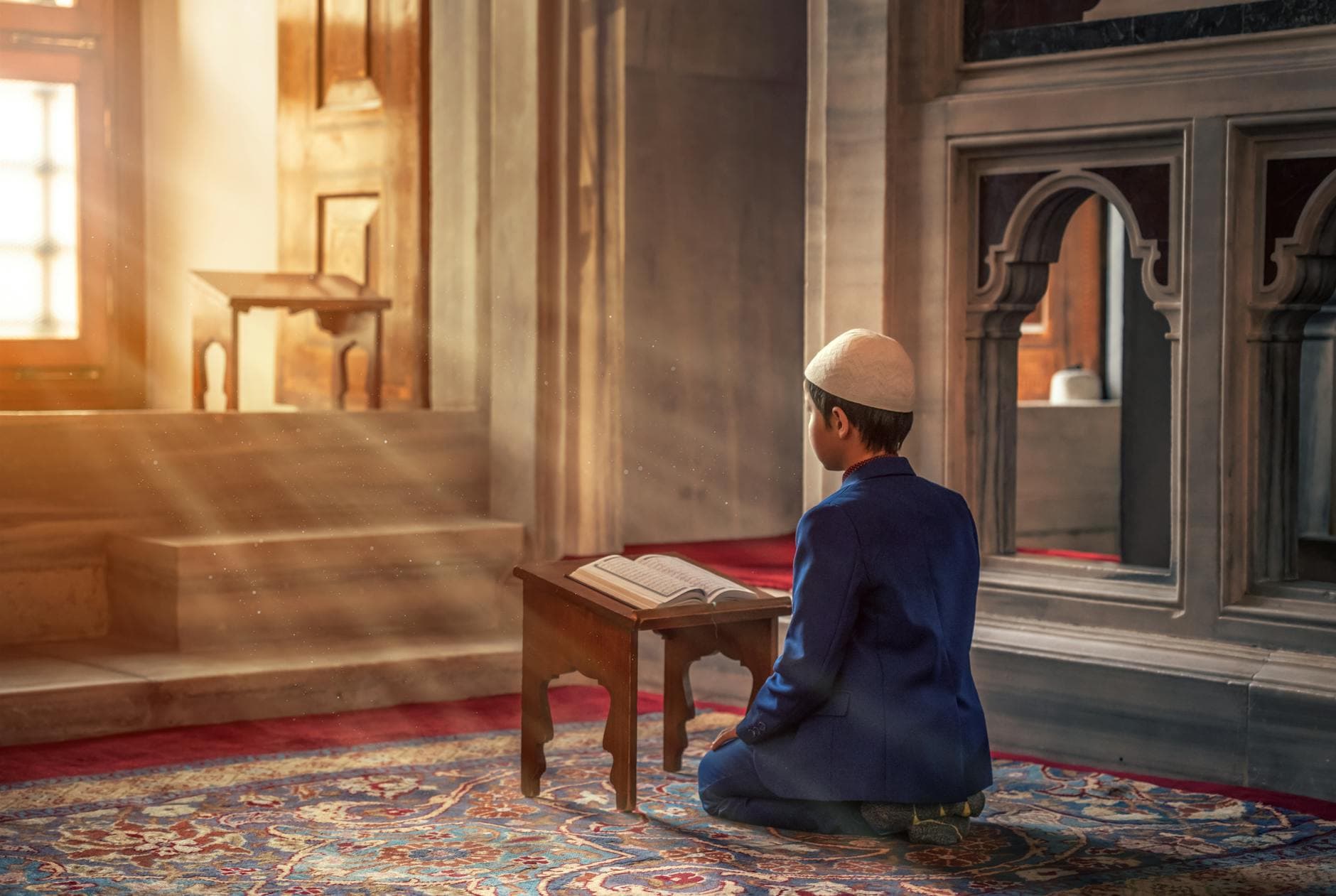
The Profound Importance of Salah: Connecting with Allah, Finding Inner Peace
In the tapestry of a Muslim's life, few threads are as vibrant and central as Salah, the prescribed prayer performed five times a day. More than just a ritual, Salah is a direct, intimate conversation with our Creator, Allah (SWT). It is the very backbone of our faith, a spiritual lifeline that nourishes the soul and anchors us amidst life's storms. For every Muslim, whether a new revert or someone who has been practicing for decades, understanding and embodying the true spirit of Salah is a lifelong journey of profound significance.
In an age filled with distractions and constant demands on our time, the rhythmic call to prayer serves as a sacred pause, a reminder of our ultimate purpose and our reliance on the Divine. Let's delve deep into the essence of Salah, exploring its foundational importance, the myriad benefits it offers, and practical ways to enhance our connection during these blessed moments.
Salah: The Second Pillar of Islam
Islam is built upon five fundamental pillars, and Salah stands proudly as the second of these, immediately following the declaration of faith (Shahada). Its prominence signifies its non-negotiable status in the life of a believer. The Prophet Muhammad (peace be upon him) frequently emphasized its gravity.
A Direct Command from Allah
The Quran, the divine word of Allah, repeatedly calls believers to establish prayer. It is a command that underscores its role as a consistent act of devotion and submission.
"Indeed, as for those who recite the Book of Allah and establish prayer and spend from what We have provided them, secretly and publicly, they hope for a transaction that will never perish." (Quran 35:29)
This verse highlights Salah alongside other acts of worship, underscoring its pivotal place in seeking Allah's pleasure and reward.
The Defining Mark of a Believer
The Prophet Muhammad (PBUH) made it clear that prayer distinguishes a believer from a non-believer. It is a sign of one's commitment to the faith.
"Between a man and polytheism and disbelief is the abandonment of prayer." (Sahih Muslim)
This powerful Hadith from Sahih Muslim underscores the seriousness with which Salah should be regarded. It's not merely an option but a duty, a covenant between the servant and the Lord.
The First Accountability
On the Day of Judgment, our prayers will be the first thing Allah will question us about.
Abu Huraira reported: The Messenger of Allah, peace and blessings be upon him, said, "The first matter for which a servant will be brought to account on the Day of Resurrection is his prayer. If it is sound, then he will have succeeded and prospered. If it is corrupt, then he will have failed and lost." (Sunan At-Tirmidhi – classified as Hasan Sahih)
While this Hadith is from Tirmidhi, its meaning is widely accepted and further illustrates the critical role of Salah in our eternal fate. It should motivate us to perfect our prayers to the best of our ability.
The Spiritual and Emotional Benefits of Salah
The profound impact of Salah extends far beyond mere ritual. It is a wellspring of spiritual and emotional benefits that can transform a believer's life.
1. Direct Connection with Allah
Salah is your personal audience with the King of Kings, the Sustainer of all existence. Five times a day, you stand before Allah, without intermediary, pouring out your heart, seeking His guidance, mercy, and forgiveness. This direct connection fosters a deep sense of intimacy and reliance on Allah.
The Prophet (PBUH) said, "When one of you stands in prayer, he is conversing with his Lord." (Sahih Bukhari)
Imagine the honor and privilege! This awareness alone can imbue our prayers with profound meaning and sincerity.
2. Inner Peace and Tranquility (Khushu')
In a world bustling with anxieties and worries, Salah offers a sanctuary of peace. When performed with khushu' (humility, attentiveness, and presence of heart), it allows us to detach from worldly concerns and find solace in the remembrance of Allah.
"Verily, in the remembrance of Allah do hearts find rest." (Quran 13:28)
Salah is the ultimate form of dhikr (remembrance of Allah), and as such, it brings a profound sense of calm and reassurance to the troubled heart.
3. A Cleansing of Sins
Salah acts as a spiritual cleanser, washing away our minor sins between prayers. Just as physical dirt is removed by water, spiritual impurities are removed by prayer.
The Prophet (PBUH) said, "If there was a river at the door of anyone of you and he took a bath in it five times a day, would you notice any dirt on him?" They said, "Not a trace of dirt would be left." The Prophet added, "That is the example of the five prayers with which Allah wipes away evil deeds." (Sahih Bukhari & Sahih Muslim)
This beautiful analogy gives us immense hope and encourages us to never abandon our prayers, no matter how many times we may falter.
4. Discipline and Time Management
The five daily prayers occur at specific times throughout the day, imposing a beneficial structure on our lives. They teach us discipline, punctuality, and the importance of prioritizing our obligations to Allah. This structured routine can naturally extend to other areas of our lives, fostering better time management and organization.
5. A Constant Reminder of Allah
Salah serves as a consistent reminder of our purpose in life and our Creator. It pulls us away from heedlessness, preventing us from becoming entirely engrossed in worldly pursuits. Each prayer reconnects us to our spiritual compass, ensuring we stay on the straight path.
Practical and Societal Benefits
Beyond the individual spiritual realm, Salah also brings tangible practical and societal advantages.
1. Physical Well-being
The movements of Salah – standing, bowing (rukuh), prostrating (sujud), and sitting – constitute a gentle form of exercise. These movements improve flexibility, blood circulation, and can relieve tension. Wudu (ablution) before prayer also contributes to personal hygiene, and the focus on clean surroundings for prayer promotes cleanliness in general.
2. Community Building and Unity
Congregational prayers, especially the Friday (Jumu'ah) prayer, foster a sense of unity and brotherhood/sisterhood among Muslims. Standing shoulder-to-shoulder, rich and poor, black and white, all facing the Kaaba in Makkah, reinforces the core Islamic principle of equality. This collective worship strengthens community bonds and mutual support.
"And establish prayer and give zakah and bow with those who bow [in worship and obedience]." (Quran 2:43)
This verse emphasizes the communal aspect of prayer, highlighting its role in collective submission.
3. Moral Uprightness
Salah, when performed with sincerity and devotion, has the power to deter from evil and wrongdoing. The consciousness of standing before Allah five times a day encourages believers to lead righteous lives.
"Indeed, prayer prohibits immorality and wrongdoing, and the remembrance of Allah is greater. And Allah knows that which you do." (Quran 29:45)
This verse is a profound testament to Salah's transformative power, acting as a shield against sin and prompting adherence to good conduct.
Enhancing Your Salah: A Journey of Improvement
Many Muslims struggle with maintaining focus and khushu' during prayer. It's a common challenge, but one that can be addressed with sincere effort and conscious practice.
1. Understand What You Recite
Learning the meaning of the Fatiha, the short surahs, and the invocations (dhikr) recited during Salah can profoundly deepen your connection. When you understand the words, your heart and mind can engage more fully, transforming rote recitation into meaningful conversation.
2. Perform Wudu with Intention
Wudu (ablution) is not just a physical cleansing; it's a spiritual preparation. Take your time, perform it thoroughly, and reflect on its purpose: to purify yourself for standing before Allah. Intention (niyyah) is key.
3. Seek a Quiet Space
Minimize distractions. Find a clean, calm place where you can focus without interruption. If possible, turn off notifications, and inform others that you are praying.
4. Pray on Time
Making Salah a priority by praying it at its prescribed time (or as close as possible) demonstrates your commitment. Rushing prayers at the last minute often leads to a lack of khushu'. The earlier you pray, the more blessed and focused it usually is.
5. Reflect on the Magnificence of Allah
Before starting Salah, take a moment to reflect on the greatness and majesty of Allah. Contemplate who you are standing before. This will naturally cultivate humility and reverence in your heart.
6. Make Du'a for Khushu'
Allah is the source of all blessings, including the ability to focus in prayer. Ask Him sincerely to grant you khushu'. The Prophet (PBUH) taught us many duas, including seeking refuge from a heart that is not humble.
7. Consistency is Key
Even if your Salah feels imperfect, do not give up. Consistency, even with imperfections, is more beloved to Allah than sporadic perfection. Each prayer is an opportunity for renewal and improvement.
Conclusion: Embrace the Gift of Salah
Salah is a divine gift, a profound expression of our servitude to Allah, and a continuous source of blessings. It is our anchor, our shield, and our direct line to the Divine. While the challenges of maintaining consistent and focused prayer are real, the rewards — in this life and the next — are immeasurable.
Let us strive to deepen our understanding and enhance our practice of Salah, treating each prayer as a precious meeting with our Lord. By doing so, we not only fulfill a fundamental obligation but also unlock a treasure trove of peace, guidance, and spiritual growth that illuminates every aspect of our lives. May Allah (SWT) make us among those who establish prayer with sincerity and *khushu'. Ameen.
Frequently Asked Questions about Salah
Q: What is Salah?
A: Salah is the ritual prayer performed by Muslims five times a day, facing the Kaaba in Makkah. It is the second pillar of Islam and a direct act of worship and communication with Allah (God).
Q: Why is Salah so important in Islam?
A: Salah is crucial because it is a direct command from Allah, distinguishes believers, is the first act accounted for on Judgment Day, and brings immense spiritual benefits like connection with Allah, inner peace, and cleansing of sins.
Q: How many times a day do Muslims pray?
A: Muslims are obligated to perform Salah five times a day at prescribed times: Fajr (dawn), Dhuhr (noon), Asr (afternoon), Maghrib (sunset), and Isha (night).
Q: What is Khushu' in Salah?
A: Khushu' refers to humility, attentiveness, and presence of heart during Salah. It means praying with full concentration, understanding the words, and being aware that one is standing before Allah, detaching from worldly thoughts.
Q: What if I miss a prayer?
A: If a prayer is missed unintentionally (e.g., due to sleep or forgetfulness), it should be made up as soon as one remembers. If it is missed intentionally without a valid Islamic reason, it is a major sin and requires sincere repentance and making up the prayer.
Q: Can women pray during their menstrual cycle?
A: No, women are not permitted to perform Salah during menstruation or post-childbirth bleeding (nifas). They are also not required to make up these missed prayers later. However, they can still engage in other forms of worship like remembrance of Allah (dhikr) and supplication (du'a).