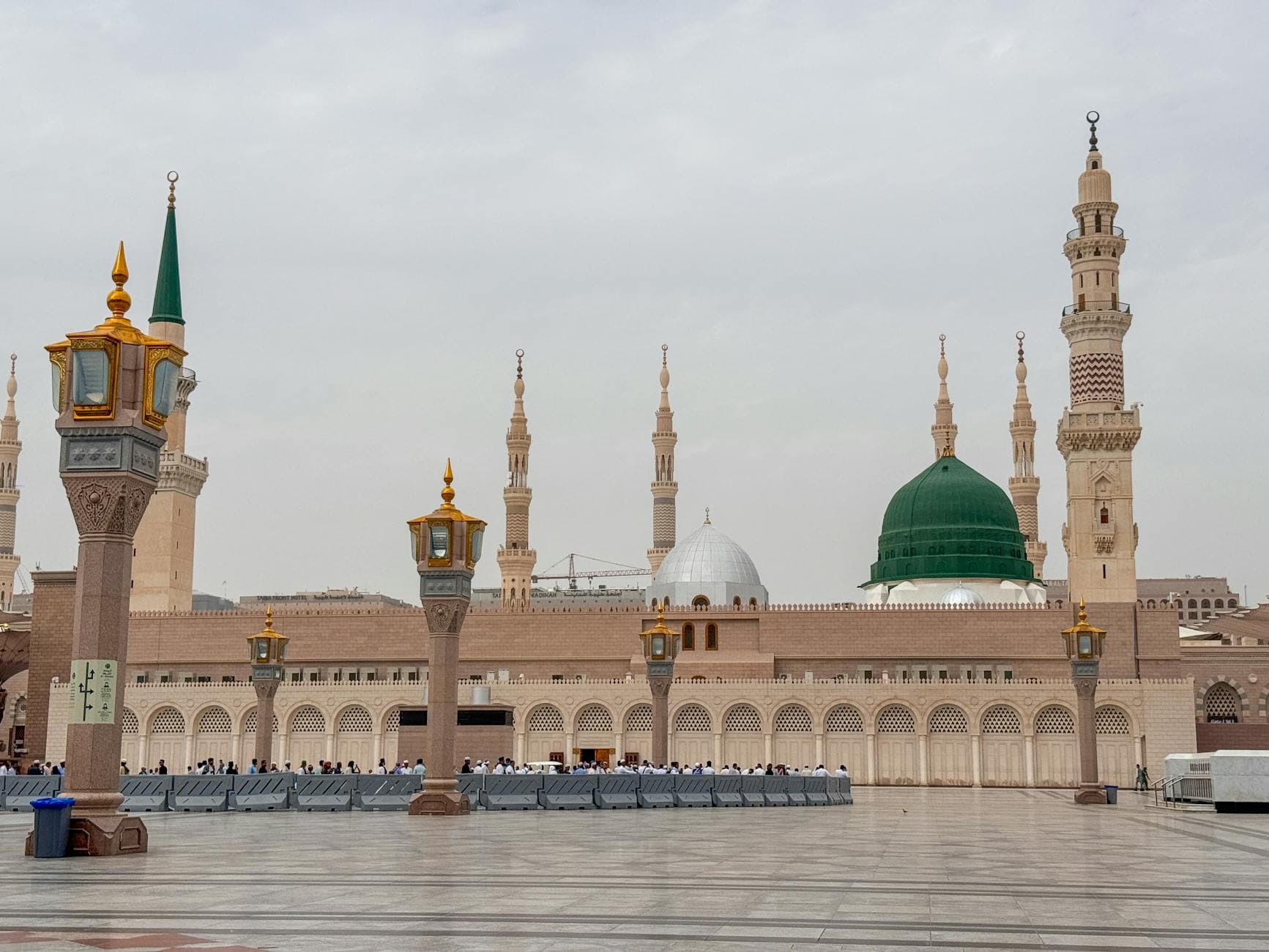
The Profound Blessings of Sending Salawat Upon Prophet Muhammad (PBUH)
In the journey of faith, there are practices that shine like guiding stars, illuminating the path to spiritual closeness with Allah (SWT) and His final Messenger, Prophet Muhammad (peace be upon him). Among these, sending blessings and peace upon the Prophet, known as Salawat or Durud Sharif, stands out as an act of profound virtue and immense reward. It is a spiritual expression of love, respect, and gratitude for the one who brought us the message of Islam, guiding humanity from darkness into light.
The trending discussions on platforms like Reddit, with Muslims actively sharing and reminding each other to say "Allahumma salli 'ala Muhammadin wa 'ala aali Muhammadin wa salim," highlight the deep-seated love and reverence for the Prophet (PBUH) in the hearts of believers. This devotion is not merely an emotional attachment; it is an act of worship explicitly commanded by Allah (SWT) in the Quran and emphasized repeatedly in the Sunnah.
The Divine Command to Send Salawat
The importance of sending Salawat is unequivocally established in the Holy Quran. Allah (SWT) Himself commands the believers to send blessings upon His Prophet:
"Indeed, Allah confers blessing upon the Prophet, and His angels [ask Him to do so]. O you who have believed, ask [Allah to confer] blessing upon him and ask [Allah to grant him] peace." (Quran, Surah Al-Ahzab 33:56)
This verse is truly profound. It reveals that Allah, the Lord of all creation, and His angels, already send blessings upon the Prophet Muhammad (PBUH). What an honor and distinction for humanity that we are then invited to join in this divine and angelic act! It's a testament to the Prophet's exalted status and a clear directive for Muslims to express their veneration for him.
The Myriad Virtues of Sending Salawat
Sending Salawat is not just an obligation; it's a gateway to countless blessings and benefits, both in this life and the Hereafter. The Prophet Muhammad (PBUH) himself elucidated many of these virtues, encouraging his followers to make Salawat a regular part of their lives.
1. Receiving Ten Blessings from Allah
One of the most remarkable virtues is the immense reward for a single Salawat. The Prophet (PBUH) assured us that Allah (SWT) responds with even greater generosity.
Narrated Abu Huraira: The Prophet (PBUH) said, "Whoever sends one blessing upon me, Allah will send ten blessings upon him." (Sahih Muslim)
Imagine the mercy of Allah! For every single Salawat we utter, Allah sends ten blessings upon us. These blessings can manifest as forgiveness of sins, elevation of status, increase in good deeds, and relief from difficulties.
2. Attaining Forgiveness of Sins and Elevation of Ranks
Coupled with receiving blessings, sending Salawat is a means of expiating sins and elevating one's spiritual status.
It was narrated from Anas bin Malik that the Messenger of Allah (PBUH) said: "Whoever sends salah upon me once, Allah will send salah upon him ten times, and will erase ten sins from him, and will raise him ten degrees in status." (Sunan An-Nasa'i, though similar narrations are found in broader compilations and supported by the spirit of the Sahih Muslim hadith above).
This highlights the profound cleansing and uplifting effect of Salawat. It's a simple yet powerful act of remembrance that has a tangible impact on our spiritual ledger.
3. Proximity to the Prophet (PBUH) on the Day of Judgment
Every Muslim yearns for the companionship of the Prophet (PBUH) in Paradise. Sending Salawat is a direct path to achieving this blessed proximity.
Narrated 'Abdullah ibn Mas'ud: The Messenger of Allah (PBUH) said, "The person closest to me on the Day of Judgment will be the one who sends the most blessings upon me." (Sunan At-Tirmidhi, Hasan)
This Hadith serves as a powerful motivator. If we wish to be among those closest to our beloved Prophet (PBUH) when we most need his intercession and companionship, we should strive to send abundant Salawat throughout our lives.
4. Answered Supplications (Du'as)
Du'a is the essence of worship, our direct conversation with Allah. Including Salawat in our supplications makes them more likely to be accepted.
Narrated 'Umar ibn Al-Khattab: "Indeed, du'a is suspended between the heavens and the earth, and nothing ascends from it until you send blessings upon your Prophet." (Sunan At-Tirmidhi, Hasan)
This means that beginning and ending our du'as with Salawat acts as an opening and closing seal, enhancing their acceptance by Allah (SWT). It demonstrates respect and love for the Prophet (PBUH), a love that Allah rewards by accepting the prayer itself.
5. Intercession of the Prophet (PBUH)
On the Day of Judgment, when humanity will stand in dire need of intercession, the Prophet Muhammad (PBUH) will be granted the power to intercede for his Ummah. Sending Salawat is linked to this great blessing.
It was narrated that Abu Hurairah said: The Messenger of Allah (PBUH) said: "Do not make your houses graves, and do not make my grave a place of celebration, but send blessing upon me, for your blessing will reach me wherever you are." (Sunan Abu Dawud, Hasan)
While the direct link to intercession is primarily through faith and good deeds, the emphasis on sending blessings ensures a continuous connection with the Prophet (PBUH), whose intercession will be for those who truly followed and loved him. Each Salawat is conveyed to him, as stated in other narrations where angels transmit the greetings of his Ummah.
6. Remembrance of Allah (SWT) and Gratitude
Sending Salawat is an act of Dhikr (remembrance of Allah). When we remember the Prophet (PBUH) and send blessings upon him, we are also remembering the message he conveyed from Allah. It is an expression of gratitude for the greatest blessing bestowed upon humanity – the guidance of Islam.
When to Send Salawat
While we can send Salawat at any time, there are specific moments and situations where it is highly encouraged and carries extra merit:
-
During the Adhan: After hearing the call to prayer, it is Sunnah to respond to the Adhan and then send Salawat upon the Prophet (PBUH).
Narrated Abdullah ibn Amr ibn Al-'As: He heard the Messenger of Allah (PBUH) say, "When you hear the Mu'adhdhin, repeat what he says, then send blessings upon me, for whoever sends blessings upon me once, Allah will send blessings upon him ten times..." (Sahih Muslim)
-
In Salah (Prayer): The Salawat al-Ibrahimiyyah (Ibrahimic prayer) is an essential part of the Tashahhud in every prayer.
Narrated Ka'b bin 'Ujra: "O Messenger of Allah! How should we (invoke Allah to) send blessings upon you?" He said, "Say: 'Allahumma salli 'ala Muhammadin wa 'ala aali Muhammadin, kama sallaita 'ala Ibrahima wa 'ala aali Ibrahima innaka Hamidun Majid. Allahumma barik 'ala Muhammadin wa 'ala aali Muhammadin, kama barakta 'ala Ibrahima wa 'ala aali Ibrahima innaka Hamidun Majid.'" (O Allah, send blessings upon Muhammad and upon the family of Muhammad, as You sent blessings upon Ibrahim and upon the family of Ibrahim; indeed, You are Praiseworthy and Glorious. O Allah, send benedictions upon Muhammad and upon the family of Muhammad, as You sent benedictions upon Ibrahim and upon the family of Ibrahim; indeed, You are Praiseworthy and Glorious.) (Sahih Bukhari, Sahih Muslim)
-
During Du'a (Supplication): As mentioned earlier, beginning and ending du'as with Salawat enhances their acceptance.
-
Upon hearing or reading his name: It is a sign of respect and love to send blessings whenever the Prophet's name is mentioned.
-
On Fridays (Jumu'ah): The Prophet (PBUH) specifically encouraged sending abundant Salawat on this blessed day.
Narrated Aws ibn Aws: The Prophet (PBUH) said, "Among the best of your days is Friday... So send much blessing upon me on it, for your blessings will be presented to me." (Sunan Abu Dawud, Hasan Sahih)
-
When entering and leaving the mosque.
Formulations of Salawat
While the Salawat al-Ibrahimiyyah used in Salah is the most comprehensive and recommended form, simpler forms are also acceptable and carry immense reward. Some common forms include:
- "Allahumma Salli 'ala Muhammad" (O Allah, send blessings upon Muhammad)
- "Sallallahu 'alaihi wa sallam" (May Allah's peace and blessings be upon him)
- "Allahumma Salli 'ala Muhammadin wa 'ala aali Muhammad" (O Allah, send blessings upon Muhammad and upon the family of Muhammad)
Each of these forms, uttered with sincerity and love, fulfills the divine command and brings forth blessings.
Cultivating Love and Connection
Beyond the specific rewards, regularly sending Salawat upon the Prophet (PBUH) cultivates a deeper love for him in our hearts. It reminds us of his sacrifices, his noble character, and his tireless efforts to convey the message of Islam. This love, in turn, strengthens our faith and inspires us to emulate his beautiful Sunnah.
Making Salawat a daily practice, whether while walking, driving, waiting, or during moments of quiet reflection, can transform our spiritual lives. It's a continuous act of remembrance that keeps us connected to the source of guidance and mercy.
Conclusion
The act of sending Salawat upon Prophet Muhammad (PBUH) is a profound and beautiful form of worship, rich in blessings and spiritual benefits. It is a divine command, a Sunnah of the Prophet, and a means to draw closer to Allah (SWT) and His beloved Messenger. By incorporating Salawat into our daily lives, we not only fulfill an important religious obligation but also open doors to immense mercy, forgiveness, and a strengthened connection with the one whose teachings illuminate our path to success in this world and the Hereafter. Let us strive to be among those who send abundant blessings upon him, earning his proximity and Allah's eternal grace.
اللَّهُمَّ صَلِّ عَلَى مُحَمَّدٍ وَعَلَى آلِ مُحَمَّدٍ، كَمَا صَلَّيْتَ عَلَى إِبْرَاهِيمَ وَعَلَى آلِ إِبْرَاهِيمَ، إِنَّكَ حَمِيدٌ مَجِيدٌ. اللَّهُمَّ بَارِكْ عَلَى مُحَمَّدٍ وَعَلَى آلِ مُحَمَّدٍ، كَمَا بَارَكْتَ عَلَى إِبْرَاهِيمَ وَعَلَى آلِ إِبْرَاهِيمَ، إِنَّكَ حَمِيدٌ مَجِيدٌ.
(Allahumma salli 'ala Muhammadin wa 'ala aali Muhammadin, kama sallaita 'ala Ibrahima wa 'ala aali Ibrahima innaka Hamidun Majid. Allahumma barik 'ala Muhammadin wa 'ala aali Muhammadin, kama barakta 'ala Ibrahima wa 'ala aali Ibrahima innaka Hamidun Majid.)