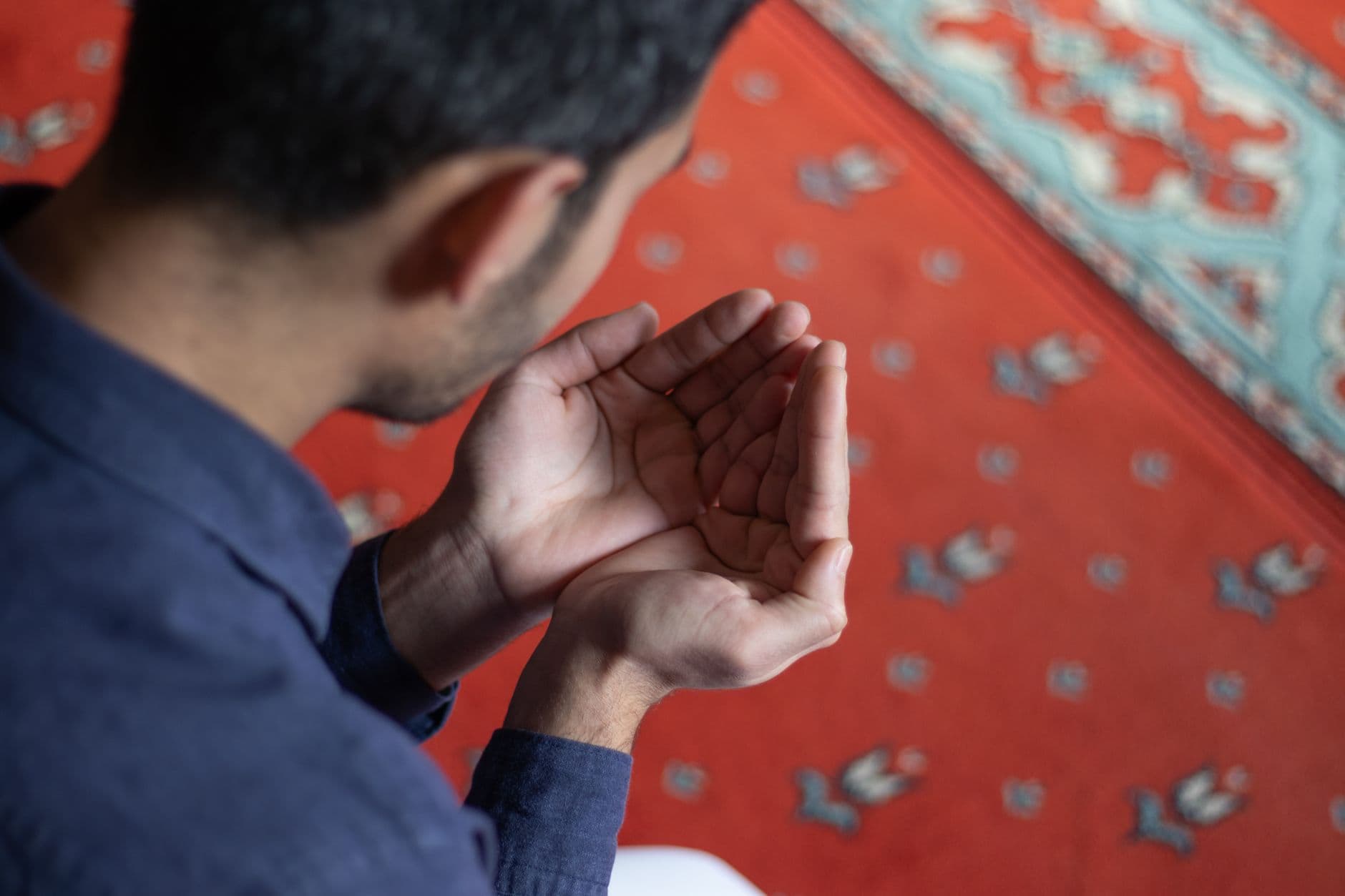
The Power of Shukr: Cultivating Profound Gratitude in Islam
In the tapestry of Islamic faith, few threads are as vibrant and essential as Shukr – gratitude. More than just a fleeting emotion, Shukr is a profound state of being, a conscious recognition of Allah's countless blessings, and an active expression of thankfulness through our hearts, tongues, and actions. It is the very essence of a believer’s relationship with their Creator, transforming perspective and unlocking spiritual growth.
In a world often preoccupied with what is lacking, the Islamic emphasis on gratitude offers a refreshing antidote. It steers the heart towards contentment, fosters resilience in times of hardship, and deepens our connection to the Divine. Join us as we explore the foundational importance of Shukr, drawing wisdom from the Quran and the Sunnah, and discover practical ways to weave this beautiful virtue into the fabric of our daily lives.
Shukr: A Divine Commandment and a Prophetic Practice
From the very beginning of creation, Allah (SWT) has guided humanity towards gratitude. The Quran, our ultimate guide, is replete with verses that encourage, commend, and even command Shukr. Allah reminds us that gratitude is not merely for His benefit, but for our own spiritual elevation and success in both worlds.
The Quranic Imperative of Gratitude
Allah (SWT) explicitly states the reward for gratitude and the severe consequence of ingratitude:
"And [remember] when your Lord proclaimed, 'If you are grateful, I will surely increase you [in favor]; but if you deny, indeed, My punishment is severe.'" (Surah Ibrahim, 14:7)
This powerful verse underscores a fundamental principle: gratitude is directly linked to an increase in blessings. It's a promise from Allah – a divine law of abundance. When we acknowledge the blessings we have, no matter how small, Allah opens doors to further good. Conversely, denying or being ungrateful for His favors invites His displeasure.
Allah also reminds us of His boundless generosity, providing us with all that sustains life and makes it meaningful, urging us to be grateful for these fundamental provisions:
"And Allah brought you out from the wombs of your mothers while you knew nothing, and He made for you hearing and vision and hearts that perhaps you would be grateful." (Surah An-Nahl, 16:78)
Consider the simple act of hearing, seeing, or understanding. These are not mere biological functions; they are divine gifts, faculties through which we perceive and interact with the world, and for which we are expected to show gratitude.
Moreover, Shukr is not just a general sense of appreciation, but a direct recognition of Allah as the ultimate Giver of all good:
"So remember Me; I will remember you. And be grateful to Me and do not deny Me." (Surah Al-Baqarah, 2:152)
This verse beautifully connects gratitude with remembrance (Dhikr). To be grateful is to remember Allah, and in remembering Him, He remembers us – a profound spiritual exchange.
The Exemplary Gratitude of Prophet Muhammad (PBUH)
Our beloved Prophet Muhammad (PBUH), the best of creation, was the epitome of Shukr. His life was a living testament to gratitude, even in the most challenging circumstances. He taught us that true gratitude extends beyond words, manifesting in deeds and devotion.
It is narrated that the Prophet (PBUH) would stand in night prayers until his feet would swell. When asked why he exerted himself so much, given that Allah had forgiven his past and future sins, he replied:
"Shall I not be a grateful servant (of Allah)?" (Sahih Bukhari, Hadith 1130; Sahih Muslim, Hadith 2820)
This Hadith is profoundly inspiring. Despite his elevated status and certainty of paradise, the Prophet (PBUH) dedicated himself to worship out of sheer gratitude to Allah. This teaches us that gratitude is not contingent on our perceived struggles or successes, but rather an inherent response to the mercy and blessings of Allah.
He also advised us on cultivating a grateful heart by looking at those less fortunate:
Abu Huraira reported: The Messenger of Allah, peace and blessings be upon him, said, "Look at those who are beneath you, and do not look at those who are above you, for it is more suitable that you should not consider as less the blessing of Allah upon you." (Sahih Muslim, Hadith 2963)
This simple yet powerful advice helps us to appreciate what we have, preventing envy and fostering contentment.
The Myriad Benefits of Cultivating Shukr
Embracing Shukr is not just an act of obedience; it’s a transformative journey that yields profound benefits for our spiritual, mental, and physical well-being.
- Increased Blessings (Barakah): As mentioned in Surah Ibrahim (14:7), gratitude is a magnet for more blessings. When we appreciate what we have, Allah blesses it with barakah (divine blessings), making it sufficient and impactful.
- Spiritual Closeness to Allah: Shukr is a form of worship. A grateful heart is a heart that remembers Allah constantly, fostering a deeper, more intimate relationship with Him.
- Contentment and Inner Peace: In a consumer-driven world, discontent is rampant. Shukr shifts our focus from what we lack to what we possess, fostering true contentment (qana'ah) and inner peace.
- Resilience in Adversity: A grateful person finds reasons to thank Allah even in trials. They understand that every situation holds wisdom and opportunity for growth. This resilience is beautifully captured in the Hadith:
Suhaib reported: The Messenger of Allah, peace and blessings be upon him, said, "How wonderful is the affair of the believer, for there is good in all his affairs, and this is not the case for anyone but the believer. If prosperity comes to him, he is grateful, and that is good for him. If adversity befalls him, he is patient, and that is good for him." (Sahih Muslim, Hadith 2999)
- Positive Outlook and Reduced Stress: Gratitude naturally cultivates optimism. By focusing on the positive, we reduce anxiety, stress, and negative emotions, contributing to better mental health.
- Humility: Recognizing that all blessings come from Allah instills humility, preventing arrogance and self-admiration.
- Increased Happiness: Scientific studies increasingly show a strong correlation between gratitude and overall happiness. Islam taught us this centuries ago!
Practical Steps to Embody Shukr in Daily Life
Shukr is not passive; it requires conscious effort and consistent practice. Here are some actionable steps to cultivate a truly grateful heart:
1. Daily Dhikr (Remembrance of Allah)
Regularly engaging in Dhikr is a powerful way to remember and thank Allah. Simple phrases like Alhamdulillah (All praise is due to Allah), Subhanallah (Glory be to Allah), and Allahu Akbar (Allah is the Greatest) serve as constant reminders of His magnificence and blessings. Make it a habit to say "Alhamdulillah" for everything – a good meal, a safe journey, good health, the ability to pray, the warmth of your home.
2. Reflection and Contemplation (Tafakkur)
Take time each day to consciously reflect on the blessings in your life, both big and small. Think about your senses, your health, your family, your provision, the air you breathe, the water you drink, the guidance of Islam. Make a mental or physical list. This practice helps shift your focus from wants to needs and from deficiencies to abundance.
3. Expressing Gratitude to Others
While Shukr primarily relates to Allah, it also extends to showing appreciation to people who have been a source of good in our lives. The Prophet (PBUH) said:
"He who does not thank people, does not thank Allah." (Sunan Abi Dawud, Hadith 4811 – Graded Sahih by Al-Albani)
This highlights the interconnectedness of gratitude. Acknowledging and appreciating the kindness of others is a reflection of a truly grateful heart, and it strengthens community bonds.
4. Giving Sadaqah (Charity) and Helping Others
Using Allah's blessings to help those less fortunate is a profound way of showing gratitude. Whether it's donating money, volunteering time, or sharing knowledge, these acts demonstrate that you value Allah's gifts and wish to share them with His creation.
5. Patience (Sabr) in Adversity
True gratitude shines brightest in the face of hardship. When trials befall us, Shukr means acknowledging Allah's wisdom, trusting His plan, and finding the hidden blessings within the difficulty. This is where Shukr intertwines with Sabr (patience), forming an unbreakable spiritual shield.
6. Performing Salah with Khushu' (Devotion)
Salah, our direct communication with Allah, is the ultimate expression of gratitude. Performing Salah with full presence of heart, meditating on the words and movements, and remembering that we are standing before our Creator, deepens our appreciation for this divine gift.
7. Avoiding Complaints and Negative Speech
Consciously curb the habit of complaining. While it's natural to face challenges, constant complaining about what we lack or what went wrong can overshadow the countless blessings we possess. Strive to reframe challenges and seek solutions with a positive, grateful mindset.
The Danger of Ingratitude (Kufr an-Ni'mah)
Just as Shukr leads to an increase in blessings, its opposite, Kufr an-Ni'mah (ingratitude or denying blessings), can lead to their removal. The Quran warns us against this:
"And if you count the favor of Allah, you will not enumerate them. Indeed, mankind is [generally] most unjust and ungrateful." (Surah Ibrahim, 14:34)
This verse serves as a stark reminder that ingratitude is a grave error. It blinds us to Allah's immense mercy and can lead to arrogance, heedlessness, and ultimately, spiritual decline. To deny Allah's favors is to deny His lordship and His sustenance, a dangerous path for any believer.
Conclusion: A Grateful Heart, a Blessed Life
Shukr is more than just a fleeting emotion; it is a fundamental pillar of faith, a pathway to Allah's pleasure, and a source of immeasurable blessings in our lives. By consciously cultivating gratitude – through remembrance, reflection, acts of kindness, and patience – we transform our perspective, strengthen our connection with Allah, and unlock a life imbued with contentment, peace, and spiritual abundance.
May Allah (SWT) make us among His grateful servants, those whose hearts are constantly filled with Shukr, whose tongues never cease to praise Him, and whose actions reflect true appreciation for His countless favors. Ameen. A life lived with Shukr is a life truly blessed, reflecting the beauty and wisdom of Islam.