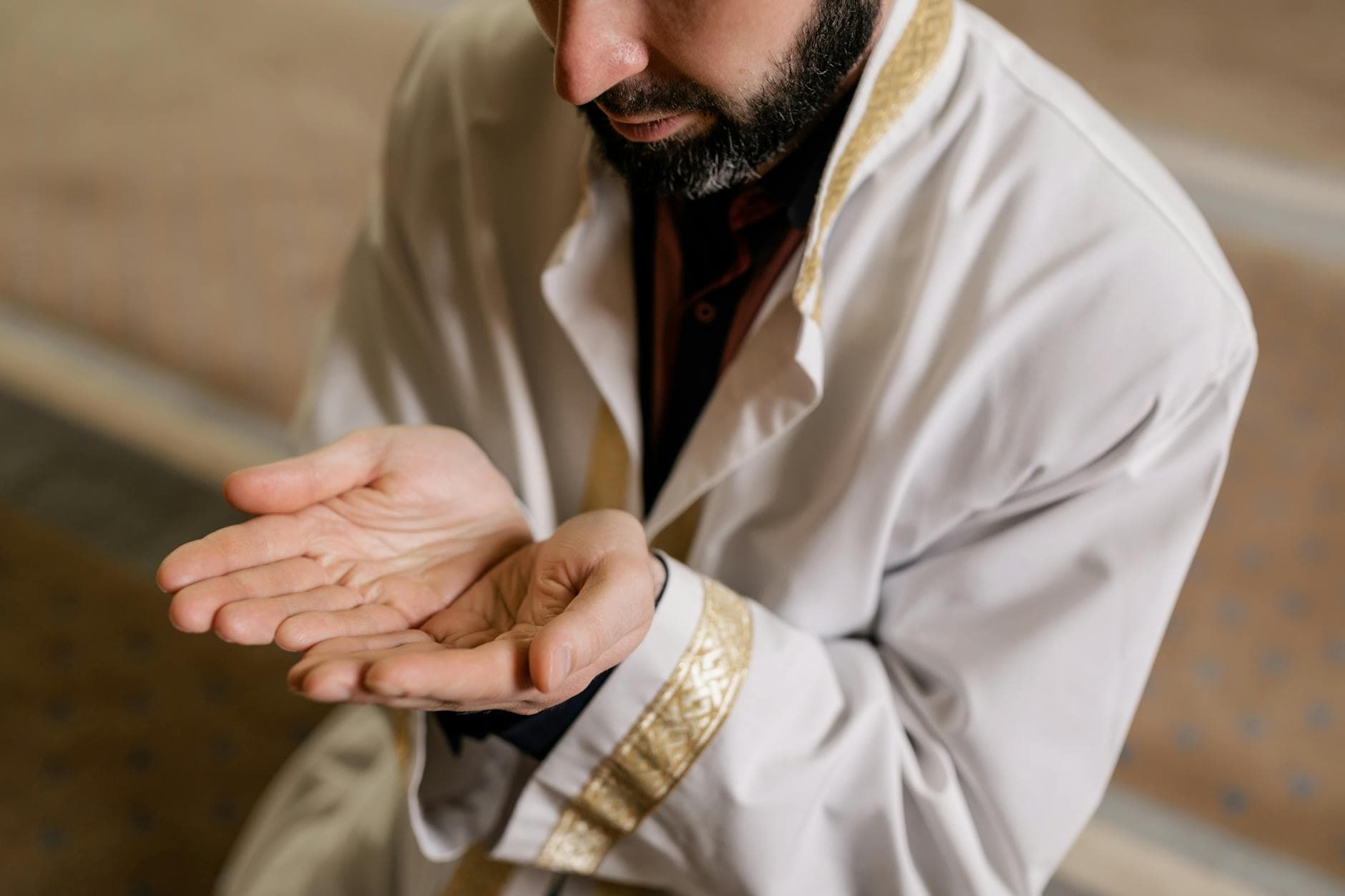
The Power of Dua: Connecting with Allah Through Sincere Supplication
In the tapestry of Islamic faith, few acts resonate with as much personal depth and spiritual solace as Dua. Dua, often translated as supplication or invocation, is more than just asking; it is a direct conversation with Allah, an intimate outpouring of the heart, a testament to our reliance on the Almighty. It is the spiritual lifeline that connects a believer directly to their Creator, a profound acknowledgment that all power and provision lie with Him alone.
What is Dua? The Essence of Worship
Dua, in its purest form, is humble submission, an earnest plea, and a profound declaration of our need for Allah's mercy and guidance. It is an act that embodies the very spirit of Islam, which means 'submission to the will of God'. When we raise our hands in Dua, we are not merely performing a ritual; we are engaging in a personal dialogue with the Lord of the Worlds, expressing our hopes, fears, gratitude, and repentance.
The Prophet Muhammad (peace be upon him) beautifully encapsulated the essence of Dua when he said:
"Dua is worship itself." (Tirmidhi, Hadith 3372)
This profound statement elevates Dua from a mere request to the core of devotion. It means that the very act of turning to Allah, calling upon Him, and expressing our needs is an act of worship in itself, deserving of immense reward.
Allah (SWT) Himself encourages us to call upon Him in the Quran:
"And when My servants ask you, [O Muhammad], concerning Me – indeed I am near. I respond to the invocation of the supplicant when he calls upon Me. So let them respond to Me [by obedience] and believe in Me that they may be [rightly] guided." (Quran 2:186)
This verse offers immense comfort, assuring us of Allah's closeness and His readiness to respond to our sincere calls. It reminds us that no matter how big or small our request, no matter how lost or hopeless we may feel, Allah is always there, listening.
Why Make Dua? Unlocking Countless Blessings
The benefits and wisdom behind making Dua are manifold:
- Direct Connection with Allah: It is the most direct and personal form of communication with your Creator, requiring no intermediary.
- Acknowledging Allah's Sovereignty: It reaffirms Allah's power and our dependence on Him, fostering humility and strengthening faith.
- Spiritual Tranquility: Pouring out your heart to Allah brings immense peace and reduces anxiety, knowing that your concerns are in the hands of the One who controls all things.
- Source of Reward: As a form of worship, Dua is rewarded by Allah, whether the specific request is granted or not.
- Protection from Arrogance: It keeps us grounded, reminding us that success and blessings come only from Allah.
- Averting Calamities: The Prophet Muhammad (PBUH) said:
"Nothing postpones predestination except Dua, and nothing increases the lifespan except righteousness." (Tirmidhi, Hadith 2139)
Etiquettes of Making Dua: A Path to Acceptance
While Allah hears every call, observing certain etiquettes can enhance the sincerity and potential for acceptance of our Duas. These are not strict rules but rather recommended practices derived from the Sunnah of the Prophet (PBUH):
- Sincerity (Ikhlas): Your heart must be fully present, believing truly that only Allah can fulfill your request.
- Purity: Perform Wudu (ablution) before making Dua, as a sign of respect and cleanliness.
- Facing the Qibla: Turning towards the Kaaba, as is done in Salah, is recommended.
- Raising Hands: It is Sunnah to raise hands during Dua, as the Prophet (PBUH) did.
- Praise and Salawat: Begin your Dua by praising Allah (e.g., Al-Hamdulillah) and sending blessings upon the Prophet Muhammad (PBUH) (Salawat). The Prophet (PBUH) said:
"When one of you supplicates, let him begin by praising Allah and glorifying Him. Then let him send Salat upon the Prophet. Then let him supplicate after that for whatever he wishes." (Tirmidhi, Hadith 3477)
- Using Allah's Beautiful Names: Call upon Allah using His Most Beautiful Names (Asma-ul-Husna) that are relevant to your request.
- Humility and Softness: Make Dua with a soft voice, full of humility, earnestness, and hope, yet with firm conviction.
- Persistence: Don't give up if your Dua isn't answered immediately. Keep asking, for Allah loves those who persist in calling upon Him. The Prophet (PBUH) said:
"The Dua of any one of you is granted as long as he does not become impatient and say, 'I supplicated but I was not answered.'" (Sahih Bukhari, Hadith 6340; Sahih Muslim, Hadith 2735a)
- Avoiding Forbidden Things: Ensure your livelihood is lawful, and you are not asking for something forbidden in Islam.
- Repentance: Combine your Dua with Istighfar (seeking forgiveness), as sins can hinder Duas from being accepted.
Special Times and Places for Dua Acceptance
While we can make Dua at any time, certain moments and situations have been highlighted as particularly conducive for Dua acceptance:
- The Last Third of the Night: A blessed time when Allah descends to the lowest heaven and asks, "Is there anyone supplicating Me so that I may respond to him?" (Sahih Bukhari, Hadith 1145; Sahih Muslim, Hadith 758).
- Between Adhan and Iqamah: The Prophet (PBUH) said:
"Dua is not rejected between the Adhan and the Iqamah." (Tirmidhi, Hadith 212)
- During Prostration (Sujood) in Salah: This is when a servant is closest to their Lord. The Prophet (PBUH) said:
"The nearest a servant comes to his Lord is when he is prostrating, so make abundant Dua in it." (Sahih Muslim, Hadith 482)
- After Obligatory Prayers: While not explicitly mentioned in Hadith as a specific time of acceptance, it is a common practice and a good time to remember Allah after completing a major act of worship.
- On the Day of Arafah: For those performing Hajj, and for Muslims worldwide, it's a day of immense blessings.
- During Rainfall: A time of mercy from Allah.
- While Traveling: The Dua of a traveler is often accepted.
- When Breaking Fast (Iftar): The Dua of a fasting person is not rejected.
- Dua of the Oppressed: Allah's promise to answer the Dua of those who have been wronged is absolute.
- Dua of a Parent for Their Child: A powerful Dua that carries special weight.
Does Allah Always Answer Dua? Understanding Divine Wisdom
This is a common question, and the answer is a resounding 'Yes!' However, Allah's response may come in ways we don't always expect or immediately recognize. The Prophet (PBUH) explained:
"There is no Muslim who supplicates to Allah with a Dua, except that Allah gives him one of three: either He answers his Dua immediately, or He stores it up for him in the Hereafter, or He averts an evil from him equivalent to it." (Tirmidhi, Hadith 3573)
This Hadith is a powerful reminder of Allah's boundless mercy and wisdom. Our Duas are never wasted. Sometimes, what we ask for might not be truly good for us, or Allah may have something better in store. Trusting in Allah's plan and wisdom is a crucial aspect of faith.
Practical Steps to Enhance Your Dua Life
Making Dua a regular, meaningful part of your life can transform your spiritual journey:
- Allocate Dedicated Time: Set aside a few minutes each day, perhaps after a prayer or before bed, solely for Dua.
- Memorize Prophetic Duas: Learn Duas from the Quran and Sunnah. These are comprehensive and beautifully worded.
- Keep a Dua List: Write down your Duas. This helps to remember everything you want to ask for and track how Allah answers.
- Reflect on Your Needs: Spend time pondering what truly matters to you in this life and the next, and express these sincerely to Allah.
- Seek Forgiveness Regularly: Engage in Istighfar daily, cleaning your spiritual slate and removing obstacles to Dua acceptance.
- Make Dua for Others: Praying for your fellow Muslims, especially your parents, family, and the broader Ummah, is highly virtuous and often leads to your own Duas being accepted.
Conclusion: Your Lifeline to the Divine
Dua is truly a remarkable gift, a testament to Allah's boundless love for His creation. It is a powerful tool for connection, a source of peace, and a means of transformation. By embracing the power of Dua with sincerity, humility, and persistence, we can strengthen our faith, navigate life's challenges with greater serenity, and ultimately draw closer to Allah, the Most Merciful, the Most Gracious. May Allah accept all our sincere Duas and grant us the best in this world and the Hereafter. Ameen.