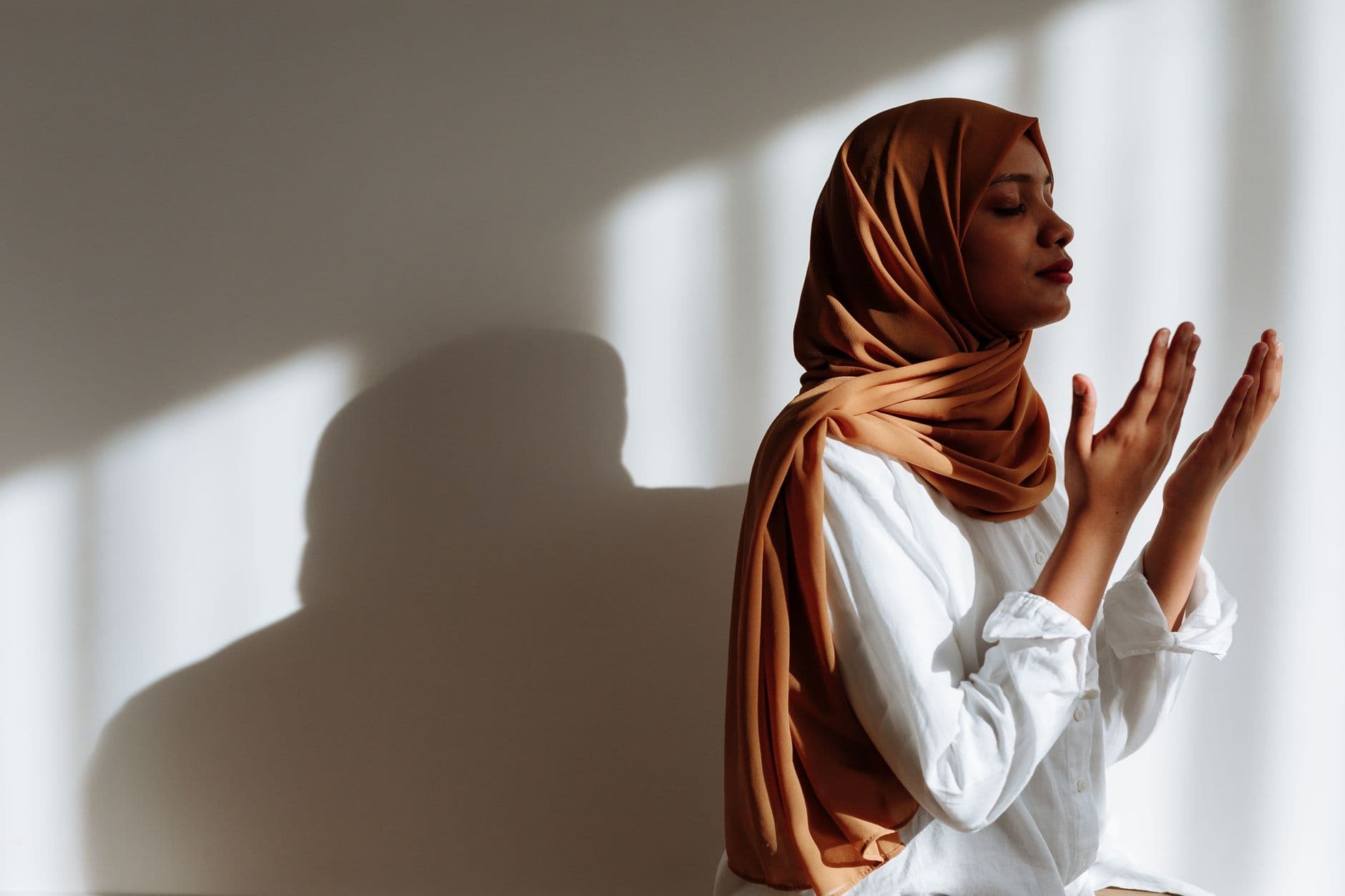
The Power of Dhikr: Remembering Allah in Every Moment
In the hustle and bustle of modern life, where distractions abound and peace often feels elusive, the human heart yearns for tranquility and purpose. For Muslims, this profound sense of peace is found in a timeless spiritual practice: Dhikr. Dhikr, or the remembrance of Allah, is not merely a set of ritualistic utterances; it is the very essence of a believer's connection with their Creator, a continuous state of consciousness that permeates every aspect of existence. It is the spiritual nourishment that strengthens the soul, calms the mind, and guides the heart towards its true purpose.
What is Dhikr?
Dhikr (ذِكْر) is an Arabic term that literally means 'remembrance', 'recollection', or 'mention'. In an Islamic context, it refers to the act of remembering Allah, whether through specific invocations, reflection on His attributes, contemplation of His creation, or adherence to His commands. It encompasses both verbal expressions – such as reciting the Quran, saying 'SubhanAllah' (Glory be to Allah), 'Alhamdulillah' (Praise be to Allah), 'La ilaha illallah' (There is no god but Allah), and 'Allahu Akbar' (Allah is the Greatest) – and the silent, conscious awareness of Allah's presence in one's heart and mind.
Allah (SWT) emphasizes the importance of Dhikr throughout the Quran, making it clear that His remembrance is the ultimate source of comfort and guidance.
"Those who believe and whose hearts find comfort in the remembrance of Allah. Unquestionably, by the remembrance of Allah hearts are assured." (Quran 13:28)
This powerful verse highlights the direct link between Dhikr and inner peace. In a world full of anxiety and stress, the remembrance of Allah serves as an anchor, grounding the believer in the certainty of divine power and mercy.
The Divine Command for Constant Remembrance
The Quran is replete with exhortations for believers to remember Allah frequently and consistently. This is not just a recommendation but a fundamental aspect of a thriving spiritual life.
"O you who have believed, remember Allah with much remembrance. And exalt Him [with praise] in the morning and the afternoon." (Quran 33:41-42)
This command extends beyond specific times of worship, encouraging a continuous state of remembrance throughout the day and night. The Prophet Muhammad (peace be upon him) exemplified this, his life a living testament to constant Dhikr in all circumstances.
Another poignant verse reminds us of Allah's reciprocal remembrance:
"So remember Me; I will remember you. And be grateful to Me and do not deny Me." (Quran 2:152)
This is a tremendous promise: when we remember Allah, He remembers us. What greater honor or comfort could a human being seek than to be remembered by the Lord of all creation? This divine reciprocity motivates believers to strive for consistent Dhikr, knowing that their efforts are recognized and rewarded.
Dhikr in the Sunnah: Prophetic Examples and Teachings
The life of Prophet Muhammad (PBUH) was a perfect embodiment of Dhikr. He constantly remembered Allah, whether in times of ease or hardship, joy or sorrow. His teachings provide us with numerous specific forms of Dhikr and emphasize their immense rewards.
The Kalimat at-Tayyibah (Good Words)
Some of the most beloved forms of Dhikr are the phrases taught by the Prophet (PBUH):
- SubhanAllah (سُبْحَانَ ٱللَّٰهِ): Glory be to Allah (Exalting Allah above any imperfection).
- Alhamdulillah (ٱلْحَمْدُ لِلَّٰهِ): All praise is due to Allah (Expressing gratitude for all blessings).
- La ilaha illallah (لَا إِلَٰهَ إِلَّا ٱللَّٰهُ): There is no god but Allah (Affirming monotheism).
- Allahu Akbar (ٱللَّٰهُ أَكْبَرُ): Allah is the Greatest (Acknowledging Allah's supreme power).
Abdullah ibn Mas'ud reported: The Messenger of Allah (PBUH) said: "On the Night of Ascension (Miraj), I met Ibrahim (Abraham) and he said, 'O Muhammad, convey my greetings to your nation, and tell them that Paradise has pure soil and delicious water, and it is a flat treeless plain. Its plants are: SubhanAllah, Alhamdulillah, La ilaha illallah, and Allahu Akbar.'"
[Reported by Tirmidhi, graded Hasan]
This Hadith beautifully illustrates that these phrases are not just words, but acts of cultivation for our eternal abode.
Dhikr After Prayers
The Prophet (PBUH) taught specific Dhikr to be recited after the obligatory prayers, reinforcing the idea of consistent remembrance throughout the day.
Abu Huraira reported: The Messenger of Allah (ﷺ) said, "Whoever glorifies Allah after every prayer thirty-three times (SubhanAllah), and praises Allah thirty-three times (Alhamdulillah), and exalts Allah thirty-three times (Allahu Akbar), and says, 'La ilaha illal-lah wahdahu la sharika lahu, lahul-mulku wa lahul-hamdu wa huwa 'ala kulli shai'in qadir' (There is no god but Allah alone, He has no partner, to Him belongs all sovereignty and praise, and He is over all things competent), his sins will be forgiven even if they are like the foam of the sea." (Sahih Muslim 597)
This Hadith shows the immense forgiveness and reward associated with even a short, consistent practice of Dhikr.
Seeking Forgiveness (Istighfar)
Another crucial form of Dhikr is seeking Allah's forgiveness. The Prophet (PBUH), despite being infallible, would seek Allah's forgiveness countless times daily, setting an example for all believers.
Narrated Al-Aghar Al-Muzani: The Prophet (ﷺ) said: "O people, repent to Allah and seek His forgiveness. Verily, I repent to Allah and seek His forgiveness one hundred times a day." (Sahih Muslim 2702a)
This demonstrates the humility and constant yearning for purification that Dhikr fosters.
Dhikr for Protection and Ease
Dhikr is also a powerful tool for seeking protection, strength, and ease from Allah. Phrases like 'La hawla wa la quwwata illa billah' (There is no might nor power except with Allah) are treasures from Paradise, as mentioned by the Prophet (PBUH), providing strength and reliance on Allah in times of difficulty.
Types of Dhikr
Dhikr is multifaceted and can be practiced in various forms:
1. Verbal Dhikr (Dhikr al-Lisan)
This is the most common form, involving the articulation of specific phrases or verses. Examples include:
- Recitation of the Quran.
- Tasbeeh (SubhanAllah), Tahmeed (Alhamdulillah), Tahlil (La ilaha illallah), Takbeer (Allahu Akbar).
- Istighfar (Astaghfirullah - I seek forgiveness from Allah).
- Dua (Supplication), asking Allah for specific needs or general blessings.
- Salawat (sending blessings upon the Prophet Muhammad PBUH).
2. Silent Dhikr (Dhikr al-Qalb)
This involves remembering Allah in one's heart, contemplating His attributes, His creation, His laws, and His greatness. It is a profound state of mindfulness and presence with Allah, even when one is engaged in worldly activities. This form requires deep reflection and a conscious effort to keep Allah in mind.
3. Dhikr through Actions
Every act of obedience performed with the intention of pleasing Allah is a form of Dhikr. This includes:
- Performing Salah (prayer) with full concentration and humility.
- Fasting in Ramadan.
- Giving Zakat and Sadaqah (charity).
- Performing Hajj or Umrah.
- Engaging in good deeds, upholding justice, showing kindness to others, and striving for excellence in one's work – all done with the remembrance of Allah and His commands in mind.
The Myriad Benefits of Dhikr
The spiritual, psychological, and physical benefits of Dhikr are immense and transformative:
1. Inner Peace and Tranquility
As highlighted in Quran 13:28, Dhikr brings profound peace to the heart, calming anxieties and providing solace in times of distress.
2. Forgiveness of Sins
Many Hadith promise that consistent Dhikr, especially Istighfar, leads to the forgiveness of sins, purifying the soul.
3. Protection from Shaytan (Satan)
Dhikr acts as a shield against the whispers and temptations of Shaytan, strengthening one's resolve against evil.
4. Stronger Connection to Allah
Regular remembrance deepens a believer's relationship with Allah, fostering a sense of proximity, love, and awe.
5. Increased Rewards and Blessings
Each word of Dhikr is a good deed, earning immense rewards in this life and the hereafter. It is a light that accompanies the believer.
6. Guidance and Clarity
When the heart is attuned to Allah through Dhikr, it becomes easier to discern right from wrong and to make decisions that are pleasing to Him.
7. Overcoming Negativity and Despair
Dhikr instills hope and optimism, reminding the believer of Allah's infinite mercy and power, dispelling feelings of despair.
8. Enhances Mindfulness and Presence
Dhikr encourages living in the present moment with awareness, fostering gratitude for Allah's blessings and patience through trials.
Integrating Dhikr into Daily Life
The beauty of Dhikr is that it can be practiced anywhere, anytime. It doesn't require specific rituals or settings beyond a pure intention.
Start and End Your Day with Dhikr
Morning and evening Adhkar (supplications) are powerful ways to begin and end your day, seeking Allah's blessings and protection. These are well-documented in books of Hadith and sunnah compilations.
Dhikr During Mundane Tasks
Whether you're commuting, cooking, cleaning, or waiting, these moments can be transformed into opportunities for Dhikr. Simply repeat 'SubhanAllah', 'Alhamdulillah', or 'Astaghfirullah' in your heart or under your breath. This turns wasted moments into acts of worship.
Before and After Activities
Make it a habit to say 'Bismillah' (In the name of Allah) before starting anything – eating, drinking, driving, working. And 'Alhamdulillah' after completing it. The Prophet (PBUH) taught us specific Duas for entering and leaving the home, going to sleep, waking up, and many other daily actions.
Dhikr as a Coping Mechanism
When facing stress, anxiety, or anger, turn to Dhikr. Reciting 'La hawla wa la quwwata illa billah' can be immensely comforting, reminding us that true strength and help come only from Allah.
Utilize Prayer Beads or Counters (Tasbeeh)
While not mandatory, using prayer beads can help in counting and maintaining focus, especially when aiming for specific numbers of repetitions for certain Dhikr phrases.
Dhikr and Mindfulness: A Timeless Connection
In contemporary discussions about well-being, mindfulness is highly valued for its ability to reduce stress and improve focus. Dhikr, in its essence, is the ultimate form of spiritual mindfulness. It is about being fully present with Allah, conscious of His presence, His blessings, and His commands. It shifts our focus from worldly anxieties to the eternal reality of our Creator, providing a deeper and more meaningful form of peace that transcends temporary circumstances.
Conclusion
Dhikr is more than just a spiritual exercise; it is the lifeline of a believer, the continuous thread that weaves divine remembrance into the fabric of daily life. It is the path to inner tranquility, the source of boundless rewards, and the means to strengthen our bond with Allah (SWT). By embracing Dhikr, we not only fulfill a divine command but unlock an ocean of blessings, transforming our mundane moments into profound acts of worship and finding enduring peace in the remembrance of the Almighty. May Allah make us among those who remember Him much, in every moment of our lives. Ameen.