The Enduring Legacy: Hope Rekindled at Mosul's Rebuilt Prophet Yunus Mosque
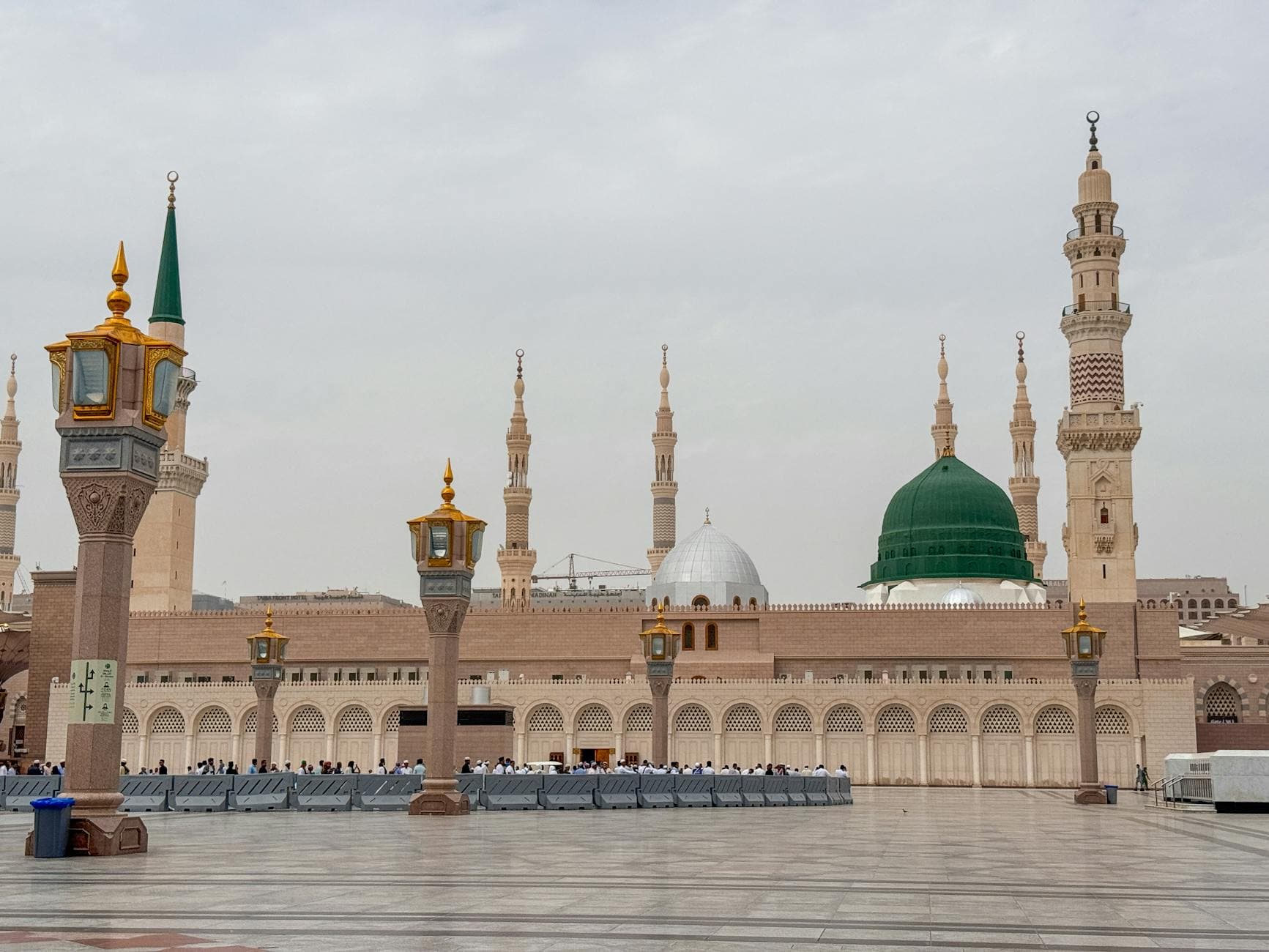
In the heart of what was once ancient Nineveh, the city now known as Mosul, a profound chapter of Islamic heritage has been reopened. Twelve years after its tragic destruction, the Prophet Yunus (Jonah) Mosque stands tall once more, its minarets reaching for the sky, echoing the call to prayer. The recent news of its rebuilding and the first Friday prayers being held within its sacred walls has sent a wave of inspiration and renewed hope across the Muslim world. This momentous occasion is not just about a structure; it's a powerful testament to the unwavering spirit of faith, resilience, and community that defines the Islamic Ummah.
The Revered Prophet Yunus (Jonah) and His Enduring Story
At the core of this mosque's significance lies the story of Prophet Yunus (peace be upon him), a figure revered in Islam, Christianity, and Judaism. Known as Jonah in Western traditions, his narrative is a profound lesson in repentance, perseverance, and Allah's boundless mercy. Prophet Yunus was sent by Allah to the people of Nineveh, a thriving city known for its idolatry and disobedience. He called them to the worship of the One God, but they largely rejected his message.
Overwhelmed by their rejection and fearing Allah's wrath upon them, Yunus became impatient and departed from his mission without Allah's explicit permission. In a moment of despair, he boarded a ship, which soon encountered a violent storm. To lighten the load, lots were cast to identify who among them had brought divine displeasure, and the lot fell upon Yunus. He was subsequently thrown into the sea, where he was swallowed by a gigantic fish or whale.
Imprisoned in the darkness of the whale's belly, Yunus realized his mistake and turned to Allah in sincere repentance, uttering a powerful supplication:
"And [mention] Dhun-Nun, when he went off in anger and thought that We would not decree [anything] upon him. But he called through the darkness, 'There is no deity except You; exalted are You. Indeed, I have been of the wrongdoers.' So We responded to him and saved him from the distress. And thus do We save the believers."
(Quran, Surah Al-Anbiya 21:87-88)
Allah, in His infinite mercy, accepted Yunus's repentance. The whale cast him onto the shore, weak but alive. He returned to Nineveh to find that his people, after his initial departure, had themselves repented and accepted faith. This unique aspect of his story – where an entire nation repented and averted divine punishment – highlights Allah's immense compassion and the power of sincere repentance. The story of Prophet Yunus serves as a timeless reminder that even in the darkest of moments, turning to Allah with humility and sincerity can bring salvation and renewal.
The Mosque: A Beacon of Faith and Community
For centuries, the Prophet Yunus Mosque stood atop Nebi Yunus hill in Mosul, revered not only as a place of worship but also as a historical monument believed to house the tomb of Prophet Yunus. Its majestic presence made it a spiritual anchor for the local community and a significant landmark for Muslims worldwide. More than just bricks and mortar, mosques are the spiritual hearts of Muslim communities. They are:
- Centers of Worship: The primary function of a mosque is to facilitate congregational prayers, fostering unity and devotion.
- Hubs of Learning: Traditionally, mosques have been centers for Islamic education, Quranic studies, and religious discourse.
- Community Meeting Points: They serve as gathering places for social events, discussions, and mutual support, strengthening the bonds of brotherhood and sisterhood.
- Sources of Tranquility: Mosques offer a sanctuary for reflection, remembrance of Allah (dhikr), and seeking inner peace.
The Quran emphasizes the lofty status of those who maintain mosques:
"The mosques of Allah are only to be maintained by those who believe in Allah and the Last Day and establish prayer and give zakah and do not fear except Allah. For it is expected that those will be of the [rightly] guided."
(Quran, Surah At-Tawbah 9:18)
This verse underscores that contributing to the upkeep and vitality of mosques is a sign of true faith and devotion. The Prophet (peace be upon him) further highlighted their significance, stating:
"Whoever builds a mosque for Allah, Allah will build for him a house in Paradise."
(Sahih Bukhari, Hadith 450; Sahih Muslim, Hadith 533)
The destruction of the Prophet Yunus Mosque in 2014 by extremist groups was a profound loss, not only for the people of Mosul but for the entire global Muslim community. It was an attack on history, faith, and the very symbols of Islamic identity. Yet, the devastation was met not with despair, but with an unyielding resolve to rebuild.
A Journey of Reconstruction: A Testament to Resilience and Hope
The twelve-year journey from destruction to reconstruction is a powerful narrative of collective effort and steadfastness (istiqamah). The rebuilding project, spearheaded by UNESCO in partnership with the local Iraqi authorities and with generous support from the United Arab Emirates, symbolizes a triumph over adversity. It involved meticulous archaeological work, careful reconstruction efforts, and the tireless dedication of countless individuals.
This endeavor reflects several core Islamic principles:
- Sabr (Patience): The long and arduous process of rebuilding required immense patience and perseverance from all involved.
- Tawakkul (Reliance on Allah): Trusting in Allah's plan and assistance, even when facing seemingly insurmountable challenges.
- Ukhoowah (Brotherhood): The collaboration between different entities and nations highlights the universal bond of the Muslim Ummah and humanity's shared responsibility to preserve heritage.
The rebuilding process unearthed layers of history, revealing ancient Assyrian ruins beneath the mosque, further enriching the site's historical tapestry. This discovery underscored the enduring nature of human civilization and the layered history of the region.
The First Friday Prayer: A Moment of Renewal
The recent first Friday prayer at the rebuilt Prophet Yunus Mosque was more than just a religious ceremony; it was a deeply emotional and symbolic event. For the people of Mosul, it marked a significant step towards healing and reclaiming their spiritual and cultural identity. For Muslims worldwide, it served as a poignant reminder that darkness, no matter how profound, cannot extinguish the light of faith and hope.
This moment of renewal reverberates with the very essence of Prophet Yunus's story – a return from despair to hope, from darkness to light, and from separation to reconnection with the Divine. It stands as a powerful testament to Allah's promise to protect and preserve His religion and its sacred symbols, even through the hands of His devoted servants.
Lessons for the Modern Muslim
The story of the Prophet Yunus Mosque's destruction and rebirth offers invaluable lessons for every Muslim today:
-
Steadfastness in Faith (Istiqamah): Just as Prophet Yunus returned to his mission, and the community persisted in rebuilding, we are reminded to remain firm in our faith, especially during trials. Allah states:
"Indeed, those who have said, 'Our Lord is Allah' and then remained on a right course – the angels will descend upon them, [saying], 'Do not fear and do not grieve but receive good tidings of Paradise, which you were promised.'"
(Quran, Surah Fussilat 41:30)
-
The Power of Repentance and Du'a: Prophet Yunus's deliverance came through sincere repentance and supplication. This highlights the ever-open door of repentance and the immense power of du'a (prayer) in Islam.
-
Community and Unity (Ummah): The collaborative effort to rebuild the mosque underscores the importance of working together for a common good, supporting one another, and preserving our shared heritage.
-
Preserving Islamic Heritage: The rebuilding emphasizes the sacred duty to protect and cherish places of worship and historical sites that connect us to our rich past and future generations.
-
Hope and Optimism: Despite grave challenges, the project's completion is a beacon of hope, reminding us that with Allah's help, perseverance, and collective effort, even the most daunting tasks can be accomplished. True despair is not knowing that Allah's mercy encompasses everything.
Conclusion
The rebuilding of the Prophet Yunus Mosque in Mosul is a powerful narrative of resurrection, not just of a physical structure, but of hope, faith, and the unbreakable spirit of the Muslim Ummah. It draws upon the timeless lessons from the life of Prophet Yunus – patience, repentance, and unwavering trust in Allah. As we witness this glorious rebirth, let us reflect on these profound messages and strive to embody the resilience and spiritual strength that characterize the enduring legacy of Islam. May Allah bless all those who contributed to this noble effort and make the mosque a beacon of guidance and peace for generations to come.