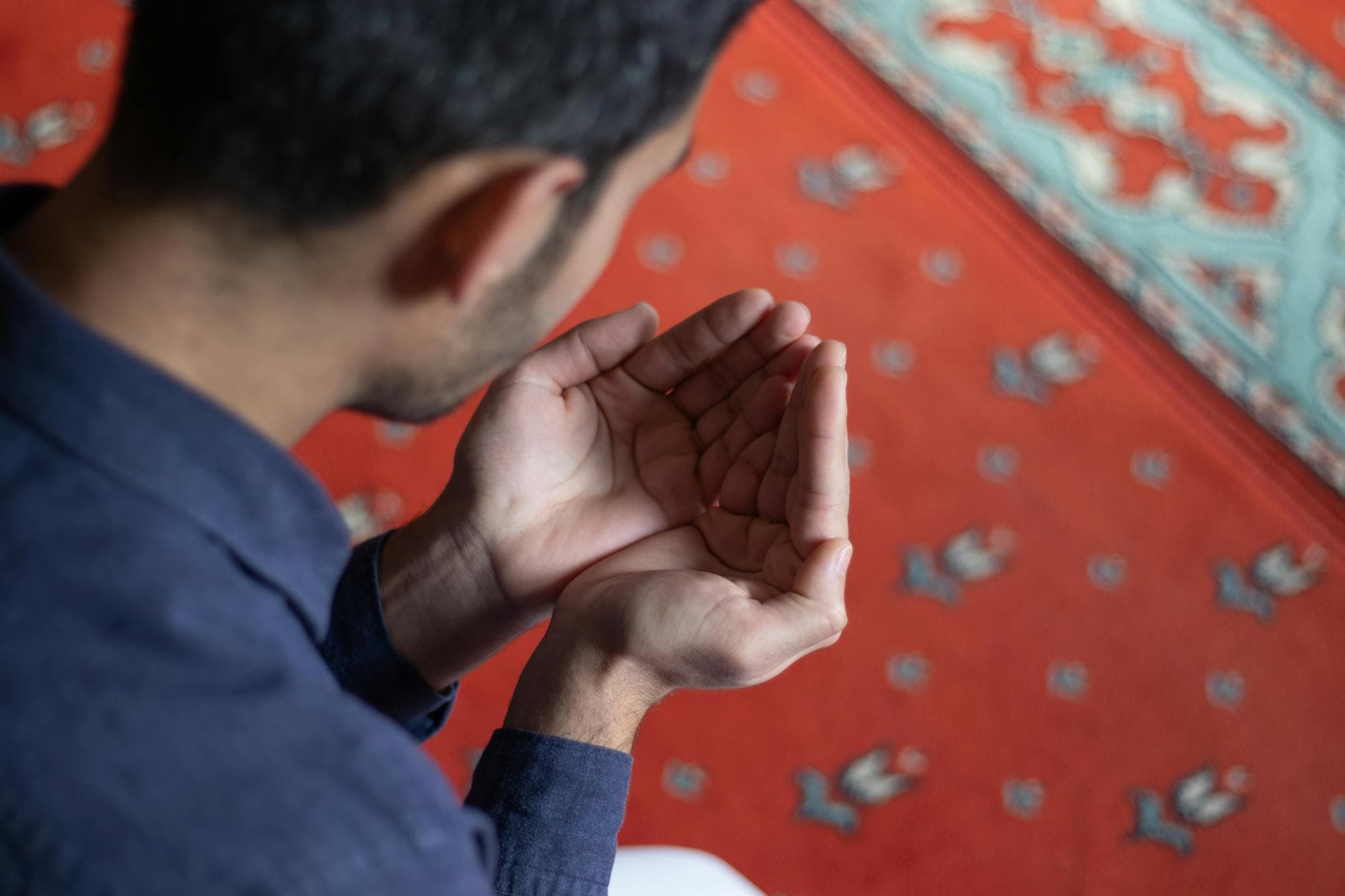
The Beautiful Path of Shukr: Embracing Gratitude in Islam for a Fulfilling Life
In the tapestry of Islamic teachings, few threads are as vibrant and vital as Shukr, the Arabic word for gratitude or thankfulness. It is more than just a fleeting emotion; Shukr is a profound state of being, an active recognition of Allah's blessings, and a cornerstone of a believer's relationship with their Creator. For both new Muslims and those striving to deepen their faith, understanding and embodying Shukr is a journey towards inner peace, contentment, and a life truly lived in accordance with divine will.
What is Shukr? A Deeper Look into Islamic Gratitude
Shukr encompasses acknowledging all of Allah's bounties, both seen and unseen. It means recognizing that every breath we take, every morsel we eat, every moment of peace, health, and provision comes directly from Him. It's a continuous process of appreciation that transforms our perspective, shifting our focus from what we lack to the countless blessings we possess.
Allah (SWT) reminds us in the Quran:
"And if you should count the favor of Allah, you could not enumerate them. Indeed, Allah is Forgiving and Merciful." (Quran 16:18)
This verse beautifully illustrates the immensity of Allah's favors and the impossibility of fully counting them, underscoring the constant need for gratitude. It's an invitation to pause, reflect, and internalize this profound truth.
The Quranic Emphasis on Shukr
The Quran is replete with verses urging believers to be grateful, making it clear that Shukr is not merely a desirable trait but a fundamental aspect of faith. Allah (SWT) promises to increase the blessings of those who show gratitude and warns against ingratitude.
Consider these powerful verses:
"So remember Me; I will remember you. And be grateful to Me and do not deny Me." (Quran 2:152)
This verse establishes a direct link between our remembrance of Allah, our gratitude, and His remembrance of us. It's a divine promise that when we appreciate His favors, He reciprocates by blessing us further. The command "do not deny Me" serves as a strong caution against kufr an-ni'am, or ingratitude, which is akin to denying the source of blessings.
Another profound declaration is:
"And [remember] when your Lord proclaimed, 'If you are grateful, I will surely increase you [in favor]; but if you deny, indeed, My punishment is severe.'" (Quran 14:7)
Here, Allah explicitly states the reward for gratitude: an increase in favor. This isn't just a spiritual increase, but often manifests in tangible ways in our lives – more peace, more contentment, more provision, and better relationships. Conversely, the warning against ingratitude serves as a powerful deterrent, highlighting the severity of denying Allah's blessings.
Even in times of hardship, the Quran encourages gratitude, teaching us to find blessings even within trials:
"And We will surely test you with something of fear and hunger and a loss of wealth and lives and fruits, but give good tidings to the patient, who, when disaster strikes them, say, 'Indeed we belong to Allah, and indeed to Him we will return.' Those are the ones upon whom are blessings from their Lord and mercy. And it is those who are the [rightly] guided." (Quran 2:155-157)
While not explicitly mentioning Shukr, these verses highlight the mindset that allows one to be grateful even in adversity – acknowledging Allah's dominion and trusting in His plan. This profound level of faith is intertwined with the essence of gratitude.
Prophetic Teachings: The Exemplar of Gratitude (Shukr)
The Prophet Muhammad (peace be upon him) was the embodiment of Shukr, his life serving as the ultimate guide for a grateful existence. His actions and sayings (Hadith) provide practical insights into cultivating thankfulness.
It is narrated that Aisha (RA) said:
"When the Messenger of Allah (ﷺ) prayed, he used to stand till his feet swelled. I said to him, 'O Messenger of Allah! Has Allah not forgiven you all your sins of the past and those to follow?' He said, 'Shall I not be a grateful slave?'" (Sahih Bukhari, Book 60, Hadith 380; Sahih Muslim, Book 52, Hadith 4)
This Hadith is incredibly powerful. Despite being assured of divine forgiveness, the Prophet (PBUH) saw his devotion and worship as an expression of gratitude for Allah's immense blessings. It teaches us that Shukr is an active, ongoing process, manifested through worship and good deeds, not just words.
The Prophet (PBUH) also taught us simple yet profound ways to express gratitude in daily life. For instance, after eating or drinking, he would say Alhamdulillah (All praise is due to Allah).
Anas ibn Malik reported:
The Messenger of Allah (ﷺ) said, "Indeed, Allah is pleased with His servant who eats a meal and praises Him for it, or drinks a drink and praises Him for it." (Sahih Muslim, Book 35, Hadith 59)
This Hadith highlights that gratitude for even the simplest of blessings is deeply cherished by Allah. It encourages us to find opportunities for Shukr in every moment, turning mundane actions into acts of worship.
Furthermore, the Prophet (PBUH) advised comparing ourselves to those less fortunate to foster gratitude:
Abu Huraira reported the Messenger of Allah (ﷺ) as saying, "Look at those who are beneath you and do not look at those who are above you, for it is more suitable that you should not consider as less the bounty of Allah upon you." (Sahih Muslim, Book 55, Hadith 23)
This prophetic wisdom guides us away from envy and towards a greater appreciation for our own circumstances, reminding us that there are always others facing greater challenges, thus making our blessings shine brighter.
The Three Dimensions of Shukr: Heart, Tongue, and Limbs
Shukr is not confined to mere verbal expression; it encompasses three vital dimensions:
1. Gratitude of the Heart (Shukr al-Qalb)
This is the inner conviction and acknowledgment that all blessings originate from Allah. It involves feeling genuine appreciation, love, and awe for His generosity. It's a deep, internal state of humility and recognition of our dependence on Him. This is the foundation upon which other forms of gratitude are built.
2. Gratitude of the Tongue (Shukr al-Lisan)
This involves verbally expressing thanks to Allah. The most common and beloved expression is Alhamdulillah (All praise and thanks belong to Allah). Other forms include reciting specific du'as (supplications) of gratitude, praising Allah through dhikr (remembrance), and encouraging others to be grateful. The Prophet (PBUH) exemplified this by consistently praising Allah.
3. Gratitude of the Limbs (Shukr al-Jawarih)
This is the most active form of gratitude, where one uses Allah's blessings in ways that please Him. If Allah has blessed you with wealth, you show gratitude by giving charity, helping the needy, and spending on righteous causes. If He has blessed you with knowledge, you share it and use it to benefit humanity. If He has given you health and strength, you use it for acts of worship like prayer, fasting, and striving in His path. This practical gratitude ensures that our blessings become a means to draw closer to Allah, rather than leading us astray.
The Profound Benefits of Embracing Shukr
Cultivating a grateful heart brings forth an abundance of benefits, both in this life and the Hereafter:
- Increase in Blessings (Barakah): As promised in Quran 14:7, gratitude is directly linked to an increase in Allah's favors. This increase may not always be material; it could be in peace, contentment, strong faith, or ease in affairs.
- Contentment and Inner Peace: A grateful person is less likely to feel deprived or envious. They find joy in what they have, leading to profound inner peace and satisfaction (qana'ah).
- Stronger Connection with Allah: Constant remembrance of Allah's blessings naturally strengthens one's bond with the Creator. It fosters love, reverence, and reliance on Him.
- Resilience and Patience (Sabr): Gratitude helps us navigate trials with a positive outlook. When we are grateful for past blessings, we can better endure current difficulties, knowing that Allah's wisdom prevails. Shukr and Sabr often go hand-in-hand, as true gratitude includes being patient during hardship.
- Positive Outlook and Optimism: A grateful mindset trains the heart to see the good in every situation, fostering optimism and hope, even in challenging times.
- Reward in the Hereafter: The ultimate reward for a grateful servant is Allah's pleasure and the promise of Jannah (Paradise).
Practical Steps to Cultivate Shukr in Daily Life
Developing a grateful heart is a continuous practice. Here are some actionable steps:
- Start and End Your Day with Gratitude: Begin your day by thanking Allah for waking you up, for your health, and for the new day. End it by reflecting on all the blessings, big and small, that you experienced.
- Regular Dhikr: Engage in frequent remembrance of Allah, especially through phrases like Alhamdulillah, Subhanallah, and Allahu Akbar. These phrases purify the heart and remind us of Allah's majesty and generosity.
- Perform Salah with Khushu' (Devotion): Prayer is a profound act of gratitude. Focus on the blessings during your prostrations, feeling humble before your Creator.
- Practice Sadaqah (Charity): Giving from what Allah has blessed you with is a powerful way to show gratitude for your wealth and resources.
- Reflect on the Quran: Regularly read and ponder over verses about Allah's favors and the importance of Shukr. Let the words penetrate your heart.
- Visit Those Less Fortunate: As advised by the Prophet (PBUH), observing the struggles of others can instantly remind us of our own blessings and cultivate deep gratitude.
- Keep a Gratitude Journal: Write down specific things you are grateful for each day. This conscious effort helps train your mind to notice blessings.
- Make Du'a of Gratitude: Regularly make supplications thanking Allah for specific blessings. The Prophet (PBUH) had many such prayers.
Guarding Against Ingratitude (Kufr an-Ni'am)
Just as Shukr brings immense rewards, its opposite, kufr an-ni'am (ingratitude or denial of blessings), carries severe warnings. Ingratitude often manifests as:
- Complaining constantly: Focusing on what one lacks rather than what one has.
- Taking blessings for granted: Failing to appreciate health, family, home, or peace until they are gone.
- Attributing success solely to oneself: Forgetting that all capabilities and opportunities come from Allah.
- Using blessings for disobedience: Employing wealth, health, or knowledge in ways that displease Allah.
Recognizing these pitfalls helps us to consciously steer clear of them and maintain a state of gratitude.
Conclusion: The Enduring Beauty of a Grateful Heart
The path of Shukr is a beautiful and transformative journey. It is a constant reminder of Allah's boundless generosity and our humble position as His servants. By embracing gratitude of the heart, tongue, and limbs, we not only fulfill a fundamental command of Islam but also unlock a life filled with contentment, spiritual growth, and an ever-deepening connection with our Creator. May Allah make us among His truly grateful servants. Amin.