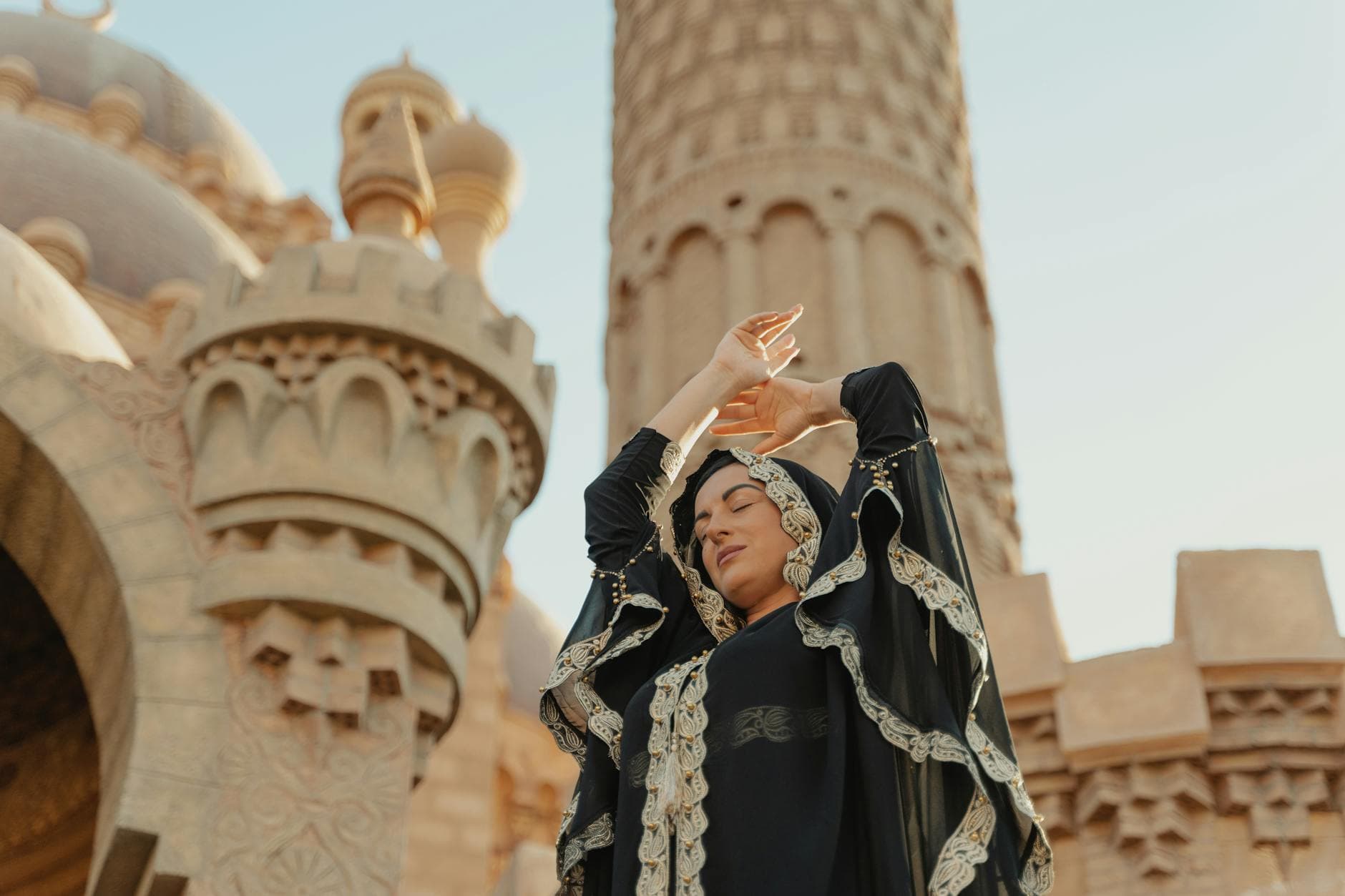
The Beautiful Journey: Embracing Islam and Taking Your First Steps
In a world of diverse beliefs and paths, the decision to embrace Islam is a profoundly personal and spiritual journey, often marked by deep contemplation and heartfelt conviction. For those who have recently uttered the Shahada – the declaration of faith – or are contemplating this momentous step, know that you are embarking on an incredibly rewarding and transformative path. This guide is crafted with warmth and encouragement, designed to illuminate the meaning of your new commitment and provide practical steps as you navigate the beautiful landscape of Islam.
A Momentous Declaration: Understanding the Shahada
The Shahada (الشَّهَادَة) is not just a phrase; it is the cornerstone of Islam, representing a complete submission to the One God (Allah) and an acknowledgement of Prophet Muhammad (peace be upon him) as His final messenger. It is the first of the five pillars of Islam, and its utterance with sincerity makes one a Muslim.
The Shahada consists of two parts:
-
"La ilaha illa Allah" (لَا إِلَٰهَ إِلَّا ٱللَّٰهُ): "There is no deity worthy of worship except Allah." This profound statement affirms the absolute oneness of God (Tawhid), rejecting all forms of idolatry and polytheism. It means believing that Allah is the sole Creator, Sustainer, and Lawgiver of the universe, and the only One truly deserving of our worship and devotion. He has no partners, no equals, and nothing resembles Him.
The Quran beautifully articulates this principle:
"Say, 'He is Allah, [who is] One, Allah, the Eternal Refuge. He has not begotten, nor has He been begotten, And there is none comparable to Him.'" (Quran 112:1-4)
-
"Muhammadur Rasulullah" (مُحَمَّدٌ رَسُولُ ٱللَّٰهِ): "Muhammad is the Messenger of Allah." This second part affirms belief in Prophet Muhammad (PBUH) as Allah's final prophet and messenger, sent to guide humanity. It entails believing in his prophethood, accepting the Quran as the word of Allah revealed to him, and striving to follow his Sunnah (way of life) as the practical embodiment of Islamic teachings.
The Prophet Muhammad (PBUH) is the perfect example for humanity, and following his guidance is integral to practicing Islam correctly. As Allah states in the Quran:
"Indeed, in the Messenger of Allah you have a good example to follow for whoever hopes in Allah and the Last Day and remembers Allah often." (Quran 33:21)
Embracing the Shahada is a spiritual rebirth. The Prophet Muhammad (PBUH) said:
"Islam demolishes all the previous sins." (Sahih Muslim)
This means that with a sincere Shahada, all your past misdeeds are forgiven, and you start anew, pure and unburdened, on a clean slate. What an immense mercy from Allah!
Your First Practical Steps After Shahada
Welcome to your new beginning! It’s natural to feel a mixture of excitement, curiosity, and perhaps a little overwhelm. Remember, Islam is a journey of continuous learning and growth. Don’t feel pressured to know everything at once. Take it one step at a time.
1. Purity (Taharah) and Prayer (Salah)
Salah, the ritual prayer, is the second pillar of Islam and a direct connection with Allah. It is performed five times a day, facing the Kaaba in Mecca.
-
Wudu (Ablution): Before praying, you must purify yourself through Wudu, a ritual washing of specific body parts. There are many excellent online guides and videos for learning Wudu. It’s simple to learn, and with practice, becomes second nature.
-
Learning to Pray: Start by learning the shortest chapter of the Quran, Surah Al-Fatiha, as it is recited in every prayer. There are also specific movements and supplications. Don't worry about memorizing everything instantly. Many resources (books, apps, online videos, local mosque classes) offer step-by-step prayer guides. You can even pray with a transliteration or by observing others until you memorize.
The importance of Salah is emphasized throughout the Quran and Hadith:
"Indeed, prayer prohibits immorality and wrongdoing, and the remembrance of Allah is greater. And Allah knows that which you do." (Quran 29:45)
The Prophet Muhammad (PBUH) said:
"The head of the matter is Islam, its pillar is the prayer, and its highest peak is Jihad for Allah's Cause." (Jami' at-Tirmidhi)
2. Learning the Quran
The Quran is the literal word of Allah, a guide for all humanity. While learning Arabic is a beautiful goal, start by reading translations in your preferred language. Focus on understanding its messages, stories, and guidance.
- Start Small: Begin with short chapters (Surahs) or verses that resonate with you.
- Listen to Recitations: Listening to the Quran recited beautifully can help you connect with its rhythm and meaning, even if you don't understand the Arabic yet.
- Find a Teacher: If possible, find a trusted Muslim sister or brother, or attend classes at a local mosque, to learn proper recitation (Tajweed) and understanding.
3. Understanding Core Beliefs (Iman)
Islam is built upon six articles of faith. Familiarizing yourself with these will strengthen your foundation:
- Belief in Allah (Tawhid): His oneness, attributes, and uniqueness.
- Belief in Angels: Messengers and servants of Allah.
- Belief in Holy Books: The Quran, Torah, Gospel, Psalms, etc., as revealed by Allah.
- Belief in Prophets and Messengers: Adam, Noah, Abraham, Moses, Jesus, Muhammad (peace be upon them all), as Allah's chosen guides.
- Belief in the Day of Judgment: Accountability for our deeds and resurrection.
- Belief in Divine Decree (Qadar): That Allah has knowledge and power over all things, but also grants us free will.
4. Connect with the Muslim Community
Isolation can be challenging on any spiritual path. Seek out your local mosque or Islamic center. These are places of worship, learning, and community.
-
Attend Prayers: Even if you don't know the full prayer yet, stand in the congregation and observe. The feeling of unity is powerful.
-
Seek Knowledge: Many mosques offer classes, study circles (halaqat), and events for new Muslims. Don't hesitate to ask questions.
-
Find Mentors: Connect with knowledgeable and practicing Muslims who can guide and support you. Building a network of Muslim friends is incredibly beneficial.
The Prophet Muhammad (PBUH) emphasized the importance of community and seeking knowledge:
"Whoever follows a path in the pursuit of knowledge, Allah will make easy for him a path to Paradise." (Sahih Muslim)
5. Patience and Self-Compassion
Your journey will have its ups and downs. There will be days you feel incredibly strong in your faith, and days you feel challenged or overwhelmed. This is normal.
- Gradual Learning: Islam emphasizes ease, not hardship. Don't try to implement everything at once. Focus on the essentials first, like Salah, and gradually add more practices as you feel ready.
"Allah intends for you ease and does not intend for you hardship." (Quran 2:185)
- Be Kind to Yourself: Perfection is not the goal; sincere effort is. If you make a mistake, seek Allah's forgiveness and try again. Don't let Shaytan (Satan) whisper despair into your heart.
Living Islam: A Holistic Approach
Islam is not just a religion; it's a complete way of life that encompasses every aspect of our existence.
1. Character and Ethics (Akhlaq)
Perhaps the most visible aspect of Islam is the character of a Muslim. Strive to embody Islamic values in your daily interactions:
-
Honesty and Trustworthiness: Always speak the truth and fulfill your promises.
-
Kindness and Compassion: Show mercy to all creation, human and animal.
-
Patience and Forbearance: In the face of adversity and provocation.
-
Humility and Modesty: Avoid arrogance and boastfulness.
The Prophet Muhammad (PBUH) said:
"The most beloved of Allah's servants to Allah are those who are best in character." (Jami' at-Tirmidhi)
2. Dietary Laws (Halal)
Muslims consume halal (permissible) food and avoid haram (forbidden) food, most notably pork and alcohol. Learn the basics of halal consumption and try to incorporate it into your diet. Most major grocery stores now have halal sections or products.
3. Modesty (Hijab and Dress)
Modesty in dress is an important principle in Islam for both men and women. For women, this often includes wearing a hijab (headscarf) and loose clothing. For men, it involves covering from the navel to the knee and generally dressing modestly. This is a personal journey, and you can learn more about it at your own pace. The essence is to dress in a way that promotes dignity and prevents undue attention.
Addressing Common Concerns for New Muslims
What about my family and friends?
This can be one of the most challenging aspects. Approach your loved ones with kindness, patience, and understanding. Share your reasons for embracing Islam respectfully. Remember that their reactions may stem from love, concern, or misunderstanding. Continue to show them good character and pray for them.
What about my past sins?
As mentioned earlier, embracing Islam sincerely wipes away all previous sins. This is a profound mercy from Allah. Focus on building good deeds from now on.
I feel overwhelmed by all the rules and information.
It's a common feeling! Remember the principle of gradualism. No one expects you to become an overnight scholar or perfectly observant Muslim. Focus on the fundamentals, seek knowledge steadily, and prioritize what's most important (like Salah). Allah judges you by your intentions and efforts.
Conclusion: A Lifelong Journey of Growth
Embracing Islam is the beginning of a magnificent journey, a path of peace, purpose, and profound connection with your Creator. It is a journey of continuous learning, self-improvement, and drawing closer to Allah.
Welcome home. May Allah bless your steps, ease your path, and grant you steadfastness and joy in your beautiful new life as a Muslim. We are all here to support each other on this blessed path. If you have questions, never hesitate to seek answers from knowledgeable sources within the Muslim community.
May Allah increase you in knowledge and faith, and make you a source of good for all humanity. Ameen.