Tawhid: The Foundational Principle of Islam & Oneness of Allah
In the vast and beautiful tapestry of Islam, there exists a single, shining thread that runs through every teaching, every act of worship, and every reflection: Tawhid. This Arabic term, often translated as "monotheism" or "the Oneness of Allah," is far more than just a concept; it is the very bedrock upon which the entire edifice of Islam is built. For a new Muslim, understanding Tawhid is the first step towards a true connection with their Creator. For a practicing Muslim, a deeper comprehension of Tawhid strengthens faith, purifies intentions, and brings immense peace.
What is Tawhid?
Tawhid refers to the absolute, unequivocal belief in the oneness, uniqueness, and indivisibility of Allah (God). It means affirming that Allah is the sole Creator, Sustainer, Provider, and Controller of the universe, and that He alone is worthy of worship. It's not merely acknowledging that there's one God, but understanding that He has no partners, no equals, no rivals, and no associates in any of His attributes or actions.
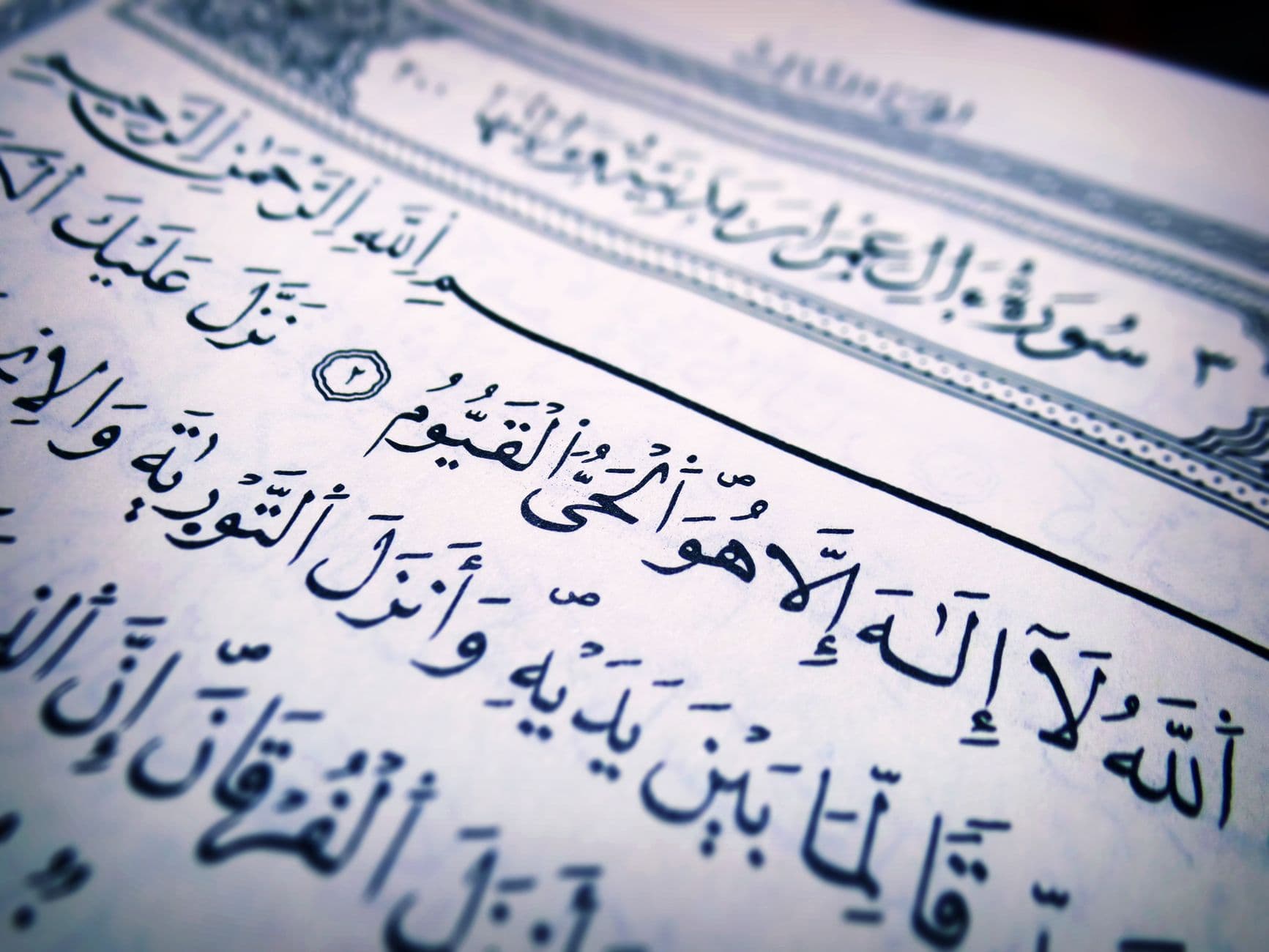
The declaration of Tawhid is encapsulated in the Shahada, the first pillar of Islam: "La ilaha illallah" – "There is no deity worthy of worship except Allah." This profound statement is simple in words but infinite in meaning, transforming one's entire worldview and purpose in life.
Allah (SWT) emphasizes His uniqueness in the Quran:
"Say, 'He is Allah, [who is] One, Allah, the Eternal Refuge. He has not begotten, nor has He been begotten, And there is none comparable to Him.'" (Quran 112:1-4)
This surah, known as Surah Al-Ikhlas (The Purity), perfectly summarizes the essence of Tawhid. It teaches us that Allah is utterly unique, independent, and complete in His perfection.
The Three Dimensions of Tawhid
Islamic scholars traditionally categorize Tawhid into three main dimensions to help us grasp its comprehensive nature. These dimensions are intertwined and essential for a complete understanding:
1. Tawhid ar-Rububiyyah (Oneness of Lordship)
This aspect of Tawhid affirms that Allah is the One, unique Lord of the entire universe. He is the sole Creator, Sustainer, Provider, Giver of life and death, and Controller of all affairs. There is no other creator or manager of the cosmos besides Him. Every creature, from the smallest microbe to the largest galaxy, is utterly dependent on Him for its existence and sustenance.
Even pre-Islamic Arabs, despite their idolatry, generally acknowledged Allah as the supreme Creator. The Quran often appeals to this innate recognition:
"And if you asked them, 'Who created the heavens and the earth and subjected the sun and the moon?' They would surely say, 'Allah.' So how are they deluded?" (Quran 29:61)
Belief in Tawhid ar-Rububiyyah fosters a deep sense of reliance on Allah alone for all needs and fears. It liberates the heart from dependence on creation, knowing that ultimate power and provision rest solely with the Creator.
2. Tawhid al-Uluhiyyah (Oneness of Worship)
This is perhaps the most crucial and demanding aspect of Tawhid, and the primary purpose of sending prophets and revelations. Tawhid al-Uluhiyyah means that Allah alone is worthy of all forms of worship, and thus all worship must be directed exclusively to Him. This includes physical acts like prayer (Salah), fasting (Sawm), charity (Zakat), and pilgrimage (Hajj), as well as internal acts of worship like love, fear, hope, reliance, and humility.
Directing any act of worship, whether external or internal, to anyone or anything other than Allah constitutes Shirk (polytheism or associating partners with Allah), which is the gravest sin in Islam.
Allah explicitly commands this in the Quran:
"And your Lord has decreed that you not worship except Him, and to parents, good treatment." (Quran 17:23)
The Prophet Muhammad (peace be upon him) continuously emphasized this. In a famous Hadith, Mu'adh ibn Jabal (RA) reported:
"The Messenger of Allah (ﷺ) said, 'O Mu'adh, do you know what is the right of Allah upon His slaves and what is the right of the slaves upon Allah?' I said, 'Allah and His Messenger know best.' He said, 'The right of Allah upon His slaves is that they worship Him and associate nothing with Him, and the right of the slaves upon Allah is that He does not punish anyone who does not associate anything with Him.'" (Sahih Bukhari 6535, Sahih Muslim 30)
This Hadith beautifully summarizes the essence of Tawhid al-Uluhiyyah: worship Allah alone, without associating partners, and in return, salvation is promised.
3. Tawhid al-Asma was-Sifat (Oneness of Names and Attributes)
This dimension of Tawhid involves affirming for Allah the perfect Names and Attributes with which He has described Himself in the Quran and through His Prophet Muhammad (peace be upon him), without:
- Ta'teel (Denial): Denying any of Allah's Names or Attributes.
- Tahrif (Distortion): Distorting their meanings.
- Takyeef (Questioning how): Asking how His attributes are, as His essence is beyond human comprehension.
- Tamtheel (Resemblance): Comparing or likening Allah's attributes to those of His creation.
We affirm that Allah is Ar-Rahman (The Most Merciful), Al-Hakeem (The All-Wise), Al-Baseer (The All-Seeing), As-Sami' (The All-Hearing), and so on, in a manner befitting His Majesty, without Him resembling His creation in any way. His hearing is not like our hearing, nor His seeing like our seeing.
"There is nothing like unto Him, and He is the All-Hearing, the All-Seeing." (Quran 42:11)
Understanding Tawhid al-Asma was-Sifat helps us appreciate Allah's infinite perfection and distinguishes Him from all creation. It encourages us to call upon Him by His beautiful Names and reflect on their meanings, deepening our awe and love for Him.
The Profound Impact of Tawhid on a Muslim's Life
Embracing Tawhid fully has transformative effects on an individual's spiritual, mental, and emotional well-being:
- True Freedom and Dignity: Tawhid liberates the human soul from servitude to anything in creation – people, desires, wealth, or superstitions. It instills immense dignity, as a believer bows only to the Creator of all.
- Inner Peace and Tranquility: Knowing that all power and control belong to Allah, a believer finds immense peace. Worries and anxieties diminish, replaced by trust in Divine decree and wisdom.
- Clear Purpose in Life: Tawhid provides a definitive purpose: to worship Allah alone. This clear objective guides all actions and decisions, bringing meaning and direction.
- Moral Compass: The awareness of Allah's constant presence and knowledge (derived from Tawhid al-Asma was-Sifat) fosters piety, honesty, and justice, as one strives to please the One Who sees and knows all.
- Gratitude and Contentment: Recognizing Allah as the sole Provider for every blessing cultivates deep gratitude and contentment, regardless of worldly circumstances.
- Unshakeable Resilience: When hardships strike, the believer with strong Tawhid understands that they are from Allah's decree, designed for wisdom and growth, leading to patience and resilience.
Tawhid: The Antidote to Shirk
Just as Tawhid is the greatest virtue, Shirk (associating partners with Allah) is the gravest sin in Islam. It is the antithesis of Tawhid and the only sin that Allah has declared He will not forgive if one dies upon it without repentance.
"Indeed, Allah does not forgive association with Him, but He forgives what is less than that for whom He wills. And he who associates others with Allah has certainly fabricated a tremendous sin." (Quran 4:48)
Shirk can manifest in many forms, some obvious (like worshipping idols) and some subtle (like performing acts of worship to gain human praise, or believing someone other than Allah can grant wishes or protect from harm).
Strengthening one's Tawhid is the ultimate protection against Shirk. It means constantly purifying intentions, seeking knowledge, and remembering that only Allah can truly benefit or harm, give or withhold.
Practical Steps to Strengthen Your Tawhid
Cultivating a strong foundation in Tawhid is a lifelong journey. Here are some practical steps:
- Reflect on Allah's Creation: Ponder the intricate design of the universe, the balance of nature, the wonder of life. Each aspect testifies to the singular power and wisdom of Allah. This strengthens Tawhid ar-Rububiyyah.
- Deepen Your Knowledge of Allah's Names and Attributes: Learn about Allah's 99 Names (Asma al-Husna) and reflect on their meanings. This enhances Tawhid al-Asma was-Sifat.
- Purify Your Worship (Ikhlas): Constantly check your intentions. Ensure all acts of worship – prayers, charity, even good deeds – are performed solely for Allah's pleasure. This fortifies Tawhid al-Uluhiyyah.
- Recite and Reflect on the Quran: The Quran is replete with verses affirming Tawhid. Regular recitation with understanding will embed this core belief in your heart.
- Engage in Dhikr (Remembrance of Allah): Frequent remembrance, especially "La ilaha illallah", keeps the concept of Oneness alive in your consciousness.
- Make Dua (Supplication) Directly to Allah: Turn to Allah alone for all your needs, big or small. This reinforces dependence on Him and Him alone.
- Seek Knowledge: Learn from authentic Islamic sources about Tawhid and the dangers of Shirk to safeguard your faith.
Conclusion
Tawhid is the soul of Islam, the very essence of belief that defines a Muslim. It is the ultimate liberation, granting peace, purpose, and dignity. By understanding its dimensions – Tawhid ar-Rububiyyah, al-Uluhiyyah, and al-Asma was-Sifat – and striving to live by its profound implications, we draw closer to Allah and fulfill the very reason for our existence. May Allah strengthen our Tawhid and keep us firm upon His Oneness until our last breath. Ameen.