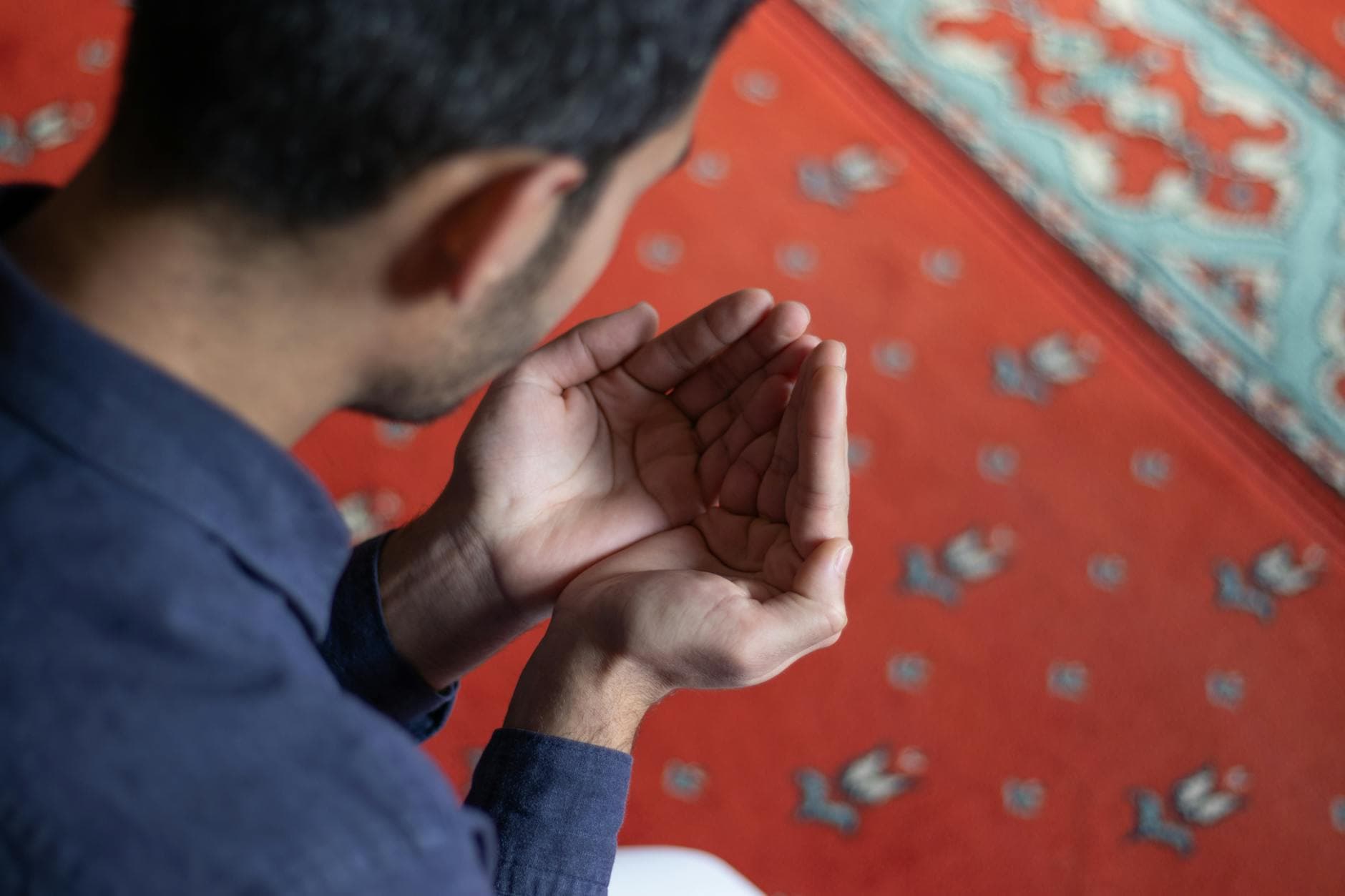
Shukr: Unlocking the Abundance of Gratitude in Islam
In a world often characterized by consumerism and a relentless pursuit of more, the concept of gratitude can sometimes feel overlooked. Yet, within the profound teachings of Islam, gratitude, known as Shukr, stands as a cornerstone of faith, a spiritual practice that promises not just contentment but also an increase in blessings from the Almighty. It’s more than just saying "thank you"; it’s a deeply embedded state of being, a constant awareness of Allah's countless favors upon us.
As Muslims, we are called to live lives of thankfulness, recognizing that every breath, every heartbeat, every provision, and every moment of ease is a direct gift from our Creator. This journey of gratitude is transformative, shifting our perspective from what we lack to what we have been generously given, thereby opening doors to immense spiritual and worldly benefits.
The Essence of Shukr: A Divine Commandment
Shukr is not merely a recommendation in Islam; it is a divine commandment and a fundamental characteristic of a believer. The Quran repeatedly emphasizes the importance of gratitude, linking it directly to our faith and our relationship with Allah (SWT).
Allah (SWT) states in the Holy Quran:
"Therefore remember Me, I will remember you, and be grateful to Me and do not deny Me." (Quran 2:152)
This verse beautifully illustrates a reciprocal relationship: when we remember Allah and show gratitude, He remembers us. It’s a powerful incentive to cultivate a thankful heart, knowing that our thankfulness is acknowledged and rewarded by the One Who owns everything.
Furthermore, Allah reminds us of our humble beginnings and the immense gifts bestowed upon us:
"And Allah brought you out from the wombs of your mothers while you knew nothing, and He made for you hearing and vision and hearts that perhaps you would be grateful." (Quran 16:78)
From the moment of our birth, we are recipients of His boundless mercy and provisions – our senses, our intellect, our very existence. These are fundamental blessings that often go unappreciated in our daily lives, yet they are the very tools through which we experience the world and worship our Lord.
Why Gratitude Matters: Promises of Increase and Contentment
The most compelling promise associated with Shukr is that it leads to an increase in blessings. Allah (SWT) explicitly declares:
"If you are grateful, I will surely increase you [in favor]; but if you deny, indeed, My punishment is severe." (Quran 14:7)
This verse is a profound testament to the power of gratitude. It's a divine guarantee: thankfulness attracts more good, while ingratitude can lead to the withdrawal of blessings. This increase isn't limited to material wealth; it encompasses peace of mind, strong faith, good health, loving relationships, and every conceivable form of good in this life and the Hereafter.
Beyond external blessings, gratitude fosters inner contentment (qana'ah). When we are grateful, we learn to appreciate what we have, rather than constantly yearning for what we don't. This mindset protects us from the diseases of envy, greed, and dissatisfaction, leading to a profound sense of inner peace and tranquility that no amount of material possessions alone can provide.
The Three Dimensions of Shukr
Shukr is not a monolithic concept; it manifests in different ways, touching upon every aspect of our being:
1. Gratitude of the Heart (Shukr al-Qalb)
This is the foundation of all gratitude. It involves recognizing and acknowledging deep within our hearts that all blessings, big or small, originate from Allah (SWT). It’s an inner conviction that cultivates humility and a profound sense of dependence on our Creator. This internal recognition purifies our intentions and strengthens our Tawheed (Oneness of Allah).
2. Gratitude of the Tongue (Shukr al-Lisaan)
This dimension involves verbally expressing thanks to Allah (SWT) for His favors. This includes:
- Saying Alhamdulillah (All praise and thanks belong to Allah): This is the most common and powerful expression of gratitude, often recited after eating, drinking, completing tasks, or simply reflecting on a blessing.
- Reciting Du'a (Supplication): Making specific prayers of thanks and praise to Allah, acknowledging His attributes and generosity.
- Sharing blessings: Speaking about the good Allah has bestowed upon us, not out of boastfulness, but as a means of thanking Him and inspiring others.
3. Gratitude of the Limbs/Actions (Shukr al-Jawaarih)
True gratitude extends beyond words to actions. It means utilizing the blessings Allah has given us in ways that are pleasing to Him and beneficial to ourselves and others. Examples include:
- Using our intellect for good: Seeking knowledge, pondering the signs of Allah, and using our minds to benefit humanity.
- Using our physical health in worship: Performing Salah (prayer), fasting, giving charity, and striving in the path of Allah.
- Using our wealth for charity: Spending in the way of Allah, supporting the needy, and contributing to good causes.
- Using our time wisely: Engaging in acts of worship, learning, and productive work.
Our beloved Prophet Muhammad (PBUH) epitomized this form of gratitude. Even though he was the most beloved of Allah, he would stand in prayer for such long periods that his feet would swell. When questioned by Aisha (RA) about this, he replied:
"Should I not be a grateful servant (of Allah)?" (Sahih Bukhari, Sahih Muslim)
This Hadith profoundly illustrates that gratitude is not just for the needy, but an essential trait for everyone, especially those who have been blessed abundantly.
Cultivating a Grateful Heart Daily
Developing a habit of gratitude requires conscious effort and consistent practice. Here are some practical steps:
-
Start and End Your Day with Thanks: Begin your day by thanking Allah for waking you up, for another day of life, and for the simple blessings around you. End your day by reflecting on the good that happened and expressing thanks.
-
Practice Mindful Reflection: Take a few moments each day to consciously think about specific blessings. It could be your health, your family, a warm meal, a safe home, the ability to read, or even the feeling of comfort. The more specific you are, the deeper your gratitude will be.
-
Regular Dhikr (Remembrance of Allah): Incorporate phrases like "Alhamdulillah," "Subhanallah," and "Allahu Akbar" into your daily routine. These acts of remembrance naturally shift your focus to the greatness and generosity of Allah.
-
Observe the World Around You: Look at nature, the intricate design of creation, the stars, the trees, the rain. Each is a sign of Allah's power and mercy, deserving of our gratitude.
-
Acknowledge the Efforts of Others: While ultimate gratitude is for Allah, we should also thank people who do good for us. The Prophet (PBUH) said:
"He who does not thank people, does not thank Allah." (Tirmidhi)
This teaches us that showing appreciation to others is a reflection of our gratitude to Allah, as He is the ultimate source of all good that comes through people.
-
Read and Ponder the Quran: The Quran is filled with verses that remind us of Allah's favors. Regularly reciting and reflecting on these verses can ignite and strengthen our gratitude.
-
Serve Others: Using our blessings – be it time, knowledge, or wealth – to help those less fortunate is a powerful way of showing gratitude through action. It reminds us of our own privileged position and the vastness of Allah's mercy.
Shukr and Sabr: Two Sides of the Same Coin
Gratitude (Shukr) is often discussed alongside patience (Sabr). These two virtues are interlinked and essential for a complete believer. While Shukr is showing thanks for blessings and ease, Sabr is enduring hardship and adversity with steadfastness and hope in Allah's plan.
A true believer exhibits Shukr in times of ease and Sabr in times of difficulty. This balance defines the life of a Muslim. The Prophet (PBUH) said:
"Wondrous is the affair of the believer, for there is good in every matter of his, and this is not the case with anyone except the believer. If he is given a blessing, he is grateful, and that is good for him. And if he suffers a calamity, he is patient, and that is good for him." (Sahih Muslim)
This Hadith beautifully summarizes the ideal state of a Muslim: one who is perpetually thankful in prosperity and patiently enduring in adversity, knowing that both states are tests and opportunities for spiritual growth.
Conclusion: The Path to a Blessed Life
Embracing Shukr is more than a mere religious obligation; it is a pathway to a richer, more abundant, and peaceful life. It shifts our focus from worldly anxieties to divine blessings, from fleeting desires to eternal rewards. By consciously cultivating gratitude in our hearts, expressing it with our tongues, and demonstrating it through our actions, we draw closer to Allah (SWT) and unlock His promise of increase.
Let us strive to be among "the grateful servants" mentioned in the Quran, allowing Shukr to be the guiding principle of our existence. In doing so, we not only fulfill a fundamental aspect of our faith but also discover profound contentment and true prosperity, both in this world and the Hereafter. May Allah make us all among those who are truly grateful. Ameen.