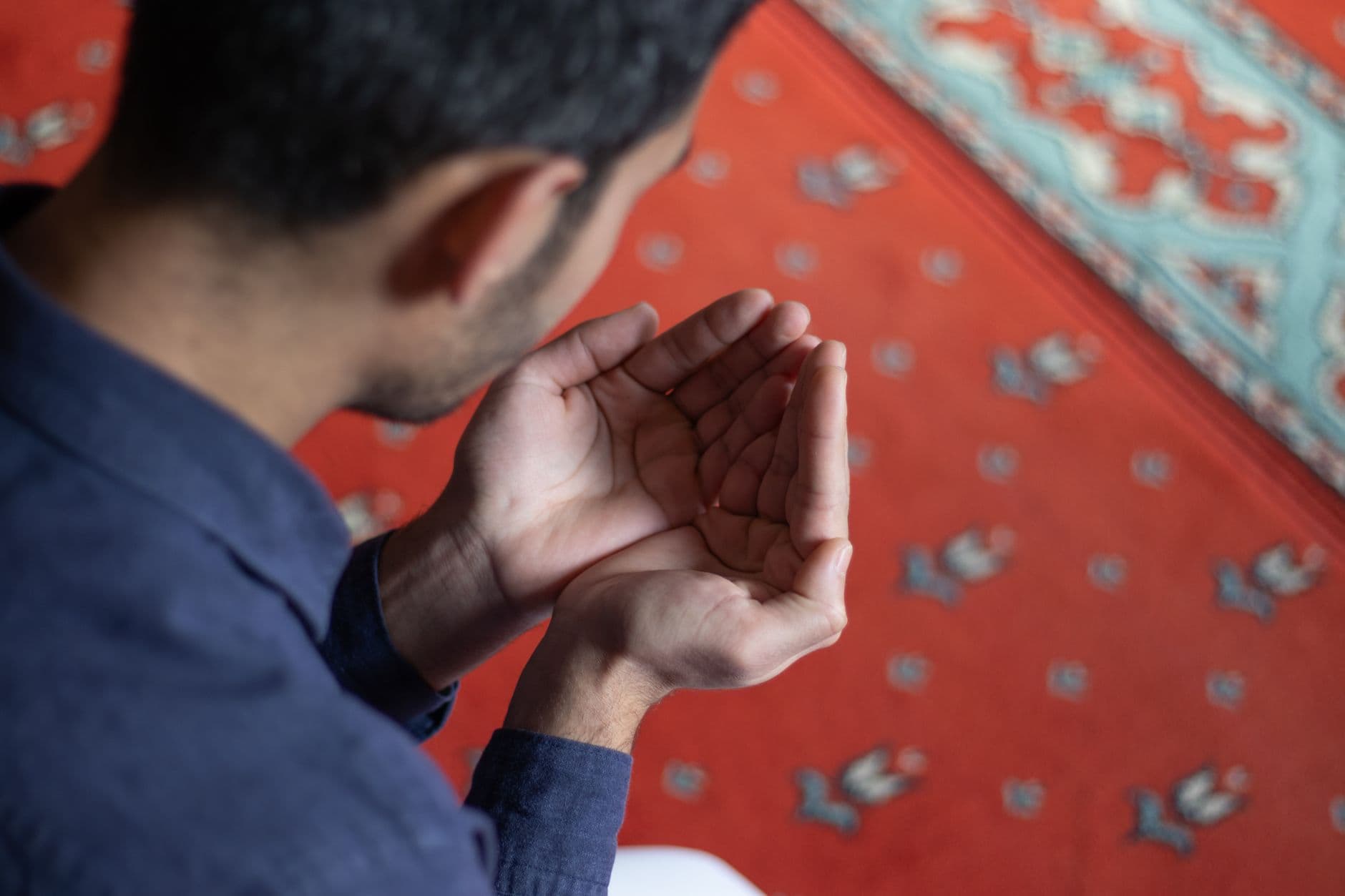
Shukr: The Profound Power of Gratitude in Islam and Daily Life
In the tapestry of Islamic teachings, gratitude, or Shukr (شُكْر), is a radiant thread that weaves through our faith, our actions, and our very outlook on life. It's more than just a fleeting feeling of thankfulness; it's a deep-seated recognition of Allah's countless blessings, a profound appreciation that transforms our hearts, purifies our intentions, and elevates our worship. For every Muslim, understanding and embodying Shukr is not just a desirable trait, but a fundamental pillar of faith and a pathway to immense spiritual and worldly success.
In a world often consumed by desires for more, the concept of gratitude provides a refreshing spiritual antidote, reminding us to pause, reflect, and appreciate what we already have. It's a practice that opens doors to contentment, peace, and a deeper connection with our Creator. Join us as we explore the essence of Shukr, its significance in the Quran and Sunnah, and practical ways to integrate this blessed virtue into every aspect of our lives.
What is Shukr?
Linguistically, Shukr means 'to thank', 'to praise', or 'to acknowledge a favor'. In an Islamic context, Shukr encompasses a three-dimensional approach to gratitude:
- Gratitude of the Heart (Qalb): Recognizing and acknowledging with sincerity that all blessings, big or small, originate from Allah (SWT). It’s an inner state of appreciation and contentment.
- Gratitude of the Tongue (Lisan): Expressing thanks verbally through words like 'Alhamdulillah' (All praise and thanks are due to Allah), and recounting Allah's favors.
- Gratitude of the Limbs (Jawarih): Utilizing the blessings Allah has bestowed upon us in ways that are pleasing to Him. This means using our health, wealth, knowledge, and time in obedience to Allah and for the benefit of His creation.
Imam Al-Ghazali, a renowned Islamic scholar, beautifully articulated that true gratitude involves three components: knowledge (of the blessing), state (the joy of receiving it), and action (using it in obedience to the Giver). This comprehensive understanding of Shukr makes it a dynamic and active form of worship, not merely a passive emotion.
The Divine Command to Be Grateful
Allah (SWT) repeatedly commands us to be grateful in the Quran, highlighting its immense importance and the blessings associated with it. Indeed, the Quran mentions gratitude in various forms over 70 times, making it a central theme of divine guidance.
"And [remember] when your Lord proclaimed, 'If you are grateful, I will surely increase you [in favor]; but if you deny, indeed, My punishment is severe.'" (Surah Ibrahim: 14:7)
This verse serves as a powerful reminder and a profound promise. Gratitude is a catalyst for blessings. When we acknowledge Allah's favors, He promises to multiply them. Conversely, ingratitude is met with a severe warning, emphasizing the gravity of taking Allah's blessings for granted.
Another verse states:
"So remember Me; I will remember you. And be grateful to Me and do not deny Me." (Surah Al-Baqarah: 2:152)
Here, Allah (SWT) links remembering Him directly to gratitude and warns against kufr an-ni'mah (denial of blessings), which is the opposite of Shukr. When we remember Allah, our hearts are filled with His greatness, leading naturally to a state of gratitude.
We are also reminded of the blessings of our very existence:
"And Allah has extracted you from the wombs of your mothers while you knew nothing, and He made for you hearing and vision and intellect that perhaps you would be grateful." (Surah An-Nahl: 16:78)
This verse underscores that our fundamental senses and intellect – our very tools for experiencing and understanding the world – are gifts from Allah, given so that we may use them to know Him and be grateful.
Exemplars of Shukr: Prophets in Islam
The lives of the Prophets (peace be upon them all) are replete with examples of profound gratitude, even in the face of immense trials.
Prophet Muhammad (PBUH)
The noblest example of Shukr is our beloved Prophet Muhammad (PBUH). Despite being the most beloved to Allah and having a guaranteed place in Jannah, he (PBUH) would stand in prayer for so long that his feet would swell. When Aisha (RA) asked him why he exerted himself so much, he replied:
"Should I not be a grateful servant?" (Sahih Bukhari: 4837, Sahih Muslim: 2820)
This Hadith perfectly illustrates the deep connection between gratitude and worship. For the Prophet (PBUH), gratitude wasn't just a feeling, but a continuous act of devotion.
Prophet Sulaiman (AS)
Prophet Sulaiman (AS) was blessed with unprecedented power, wealth, and control over jinn, animals, and winds. Yet, when he saw the throne of the Queen of Sheba brought to him in the blink of an eye, his immediate reaction was one of profound gratitude:
"This is from the favor of my Lord to test me whether I will be grateful or ungrateful. And whoever is grateful – he is only grateful for [the benefit of] himself. And whoever is ungrateful – then indeed, my Lord is Free of need and Generous." (Surah An-Naml: 27:40)
Sulaiman (AS) understood that his blessings were a test, and his gratitude was for his own spiritual benefit, not adding anything to Allah's Majesty.
Prophet Ayyub (AS)
Prophet Ayyub (AS) faced extreme tests of health and wealth, losing almost everything. Yet, the Quran depicts him as a patient and grateful servant of Allah, never losing hope or complaining against the divine decree. His unwavering Shukr and Sabr (patience) serve as an eternal lesson for humanity.
The Dimensions of Shukr: Heart, Tongue, and Limbs
To truly embody Shukr, we must engage all aspects of our being:
Gratitude of the Heart (Qalb)
This is the foundation. It's the inner conviction that every good thing in our lives – our health, family, sustenance, faith, even the air we breathe – is a direct gift from Allah. It means acknowledging His benevolence without attributing success solely to our own efforts or external factors. A grateful heart leads to contentment and shields us from envy and greed.
Gratitude of the Tongue (Lisan)
This is the verbal expression of our inner appreciation. The simplest and most profound way is to say 'Alhamdulillah' frequently. Prophet Muhammad (PBUH) taught us the virtue of this phrase:
"The best Dhikr (remembrance of Allah) is La ilaha illallah, and the best Dua (supplication) is Al-Hamdulillah." (Sunan At-Tirmidhi: 3383, graded Hasan Ghaib)
Reciting Quran, making Dua, and praising Allah are all forms of verbal Shukr. It also includes speaking well of Allah's favors to inspire others, not to boast.
Gratitude of the Limbs (Jawarih)
This is the practical manifestation of gratitude. It means using Allah's blessings in ways that please Him. For example:
- For health: Using our strength to pray, work productively, and help others.
- For wealth: Giving Sadaqah (charity), supporting our families, and avoiding extravagance.
- For knowledge: Sharing it, acting upon it, and using it to benefit humanity.
- For time: Spending it wisely in worship, learning, and beneficial activities.
As Prophet Muhammad (PBUH) said:
"There are two blessings which many people lose: health and free time." (Sahih Bukhari: 6412)
Utilizing these blessings wisely is a profound act of Shukr.
The Myriad Benefits of Shukr
Cultivating gratitude brings a wealth of benefits, both in this life and the Hereafter:
- Increase in Blessings: As promised in Surah Ibrahim (14:7), gratitude is a divine magnet for more blessings.
- Closeness to Allah: A grateful servant is beloved by Allah. Gratitude draws us closer to our Creator, strengthening our bond of servitude and love.
- Inner Peace and Contentment: Shukr shifts our focus from what we lack to what we have, fostering a deep sense of peace and satisfaction. It mitigates feelings of envy, greed, and dissatisfaction.
- Protection from Punishment: By fulfilling the command of Shukr, we avoid the severe warning associated with ingratitude.
- Spiritual Growth: Gratitude purifies the heart, softens it, and opens it to receiving more guidance and light from Allah.
- Patience and Resilience: When we are grateful, we are better equipped to face trials, seeing them through the lens of divine wisdom and trust in Allah's plan.
- Increased Rewards in the Hereafter: A grateful servant will undoubtedly receive a great reward from Allah in the Akhirah.
Overcoming Ingratitude and Cultivating Shukr
Sometimes, the challenges of life or the allure of worldly possessions can lead us to forget Allah's countless favors. Here are practical steps to overcome ingratitude and cultivate a grateful heart:
-
Reflection (Tafakkur): Take time daily to reflect on Allah's blessings, both obvious and hidden. Think about your senses, your health, your family, your sustenance, your faith, and even the simple fact of being alive. The sky, the rain, the food on your plate – all are signs of His boundless generosity.
-
Contemplation of the Less Fortunate: Look at those who have less than you. This helps put your own blessings into perspective and instills a sense of profound appreciation. The Prophet (PBUH) advised:
"Look at those who are beneath you, and do not look at those who are above you, for that is more suitable to prevent you from disdaining Allah’s blessings upon you." (Sahih Muslim: 2963)
-
Frequent Dhikr (Remembrance of Allah): Continuously remember Allah through phrases like 'Alhamdulillah', 'Subhanallah' (Glory be to Allah), 'Allahu Akbar' (Allah is the Greatest), and 'La ilaha illallah' (There is no god but Allah). These phrases are not just words; they are keys to unlocking a grateful heart.
-
Dua (Supplication): Ask Allah to make you among the grateful. Prophet Muhammad (PBUH) taught us a beautiful Dua:
"O Allah, help me to remember You, to thank You, and to worship You in the best of manners." (Sunan Abu Dawud: 1522, graded Sahih)
-
Using Blessings in Obedience: Actively use your health, wealth, time, and skills in ways that please Allah. This is the highest form of practical gratitude. Give charity, help others, spread knowledge, and establish your prayers diligently.
-
Gratitude Journal: Consider keeping a journal where you list at least three new things you are grateful for each day. This habit can re-train your mind to focus on blessings.
Shukr as a Lifestyle
Shukr is not an occasional act but a continuous state of being, a lens through which we view the world. It’s embedded in the very fabric of our daily lives as Muslims. When we wake up, we thank Allah for giving us another day. When we eat, we thank Him for sustenance. When we complete our prayers, we thank Him for guiding us. Even in moments of difficulty, a grateful heart finds reasons to thank Allah for the lessons, the purification, and the promise of ease after hardship.
Embracing Shukr means seeing Allah’s infinite mercy in every sunrise, every breath, every act of kindness we receive. It means understanding that every challenge is an opportunity for growth, and every ease is a sign of His boundless generosity. It is through this continuous awareness that we truly live as grateful servants of Allah, fulfilling one of the most beloved qualities to our Creator.
May Allah (SWT) make us all among His grateful servants, those upon whom He bestows His endless favors in this world and the Hereafter. Ameen.