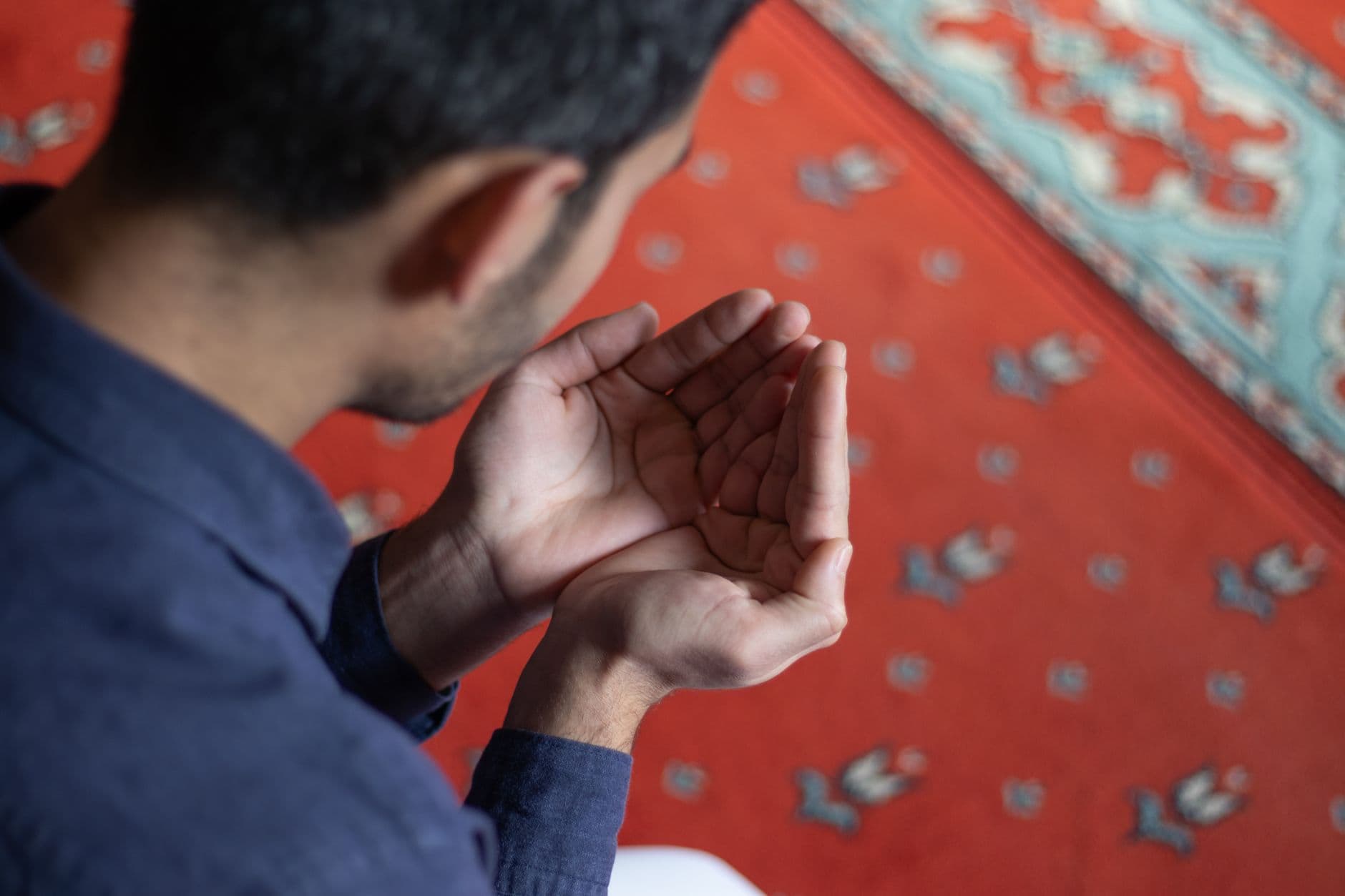
Shukr: The Path to Abundant Blessings and Inner Peace in Islam
In our fast-paced lives, it's easy to get caught up in a cycle of wanting more, achieving more, and constantly striving for the next big thing. While ambition is commendable, Islam teaches us a profound secret to true contentment and sustained growth: Shukr, or gratitude. More than just a fleeting feeling, Shukr is a holistic state of being, a cornerstone of faith that transforms our perception of life and our relationship with Allah (SWT).
What is Shukr? A Holistic Islamic Concept
Shukr is often translated simply as 'gratitude' or 'thankfulness,' but its meaning in Islam is far richer and deeper. It encompasses a three-dimensional approach:
- Shukr of the Heart: This is the internal acknowledgment and realization that all blessings, big or small, originate from Allah (SWT) alone. It's a deep-seated appreciation that moves beyond merely acknowledging a favor to recognizing the ultimate Giver.
- Shukr of the Tongue: This involves verbally expressing praise and thanks to Allah. The most common and beloved expression is "Alhamdulillah" (All praise and thanks are due to Allah). It's about articulating our appreciation, whether in private supplications or public declarations.
- Shukr of the Limbs: This is the practical manifestation of gratitude. It means utilizing the blessings Allah has bestowed upon us in ways that are pleasing to Him. If Allah has given us health, we use it to worship Him and serve others. If we have wealth, we spend it righteously, give charity, and support good causes. If we have knowledge, we share it. If we have time, we use it productively.
Indeed, Shukr is not just about thanking Allah for what we have, but also about appreciating His wisdom in what we don't have, and using every faculty He has granted us in His obedience.
The Quranic Emphasis on Gratitude
The Quran is replete with verses that highlight the immense importance and benefits of Shukr. Allah (SWT) repeatedly calls upon humanity to be grateful, promising magnificent rewards for those who respond.
One of the most powerful declarations comes in Surah Ibrahim:
"And [remember] when your Lord proclaimed, 'If you are grateful, I will surely increase you [in favor]; but if you deny, indeed, My punishment is severe.'" (Quran 14:7)
This verse is a direct promise and a clear warning. Gratitude is not just a virtue; it's a catalyst for more blessings. It invites an increase from the Divine. Conversely, ingratitude (kufr an-ni'mah, denial of blessings) leads to severe consequences.
Allah also reminds us of the countless blessings we often take for granted:
"And if you should count the favors of Allah, you could not enumerate them. Indeed, Allah is Forgiving and Merciful." (Quran 16:18)
This verse urges us to ponder the sheer vastness of Allah's favors – from the air we breathe to the health of our bodies, the food we eat, the shelter we have, and the guidance of Islam itself. Realizing this can humble us and ignite a deep sense of gratitude.
Moreover, Allah describes Himself as Ash-Shakur, The Most Appreciative. He appreciates even the smallest acts of goodness from His servants, rewarding them immensely. This Divine attribute should inspire us to reciprocate with sincere gratitude.
The Sunnah: Prophet Muhammad's (PBUH) Exemplary Gratitude
Our beloved Prophet Muhammad (PBUH) was the epitome of gratitude. His life was a living example of constant Shukr, even in the face of immense challenges. He taught us that true gratitude is a continuous state, not just a reaction to good fortune.
One profound Hadith illustrates this beautifully:
Narrated `Aisha (RA): "The Prophet (PBUH) used to stand (in prayer) till his feet swelled. So I said to him, 'Why do you do so, O Allah's Apostle, while Allah has forgiven you all your past and future sins?' He said, 'Should I not be a grateful slave of Allah?'" (Sahih Bukhari, Vol. 2, Book 21, Hadith 234)
This Hadith teaches us that gratitude is not contingent on a perfect life or the absence of trials. Even with the assurance of forgiveness, the Prophet (PBUH) felt compelled to express his gratitude through intense worship, showing that Shukr is a proactive and profound act of love and devotion.
Another Hadith from Sahih Muslim emphasizes the unique position of a believer who practices Shukr and patience:
Suhaib reported that Allah's Messenger (PBUH) said: "Strange are the ways of a believer for there is good in every affair of his and this is not the case with anyone else except in the case of a believer. If he has an occasion to feel delighted, he thanks (Allah), and there is good for him in it, and if he suffers from a calamity, he shows endurance, and there is good for him in it." (Sahih Muslim, Book 35, Hadith 6571)
This Hadith is a powerful reminder that Shukr is equally relevant in times of ease and hardship. In joy, we are grateful; in adversity, we are patient and still find reasons to be thankful for Allah's wisdom and mercy.
The Myriad Benefits of Practicing Shukr
Embracing Shukr as a way of life brings forth a multitude of benefits, both spiritual and psychological:
1. Increase in Blessings (Barakah)
As promised in Surah Ibrahim (14:7), gratitude is a magnet for more blessings. When we appreciate what we have, Allah blesses it with barakah (divine blessing), making it sufficient and meaningful, even if it seems little.
2. Inner Peace and Contentment
Shukr shifts our focus from what we lack to what we possess. This mindset cultivates inner peace, reduces anxiety, and fosters contentment with Allah's decree. It liberates us from the endless pursuit of material possessions and societal validation.
3. Stronger Iman (Faith)
Consistent gratitude deepens our faith. By continually acknowledging Allah as the ultimate Giver, our reliance on Him increases, and our trust in His plan strengthens. We recognize His constant presence and benevolence in every aspect of our lives.
4. Protection from Punishment
The Quran states that Allah does not wish to punish His grateful servants:
"What would Allah accomplish by [giving] you punishment if you are grateful and believe? And ever is Allah Appreciative and Knowing." (Quran 4:147)
This verse offers immense comfort, showing Allah's boundless mercy towards those who remember Him with thanks.
5. Closeness to Allah
Allah loves those who are grateful. Being among "My grateful servants" (Quran 34:13) is a high spiritual station, leading to a deeper connection and intimacy with our Creator. Shukr is a form of worship that draws us nearer to Him.
6. Resilience in Adversity
When we are accustomed to seeing blessings, even in trials, we develop resilience. Shukr during hardship allows us to see the wisdom behind challenges, trust in Allah's plan, and maintain hope for ease after difficulty.
Cultivating a Lifestyle of Gratitude
How can we integrate Shukr more profoundly into our daily lives?
1. Daily Reflection (Muhasabah)
Take a few moments each day, perhaps after Salah, to consciously list three to five things you are grateful for. They don't have to be grand; the warmth of the sun, a kind word, a healthy meal, the ability to pray – all are blessings.
2. Constant Dhikr (Remembrance of Allah)
Make "Alhamdulillah" a regular part of your vocabulary, not just when something good happens, but throughout the day. Say it when you wake up, when you eat, when you see something beautiful, and even when you face minor inconveniences.
3. Look to Those Less Fortunate
Actively reflect on the lives of those who have less than you. This helps put your own blessings into perspective and prevents you from taking them for granted.
The Prophet (PBUH) said: "Look at those who are beneath you, and do not look at those who are above you, for it is more suitable that you should not consider as less the blessing of Allah upon you." (Sahih Muslim, Book 42, Hadith 7070)
4. Acts of Charity and Service
Utilize your blessings to help others. Share your wealth, time, and knowledge. When you serve Allah's creation, you are practically demonstrating your gratitude for what He has given you.
5. Supplication (Du'a) for Gratitude
Regularly ask Allah to make you among the grateful. The Prophet (PBUH) used to make this beautiful Du'a:
"O Allah, help me to remember You, to thank You, and to worship You in the best of manners."
6. Gratitude During Hardship
This is perhaps the most challenging, yet most rewarding, aspect of Shukr. It's not about being grateful for the hardship itself, but grateful in the hardship. Grateful for Allah's wisdom, for His mercy that prevents worse, for the opportunity to earn reward through patience, and for the lessons learned.
Overcoming Ingratitude and Complaining
Ingratitude, or kufr an-ni'mah, is a disease of the heart that leads to discontentment and spiritual emptiness. While it is natural to feel pain or sadness during trials, constant complaining without acknowledging Allah's blessings can be detrimental.
Islam teaches us to differentiate between expressing pain and incessant complaining. We can turn to Allah in sincere supplication with our worries, seeking His aid and relief. This is a sign of reliance. However, lamenting openly and ungratefully about one's fate, while forgetting the countless blessings, can lead to a state of spiritual impoverishment.
Conclusion: The Journey of a Grateful Heart
Shukr is a journey, not a destination. It's a continuous process of acknowledging, appreciating, and utilizing Allah's gifts in His obedience. By consciously striving to embody gratitude in our hearts, on our tongues, and through our actions, we unlock a universe of spiritual growth, inner peace, and abundant blessings.
May Allah (SWT) make us among His truly grateful servants, those who recognize His favors in every breath and use every blessing to draw closer to Him. Alhamdulillah for everything.