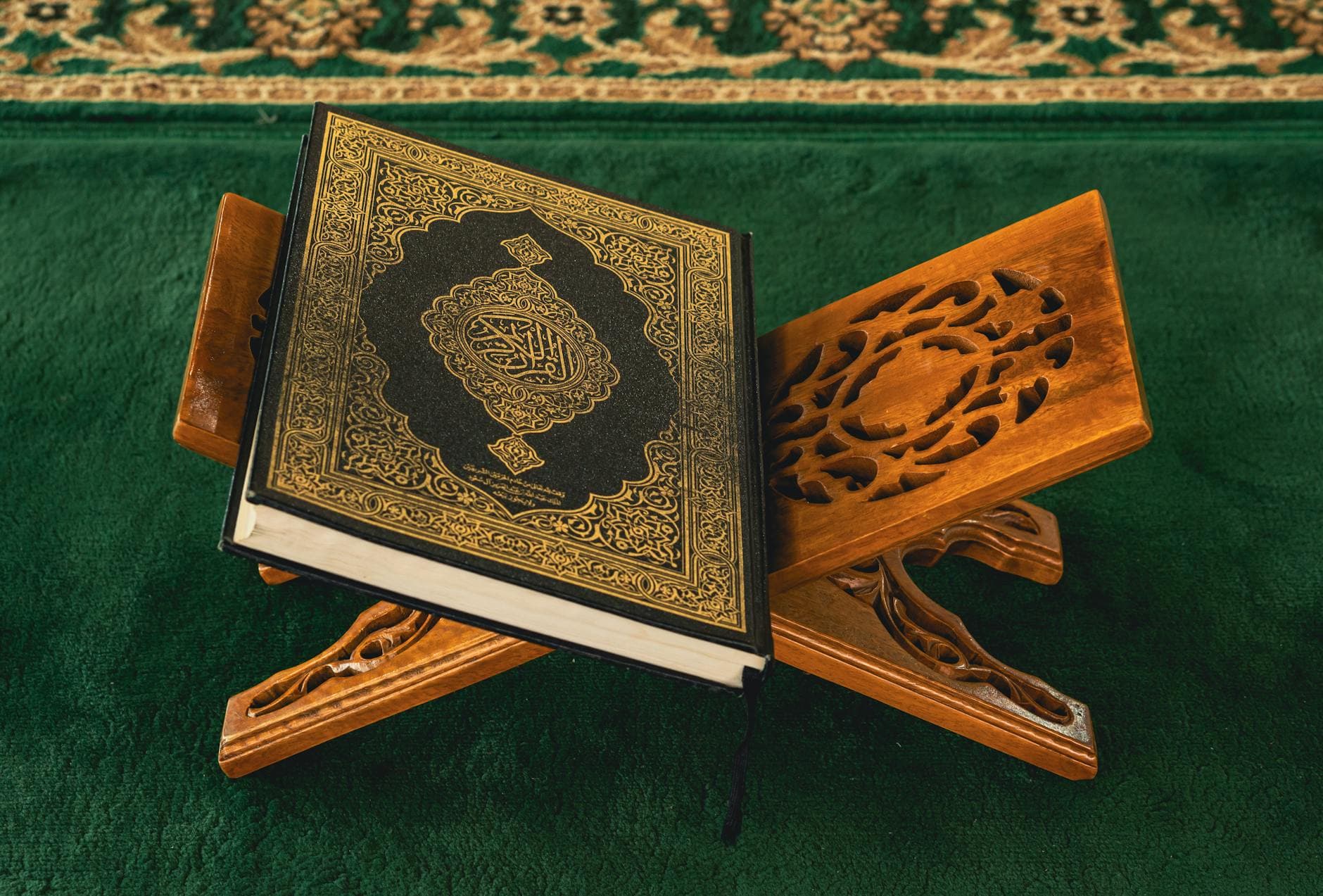
Rizq in Islam: Understanding Divine Provision and Cultivating Trust in Allah
In the journey of life, few concerns weigh as heavily on the human heart as the pursuit of provision, or rizq. From the moment we awaken until we lay our heads down to sleep, our thoughts often revolve around securing our sustenance, providing for our families, and achieving financial stability. It's a universal human experience, cutting across cultures and times. Yet, for a Muslim, this quest is viewed through a unique lens – one illuminated by the radiant light of faith and an unwavering trust in Allah (SWT), the ultimate Provider.
Recently, a powerful sentiment resonated across online communities: "Rizq is in the hands of Allah…Do not despair…Allah will find ways so unimaginable to bless you with Rizq…that you will realise why Allah Is the best of planners…stay righteous & stay close to Allah…Do Not lose hope…" This beautiful reminder encapsulates the essence of the Islamic understanding of rizq. It's a call to hope, to patience, and to a deeper connection with our Creator, even amidst life's challenges. In this comprehensive guide, we will delve into the profound concept of rizq, exploring its meaning, the role of effort and trust, and how we can cultivate a mindset of contentment and gratitude.
What is Rizq?
At its core, Rizq (رزق) is an Arabic term that translates to 'provision,' 'sustenance,' or 'livelihood.' In an Islamic context, it encompasses everything that Allah provides for His creation to sustain them. This includes not only material wealth – food, drink, clothing, shelter, money – but also non-material blessings such as knowledge, health, peace of mind, strong relationships, faith, wisdom, and even the air we breathe. It's a comprehensive term for all blessings, both tangible and intangible, that support our existence and well-being.
The most fundamental aspect of rizq is that its source is ultimately Allah (SWT) alone. He is Al-Razzaq, The Provider, and Ar-Razzaq, The Bestower of Sustenance. This belief forms the bedrock of a Muslim's peace of mind regarding their provision.
"And there is no creature on earth but that upon Allah is its provision, and He knows its dwelling place and its depository. All is in a clear register."
— Quran, Surah Hud (11:6)
This verse beautifully affirms that Allah has taken it upon Himself to provide for every living creature. It's a divine guarantee, a promise that should alleviate anxiety and instill confidence in His perfect plan.
The Balance of Effort and Trust (Tawakkul)
Understanding that Allah is Al-Razzaq does not imply passivity or a lack of effort. Islam champions a balanced approach: one must exert sincere effort while simultaneously placing their ultimate trust (Tawakkul) in Allah. It's not about idleness, but about working diligently, making sound plans, and taking lawful means, then leaving the outcome to Allah.
The Importance of Effort
The Prophet Muhammad (peace be upon him) himself was a hardworking individual who engaged in trade and encouraged his companions to earn a living through their own hands.
"No one has ever eaten a better meal than that which he has eaten from the work of his own hand. And indeed, Prophet Dawud used to eat from the work of his own hand."
— Sahih Bukhari (Vol. 3, Book 34, Hadith 273, also 2072)
This hadith highlights the dignity and reward associated with earning one's livelihood through honest labor. It's a form of worship when done with good intentions and within the bounds of Islamic law. Our effort is a demonstration of our commitment and our obedience to Allah's command to strive in this world.
Cultivating Tawakkul (Trust in Allah)
Tawakkul is a profound spiritual state where a believer, after having expended their best efforts, surrenders their affairs to Allah, trusting in His wisdom, power, and mercy. It's a shield against despair and a source of inner peace.
Imagine a bird: it doesn't sit in its nest waiting for food to magically appear. It flies out each morning, exerting effort to find sustenance. Yet, it doesn't carry the burden of anxiety about where its next meal will come from. It trusts that Allah will provide. The Prophet Muhammad (peace be upon him) beautifully illustrated this:
"If you were to rely upon Allah with the reliance He is due, He would provide for you just as He provides for the birds. They go out in the morning with empty stomachs and return in the evening with full stomachs."
— Narrated by At-Tirmidhi (2344), Ibn Majah (4164), and Ahmad (205)
This hadith teaches us that true Tawakkul is not a replacement for effort but a complement to it. It transforms our anxieties into serene reliance, knowing that the outcome is in the hands of the Best of Planners.
Seeking Rizq Through Halal Means
In Islam, the source and method of acquiring rizq are just as important as the rizq itself. Allah commands us to seek lawful (halal) and good (tayyib) provision.
"O mankind, eat from whatever is on earth [that is] lawful and good and do not follow the footsteps of Satan. Indeed, he is to you a clear enemy."
— Quran, Surah Al-Baqarah (2:168)
Avoiding forbidden (haram) means, such as usury (riba), gambling, theft, deception, or earning from unlawful trades, is a fundamental pillar of Islamic economic ethics. Earning halal rizq ensures that our blessings are pure and that they carry barakah (blessings).
Keys to Unlocking and Increasing Barakah in Rizq
While the quantity of rizq is decreed by Allah, its quality and blessings can be enhanced through various acts of worship and righteous conduct. Barakah refers to the divine blessings, growth, and goodness infused into something, making it sufficient and beneficial even if its material quantity seems small. Here are some ways to invite Barakah into your rizq:
1. Gratitude (Shukr)
Expressing sincere gratitude to Allah for what we have is a powerful magnet for more blessings. It shifts our focus from what we lack to what we possess, fostering contentment and attracting further divine favor.
"And [remember] when your Lord proclaimed, 'If you are grateful, I will surely increase you [in favor]; but if you deny, indeed, My punishment is severe.'"
— Quran, Surah Ibrahim (14:7)
2. Piety and Taqwa (God-Consciousness)
Living a life conscious of Allah's commands and prohibitions is a profound means of attracting rizq from unimaginable sources.
"And whoever fears Allah – He will make for him a way out And will provide for him from where he does not expect. And whoever relies upon Allah – then He is sufficient for him."
— Quran, Surah At-Talaq (65:2-3)
3. Giving Charity (Sadaqah)
Giving from what Allah has provided us, even a small amount, does not decrease wealth but purifies it and causes it to grow in blessings.
"Allah will destroy interest and give increase for charities. And Allah does not like every sinful disbeliever."
— Quran, Surah Al-Baqarah (2:276)
The Prophet Muhammad (peace be upon him) also said: "Charity does not decrease wealth." (Sahih Muslim, 2588).
4. Maintaining Kinship Ties (Silat ar-Rahim)
Treating relatives with kindness, respect, and generosity is a blessed act that has a direct impact on one's provision and lifespan.
"Whoever would like his provision to be abundant and his life span to be extended, let him maintain good relations with his relatives."
— Sahih Bukhari (5985) and Sahih Muslim (2557)
5. Seeking Forgiveness (Istighfar)
Repenting for sins and seeking Allah's forgiveness can open doors to blessings, including increased provision.
"And [saying], 'Seek forgiveness of your Lord and then repent to Him, [and] He will let you enjoy a good provision for a specified term and give every doer of favor his favor.'"
— Quran, Surah Hud (11:3)
6. Du'a (Supplication)
Turning to Allah in sincere supplication is a powerful tool. Asking Allah for lawful and abundant rizq is an act of worship itself.
A beautiful du'a often recited is: "Allahumma inni as'aluka 'ilman nafi'an, wa rizqan tayyiban, wa 'amalan mutaqabbalan." (O Allah, I ask You for beneficial knowledge, good provision, and accepted deeds.) (Sunan Ibn Majah, 925).
Contentment and Patience: True Richness
Sometimes, despite all efforts and prayers, one might perceive their rizq to be limited. It is during these times that patience (sabr) and contentment (qana'ah) become paramount. True richness, as taught by Islam, is not merely in the abundance of possessions but in the richness of the soul and heart.
"Richness is not by having many possessions, but richness is the richness of the soul."
— Sahih Bukhari (6446) and Sahih Muslim (1051)
This profound hadith reminds us that inner peace, satisfaction with what Allah has given, and freedom from greed are far more valuable than any material wealth. A person with contentment finds satisfaction in little, while a greedy person is never satisfied, even with much.
Patience in the face of perceived scarcity is also a virtue that Allah loves. It is a test of faith, and those who endure with patience are promised immense reward. Allah's plan is perfect, and sometimes what seems like a restriction in rizq might be a blessing in disguise, protecting us from harms or leading us to greater good.
Conclusion: A Journey of Faith and Reliance
The concept of rizq in Islam is a comprehensive framework that guides a Muslim's entire approach to livelihood and blessings. It's a journey of continuous effort, unwavering trust in Allah, and sincere gratitude. It encourages us to strive for excellence in our worldly endeavors, always within the boundaries of what is lawful and good, while keeping our hearts attached to the ultimate Provider.
Remember the powerful words that sparked our discussion: "Do not despair…Allah will find ways so unimaginable to bless you with Rizq…" This is the enduring message. Trust in Allah's boundless mercy and infinite wisdom. Work hard, be righteous, give thanks, and supplicate sincerely. The doors of provision will open for you, not just in material wealth, but in peace, contentment, and blessings that nourish your soul and draw you closer to your Creator. May Allah bless us all with abundant, pure, and beneficial rizq.