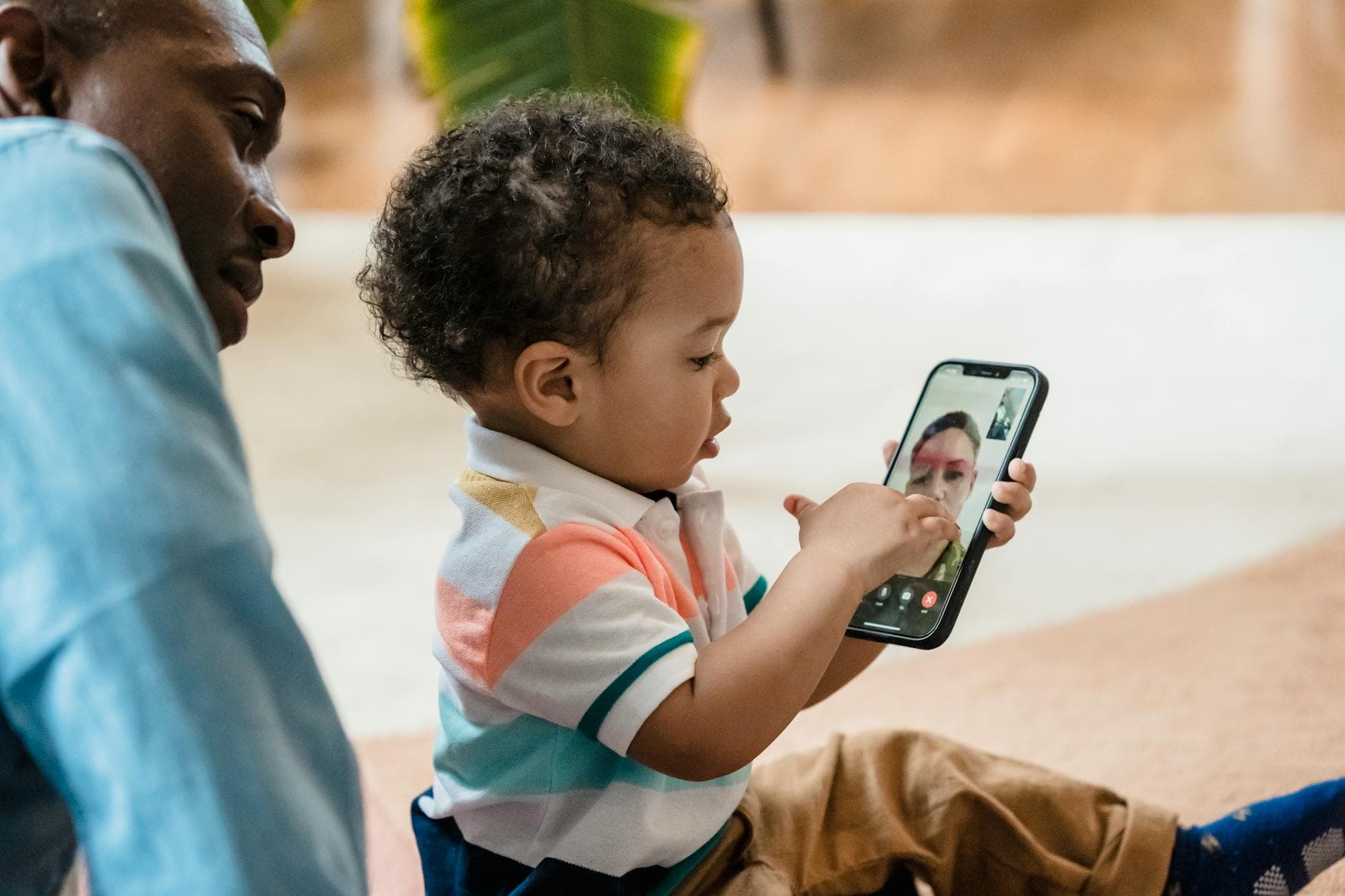
Raising Righteous Children in the Digital Age: An Islamic Guide for Parents
The digital landscape has transformed the way our children grow, learn, and interact with the world. From educational apps to viral videos, the internet offers a vast ocean of information and entertainment. While it presents incredible opportunities, it also introduces unprecedented challenges for parents striving to instill strong Islamic values in their children. A recent Reddit post, where a parent proudly shared their son's wholesome YouTube search history, resonated deeply within the Muslim community, highlighting a universal aspiration: to raise children who embody Islamic teachings, even in the digital realm.
This desire to see our children thriving spiritually and morally, amidst the overwhelming influences of the modern world, is at the heart of Islamic parenting. Allah (SWT) has entrusted us with these precious souls, and it is our profound responsibility to guide them towards the straight path.
The Islamic Imperative: Our Trust (Amanah) as Parents
In Islam, children are considered an amanah (trust) from Allah (SWT). This trust encompasses not only their physical well-being but, more importantly, their spiritual and moral development. Parents are accountable for nurturing their children’s faith, character, and understanding of Islamic principles. The Quran reminds us:
"O you who have believed, protect yourselves and your families from a Fire whose fuel is people and stones..."
— Quran 66:6
This verse serves as a powerful reminder of our duty to safeguard our families, not just from worldly dangers, but from anything that could lead them astray from Allah's path. This protection extends to the digital spaces they inhabit, making conscious parenting in the digital age an act of worship and immense responsibility.
The Prophet Muhammad (PBUH) emphasized the importance of a good upbringing:
"A father gives his child nothing better than a good education."
— Sunan At-Tirmidhi, Hadith 1952
This 'good education' in Islam is comprehensive, encompassing spiritual, moral, intellectual, and physical development. It's about building a strong foundation of Tawhid (Oneness of Allah), Akhlaq (good manners), and an unwavering connection to the Quran and Sunnah.
Navigating the Digital Ocean: Challenges and Opportunities
Children today are digital natives, often exposed to screens from a very young age. While digital tools can be invaluable for learning and connection, they also come with inherent risks:
- Exposure to Inappropriate Content: The internet is uncurated, and children can accidentally or intentionally stumble upon content that contradicts Islamic values or is psychologically harmful.
- Excessive Screen Time: Can lead to physical health issues, sleep disturbances, reduced attention spans, and impact social development.
- Cyberbullying and Online Predators: Real threats that can have lasting emotional and psychological damage.
- Distortion of Values: Exposure to materialism, immodesty, and secular ideologies can subtly erode Islamic principles.
- Addiction: The design of many platforms is inherently addictive, making it difficult for children to disengage.
However, the digital realm also offers immense opportunities:
- Islamic Education: Access to high-quality Quran recitation, tafsir, Hadith lessons, and Islamic lectures from around the globe.
- Positive Role Models: Following Muslim scholars, activists, and content creators who inspire and educate.
- Community Building: Connecting with Muslim peers and communities, especially for those in non-Muslim majority countries.
- Skill Development: Learning new skills, languages, and engaging with educational content.
Core Islamic Principles for Parenting in the Digital Age
To raise righteous children who can navigate the complexities of the modern world, we must anchor our parenting in timeless Islamic principles:
1. Cultivating Tawhid and Iman (Faith)
The first and foremost duty of a parent is to instill Tawhid – the belief in the absolute Oneness of Allah (SWT) – and strengthen their child's Iman. This is the bedrock upon which all other values are built. Teach children about Allah's greatness, His attributes, and His constant presence.
Luqman (AS) advised his son: "O my son, do not associate [anything] with Allah. Indeed, association [with Him] is great injustice."
— Quran 31:13
Start early. Narrate stories of the Prophets, teach them simple du'as, and explain the wisdom behind Islamic practices. When children understand that Allah is the Creator and Sustainer, they develop an inner compass that guides their choices, both online and offline.
2. Exemplary Akhlaq (Character and Manners)
The Prophet Muhammad (PBUH) was sent to perfect noble character. Teaching akhlaq is paramount. This includes honesty, kindness, respect for elders, empathy, humility, and modesty. These values are crucial in the digital world where anonymity can sometimes breed disrespect.
The Prophet (PBUH) said: "Indeed, among the best of you are those with the best character."
— Sahih Bukhari, Hadith 3559
Encourage children to display good manners in their online interactions, to be kind in comments, and to avoid gossip or backbiting, just as they would offline. Model these behaviors yourself, for children learn more from observation than instruction.
3. The Pillars of Islam: Salah and Quran
Regular prayer (Salah) and engagement with the Quran are the spiritual anchors for a Muslim child. Encourage children to perform Salah from a young age and make it a central part of their daily routine. Teach them to recite the Quran, understand its meanings, and reflect upon its verses.
"Indeed, prayer prohibits immorality and wrongdoing..."
— Quran 29:45
When children develop a strong connection to Salah and the Quran, they build a spiritual shield against negative influences. They learn self-discipline, find solace, and develop a sense of purpose that transcends fleeting digital trends. Consider using digital resources like Quran apps or online classes to enhance their learning, but always ensure supervision and balance.
Practical Strategies for Digital-Age Parenting
Beyond these foundational principles, specific strategies are needed to manage children's digital exposure effectively:
1. Be Present and Engaged
Don't just restrict; engage. Sit with your children while they are online, understand what they are watching or playing. Ask questions about their favorite content creators or games. This opens lines of communication and allows you to guide them gently.
2. Foster Media Literacy
Teach children to be critical consumers of media. Discuss what makes content beneficial or harmful. Help them understand the difference between facts and opinions, and to question the messages they receive online. Explain the concept of digital footprint and online privacy.
3. Set Clear Boundaries and Rules
Establish clear rules regarding screen time, types of content allowed, and appropriate online behavior. Use parental control settings on devices and routers. These are tools to assist, not replace, active parenting. Explain the 'why' behind the rules, drawing upon Islamic principles of moderation and protecting oneself from harm.
The Prophet (PBUH) said: "Whoever believes in Allah and the Last Day, let him speak good or remain silent."
— Sahih Bukhari, Hadith 6018, Sahih Muslim, Hadith 47
This applies directly to online interactions. Teach them to speak good or remain silent online.
4. Lead by Example
Children are keen observers. Your own relationship with technology sets a powerful precedent. Do you spend excessive time on your phone? Are you present during family time, or distracted by notifications? Model balanced screen use and prioritize real-world interactions and spiritual practices.
5. Create a Safe Space for Communication
Ensure your children feel comfortable coming to you with any concerns or unsettling experiences they encounter online. Foster an environment of trust and open dialogue, free from immediate judgment. Reassure them that you are there to help them navigate challenges, not just to punish them.
6. Emphasize the Blessings of Allah and Gratitude (Shukr)
In a world that constantly bombards children with desires and consumerism, teach them shukr – gratitude for Allah's countless blessings. Help them appreciate what they have and understand that true contentment comes from within and from pleasing Allah, not from accumulating possessions or seeking validation online.
"And if you should count the favor of Allah, you could not enumerate them. Indeed, Allah is Forgiving and Merciful."
— Quran 16:18
7. Encourage Real-World Engagement
Balance screen time with rich real-world experiences: outdoor play, reading books, spending time with family, visiting mosques, and engaging in community service. These activities build character, strengthen family bonds, and provide a healthy perspective on life that online interactions cannot replace.
The Reward of Righteous Upbringing
Raising children in Islam, especially in these times, is a challenging yet profoundly rewarding journey. A child who is raised upon the teachings of Islam, with a strong moral compass and a love for Allah and His Prophet (PBUH), becomes a source of continuous reward for their parents, even after their passing.
The Prophet (PBUH) said: "When a man dies, all his deeds come to an end except for three: a continuing charity, knowledge from which benefit is gained, or a righteous child who prays for him."
— Sahih Muslim, Hadith 1631
This beautiful Hadith underscores the immense value and long-term impact of raising a righteous child. It is an investment not just for this world, but for the Hereafter.
As Muslim parents, let us embrace our role with dedication, seeking guidance from the Quran and Sunnah, and constantly making du'a to Allah (SWT) to bless our efforts and make our children the coolness of our eyes. May Allah grant us the wisdom and strength to raise generations who uphold the banner of Islam with pride and excellence in all aspects of their lives, including their digital presence. Ameen.