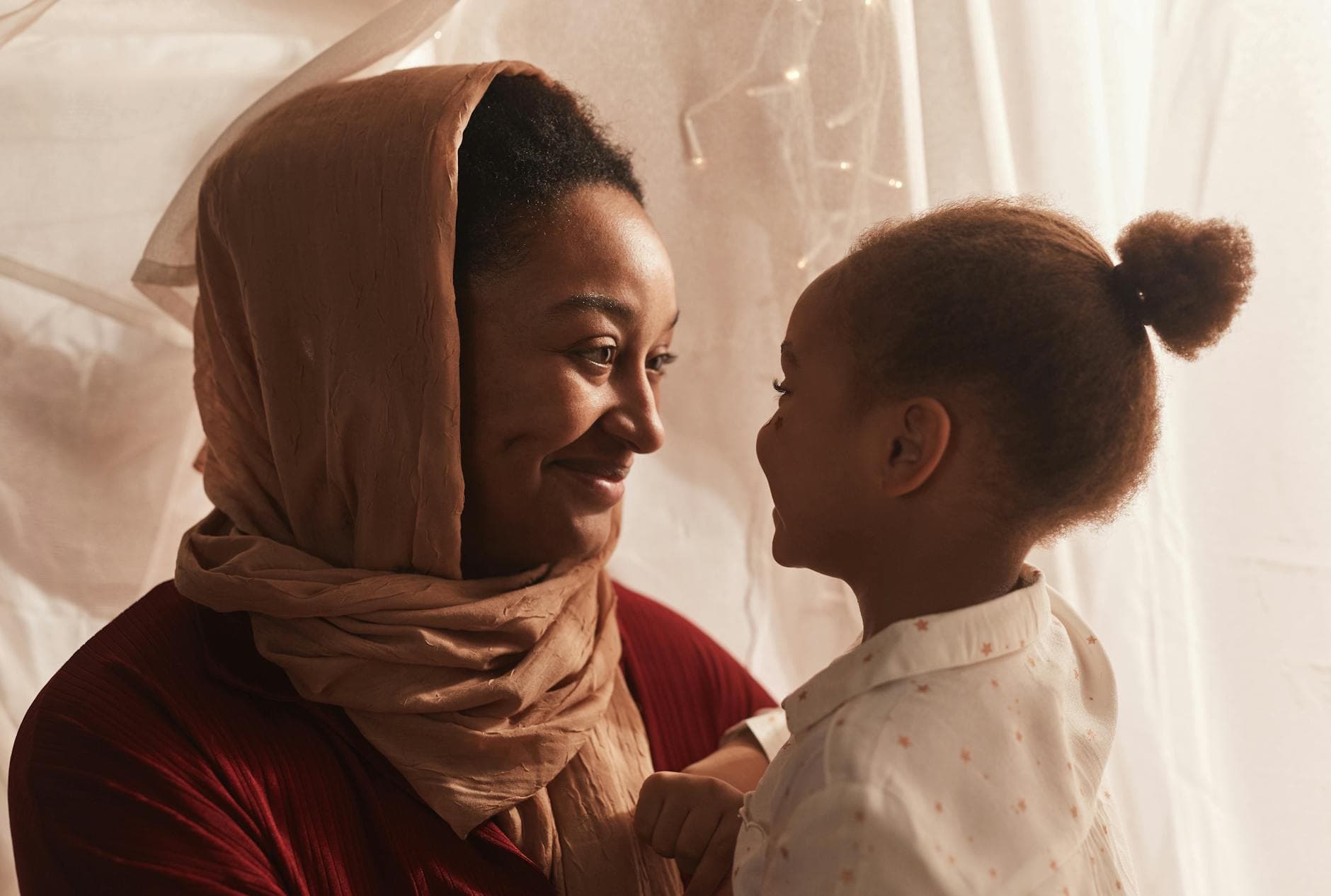
Protecting Our Daughters: Nurturing Islamic Values in a Modern World
In an ever-evolving world, Muslim parents face unique challenges in raising their children, particularly their daughters. The call to be more cautious about where our daughters study and with whom they associate resonates deeply within our communities. How do we, as guardians of their faith and well-being, navigate the complexities of modern society while steadfastly upholding Islamic values? This comprehensive guide explores practical steps and spiritual wisdom to nurture our daughters' Islamic identity and protect them in these times.
The Esteemed Status of Daughters in Islam
Before delving into the challenges, it is crucial to remember the high status Islam bestows upon daughters. Far from being a burden, daughters are a source of immense blessings and a pathway to Jannah for their parents. The Prophet Muhammad (peace be upon him) elevated their status from pre-Islamic ignorance, where female infanticide was common, to one of honor and respect.
A Blessing from Allah
The Quran reminds us that children, whether sons or daughters, are a gift from Allah:
"To Allah belongs the dominion of the heavens and the earth. He creates what He wills. He bestows female [offspring] upon whom He wills, and bestows males upon whom He wills. Or He makes them [both] males and females, and He renders whom He wills barren. Indeed, He is Knowing and Competent." (Quran 42:49-50)
Pathway to Paradise
The Prophet (PBUH) explicitly highlighted the reward for raising daughters well:
Narrated Aisha (RA): The Messenger of Allah (PBUH) said, "Whoever has three daughters or three sisters or two daughters or two sisters and looks after them well, and fears Allah regarding them, will be with me in Paradise thus," and he joined his index finger and middle finger. (Tirmidhi, authenticated by Albani, though similar narrations are found in Sahih Muslim and Bukhari regarding taking care of two daughters leading to Jannah).
This beautiful Hadith emphasizes the immense spiritual reward for parents who raise their daughters with compassion, care, and Islamic guidance. This foundational understanding should empower parents, reminding them of the noble task at hand.
The Islamic Mandate for Education: For Both Sons and Daughters
Islam places immense importance on seeking knowledge for both men and women. The first word revealed in the Quran was "Iqra!" (Read!). The pursuit of knowledge is a sacred duty.
The Messenger of Allah (PBUH) said: "Seeking knowledge is an obligation upon every Muslim." (Sunan Ibn Majah, authenticated by Albani)
This applies equally to our daughters. Islamic history is replete with female scholars, jurists, poets, and teachers who contributed significantly to the intellectual and spiritual landscape of the Muslim world. Our daughters must be educated, not just in worldly sciences but, more importantly, in their Deen. This dual education equips them to navigate life with wisdom, firm faith, and a strong sense of purpose.
Navigating Modern Educational and Social Environments
The challenge lies in reconciling the Islamic mandate for education with the need to protect our daughters from environments that may compromise their faith, morality, or well-being. This requires careful consideration and proactive measures.
Choosing Educational Institutions Wisely
When selecting schools or universities for our daughters, parents should consider several factors beyond academic excellence:
- Islamic Environment: Prioritize institutions that uphold Islamic values, offer Islamic studies, provide prayer facilities, and encourage modest dress. If an Islamic school isn't feasible, look for one with a diverse and respectful student body that accommodates Muslim practices.
- Safety and Protection: Research the institution's safety records, anti-bullying policies, and general campus culture. Ensure there are clear channels for reporting concerns.
- Peer Group Influence: While it's impossible to control every interaction, understanding the general social climate and peer values can help. Encourage your daughter to build strong friendships with righteous companions (sahabat-e-salihah) who share her values.
- Curriculum Scrutiny: Be aware of the curriculum content, especially in subjects like humanities and social sciences, and be prepared to discuss conflicting ideologies with your daughter from an Islamic perspective.
Guiding Social Interactions and Friendships
Modern society often blurs the lines of appropriate interaction, especially between genders. It is vital to teach our daughters the Islamic etiquette of interaction (Adab):
- Maintaining Modesty (Haya'): Teach them the importance of modesty in speech, gaze, and conduct. The Prophet (PBUH) said: "Modesty is part of faith." (Sahih Bukhari)
- Interaction with Non-Mahram: Educate them about the rulings concerning interaction with non-mahram (individuals with whom marriage is permissible). While professional and educational interactions are often unavoidable, emphasize avoiding unnecessary free-mixing, seclusion (khalwa), and flirtatious behavior.
- Setting Boundaries: Empower your daughters to set healthy boundaries in their relationships, politely declining invitations or interactions that make them uncomfortable or compromise their values.
- The Company of the Righteous: Encourage them to seek out friends who remind them of Allah, encourage good deeds, and discourage sin. The Prophet (PBUH) said: "A person is on the religion of his friend; so let one of you look at whom he befriends." (Sunan Abi Dawud, authenticated by Albani)
Navigating Media and Digital Influence
The digital world presents unprecedented challenges. Social media, mainstream media, and online content can significantly influence a young person's values, self-perception, and aspirations.
- Media Literacy: Teach your daughters to critically evaluate content, understanding biases and agendas, especially those that normalize un-Islamic lifestyles or promote harmful ideologies.
- Conscious Consumption: Encourage them to consume beneficial content – Islamic lectures, educational documentaries, and uplifting media – and to limit exposure to content that promotes indecency, violence, or negativity.
- Privacy and Online Safety: Educate them about online privacy, the dangers of sharing personal information, and the importance of responsible digital citizenship.
- Open Communication: Foster an environment where your daughters feel comfortable discussing online challenges, cyberbullying, or concerning content with you without fear of judgment.
Cultivating Modesty (Hijab) – An Inner and Outer Protection
The concept of Hijab in Islam extends beyond the head covering; it encompasses modesty in dress, speech, gaze, and conduct for both men and women. For daughters, understanding and embracing the outward Hijab is a significant step in preserving their dignity and identity.
The Quranic Command
"O Prophet, tell your wives and your daughters and the women of the believers to bring down over themselves [part] of their outer garments. That is more suitable that they should be known and not be abused. And ever is Allah Forgiving and Merciful." (Quran 33:59)
"And tell the believing women to reduce [some] of their vision and guard their private parts and not expose their adornment except that which [necessarily] appears thereof and to wrap [a portion of] their headcovers over their chests and not expose their adornment except to their husbands, their fathers, their husbands' fathers, their sons, their husbands' sons, their brothers, their brothers' sons, their sisters' sons, their women, that which their right hands possess, or those male attendants having no physical desire, or children who are not yet aware of the private aspects of women. And let them not stamp their feet to make known what they conceal of their adornment. And turn to Allah in repentance, all of you, O believers, that you might succeed." (Quran 24:31)
These verses establish the clear injunction for Muslim women regarding modesty. Explain to your daughters that Hijab is a means of protection, empowerment, and an act of obedience to Allah. It frees them from societal pressures to constantly conform to fleeting beauty standards and allows them to be judged by their character and intellect rather than their appearance.
Making Hijab a Choice, Not a Coercion
While Hijab is an obligation, forcing it without genuine understanding and acceptance can be counterproductive. Educate your daughters about its wisdom, beauty, and purpose from a young age. Lead by example, and allow them to embrace it wholeheartedly, fostering a deep love for Allah's commands.
Building a Strong Islamic Identity
Ultimately, the greatest protection we can offer our daughters is a strong, unshakeable Islamic identity rooted in the Quran and Sunnah. This inner strength will guide them through any external challenges.
- Deepen Quranic Connection: Encourage daily recitation, understanding, and reflection upon the Quran. Enroll them in Tafsir classes or family Quran study circles.
- Study the Sunnah: Introduce them to the life and teachings of the Prophet (PBUH) and the noble women around him (Sahabiyat). Their lives offer timeless examples of faith, courage, and wisdom.
- Consistent Practice of Pillars: Ensure they understand and consistently practice the five pillars of Islam: Salah, Zakat (when applicable), Sawm, Hajj (when applicable), and Shahada.
- Teach Islamic Ethics and Manners: Instill in them the importance of honesty, kindness, patience, gratitude, forgiveness, and respect for elders and compassion for the young.
- Connect with the Muslim Community: Engage them in mosque activities, Islamic youth groups, and community events where they can build a sense of belonging and solidarity with fellow Muslims.
The Role of a Supportive Family Environment
The home is the first school and the most influential environment. A supportive, loving, and Islamically oriented family is paramount.
- Parental Role Models: Parents are the primary role models. Your commitment to Islam, your manners, and your interaction with each other and your children will speak volumes.
- Open Communication: Foster an environment where your daughters feel safe to express their concerns, doubts, and struggles without fear of judgment. Be listeners first, then advisors.
- Du'a (Supplication): The most powerful tool of a believer. Make constant Du'a for your daughters' protection, guidance, strength, and success in this life and the Hereafter. The Prophet (PBUH) said: "The Du'a of a father for his son is like the Du'a of a prophet for his nation." (Al-Adab Al-Mufrad, authenticated by Albani).
- Unconditional Love and Support: Let them know they are loved and valued for who they are, both by you and by Allah. This builds self-esteem and resilience.
Conclusion: Vigilance, Wisdom, and Trust in Allah
Protecting our daughters in the modern world is a continuous journey that requires vigilance, wisdom, and an unwavering reliance on Allah. It is not about isolating them from society, but about equipping them with the knowledge, faith, and moral fortitude to navigate its complexities with confidence and dignity. By focusing on their Islamic education, guiding their interactions, promoting modesty, and fostering a strong spiritual identity within a loving home, we can fulfill our sacred trust as parents and raise generations of righteous, confident, and God-conscious Muslim women.
May Allah bless our daughters, protect them from all evil, and make them beacons of guidance and righteousness for humanity. Ameen.