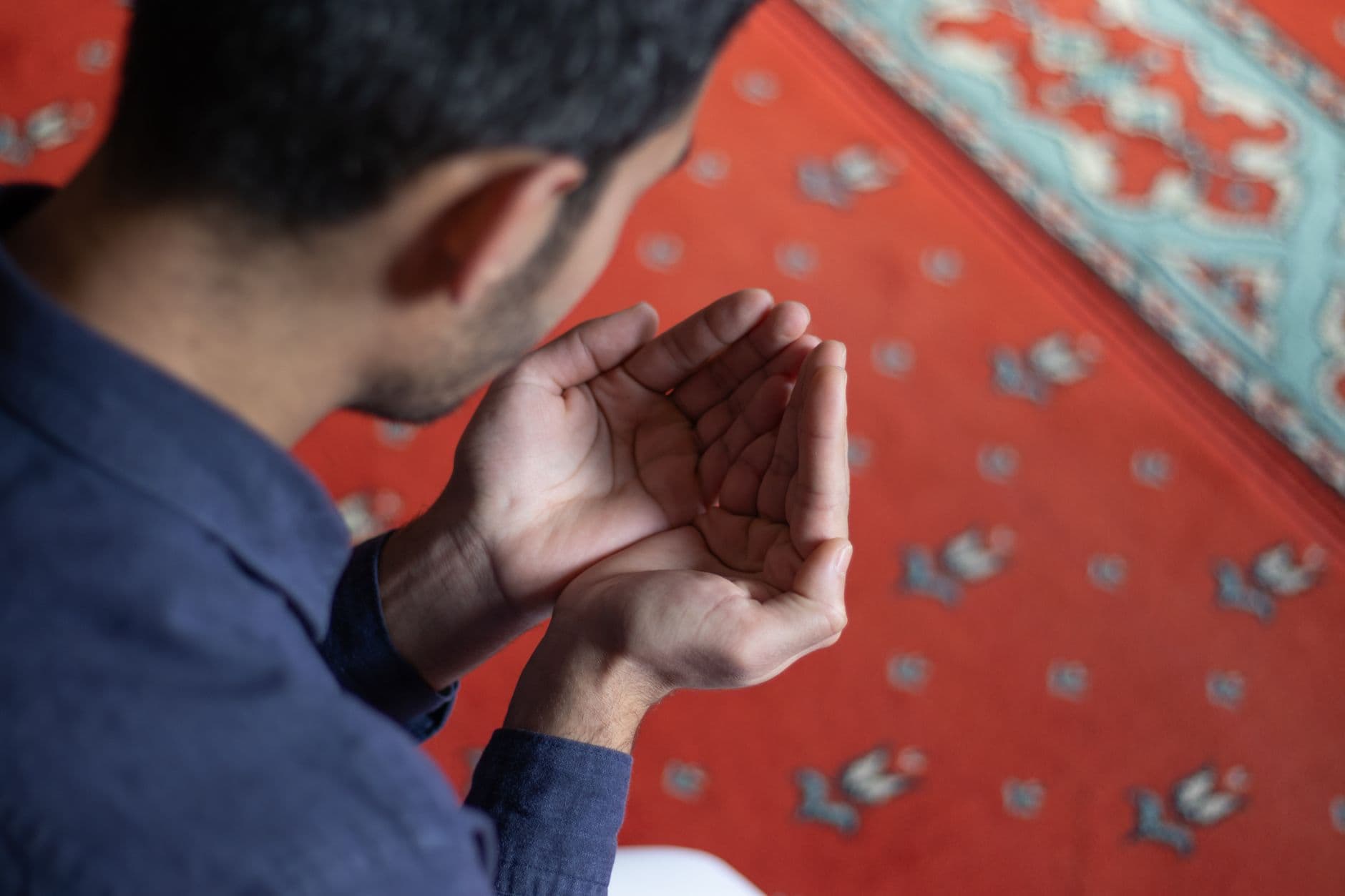
Gratitude in Islam: Unlocking Blessings Through Shukr
In a world often preoccupied with what we lack, the Islamic concept of Shukr (gratitude) offers a profound and transformative path to contentment, peace, and increased blessings. More than just a fleeting emotion, Shukr is a cornerstone of faith, a state of being, and an active way of life that acknowledges Allah's countless favors upon us. It's a journey from focusing on scarcity to celebrating abundance, guiding us towards a deeper connection with our Creator.
What is Shukr? Beyond Just Saying "Thank You"
While often translated simply as 'gratitude' or 'thankfulness,' Shukr in Islam encompasses a far broader meaning. Linguistically, shukr means to acknowledge and appreciate a favor, and to proclaim the goodness of the one who bestowed it. Islamically, it involves three interconnected dimensions:
- Acknowledgement by the Heart (Qalb): Recognizing and affirming that all blessings, big or small, originate from Allah (SWT). It's an internal conviction that everything we possess – our health, family, wealth, faith, and even the air we breathe – is a gift from the Divine.
- Expression by the Tongue (Lisan): Articulating praise and thanks to Allah through words like "Alhamdulillah" (All praise and thanks are due to Allah). It also includes sharing our gratitude with others who have been instrumental in delivering Allah's blessings.
- Action by the Limbs (Jawarih): Utilizing Allah's blessings in ways that please Him. This means using our health for good deeds, our wealth for charity, our knowledge for teaching, and our time for worship and service to humanity. True Shukr is lived out through righteous actions.
Allah (SWT) reminds us in the Quran:
"And Allah has extracted you from the wombs of your mothers while you knew nothing, and He made for you hearing and vision and hearts that perhaps you would be grateful." (Quran 16:78)
This verse highlights that our very existence and faculties are blessings, given to us so that we may recognize and express gratitude.
The Quranic Mandate for Gratitude
The Holy Quran is replete with verses that emphasize the importance and rewards of being grateful. Allah (SWT) frequently reminds us of His favors and commands us to respond with thankfulness.
One of the most powerful promises related to gratitude is found in Surah Ibrahim:
"And [remember] when your Lord proclaimed, 'If you are grateful, I will surely increase you [in favor]; but if you deny, indeed, My punishment is severe.'" (Quran 14:7)
This verse contains a divine guarantee: gratitude leads to an increase in blessings. It's not merely a spiritual reward in the hereafter, but often a tangible increase in this life – in peace, contentment, wealth, health, or other forms of goodness. Conversely, ingratitude (Kufr an-Ni'mah, denying blessings) carries a severe warning.
Allah also links gratitude with remembrance:
"So remember Me; I will remember you. And be grateful to Me and do not deny Me." (Quran 2:152)
This establishes a beautiful reciprocal relationship: when we remember and are grateful to Allah, He remembers us with His mercy and blessings.
The Prophetic Example: Our Best Teacher in Shukr (PBUH)
The life of Prophet Muhammad (peace be upon him) serves as the ultimate embodiment of gratitude. He was a paragon of Shukr, consistently expressing thankfulness to Allah in all circumstances, whether in ease or hardship.
One profound narration highlights his deep gratitude:
Narrated `Aisha: The Prophet (ﷺ) used to stand (in the prayer) till his feet swelled. So I said to him, "Why do you do so, O Allah's Messenger, while Allah has forgiven you all your past and future sins?" He said, "Should I not be a grateful servant?" (Sahih Bukhari 4837, Sahih Muslim 2819)
This Hadith teaches us that gratitude is not just for sinners seeking forgiveness but for all, especially those closest to Allah. The Prophet's continuous worship and devotion were an expression of his immense gratitude for Allah's boundless mercy and favors. His example shows that Shukr is an ongoing, active process, not a one-time event.
He taught us various Du'as (supplications) for expressing gratitude, such as the morning and evening adhkar that acknowledge Allah's favors and seek His protection. He always reminded his companions to acknowledge the blessings they had, rather than focusing on what they didn't.
The Multi-faceted Benefits of Cultivating Gratitude
Embracing Shukr has a profound impact on a Muslim's spiritual, emotional, and even physical well-being. The benefits are far-reaching:
1. Spiritual Growth and Closeness to Allah
When we consciously acknowledge Allah as the source of all good, our imaan (faith) strengthens. This recognition fosters a deeper sense of awe, love, and submission to Him, drawing us closer to the Divine presence.
2. Increased Blessings (Barakah)
As promised in Quran 14:7, gratitude is a direct path to an increase in Allah's favors. This increase can manifest in various forms: more wealth, better health, stronger relationships, inner peace, or even the ability to appreciate the blessings we already have more fully.
3. Contentment and Inner Peace
Gratitude shifts our focus from what is missing to what is present. This perspective cultivates qana'ah (contentment), freeing us from the endless pursuit of more and leading to a profound sense of peace and satisfaction with Allah's decree.
4. Resilience and Patience (Sabr)
In times of hardship, a grateful heart can find silver linings. Even amidst trials, a believer can be grateful for their faith, for their health, for the support of family, or simply for the fact that the trial is not worse. This perspective fosters sabr (patience) and resilience, helping us navigate difficulties with strength and hope.
5. Positive Outlook on Life
Regularly practicing gratitude rewires our brains to notice the good, transforming our overall outlook on life. This positivity impacts our relationships, productivity, and mental health, reducing feelings of envy, resentment, and negativity.
6. Better Relationships with Others
Islam encourages us to show gratitude not only to Allah but also to those who serve as a means for His blessings to reach us. Expressing thanks to parents, spouses, friends, and even strangers strengthens bonds and fosters a more compassionate community.
Practical Steps to Infuse Shukr into Your Daily Life
Cultivating Shukr is a conscious effort that requires consistent practice. Here are some actionable steps to make gratitude a habit:
1. Daily Dhikr and Du'a (Remembrance and Supplication)
Make it a daily practice to say "Alhamdulillah" frequently. After every prayer, upon waking up, before going to sleep, and whenever you witness a blessing. Recite the morning and evening adhkar which often include expressions of thanks to Allah. For example, the Prophet (PBUH) said:
Narrated Abu Huraira: The Prophet (ﷺ) said, "Whoever says, 'Subhan Allah wa bihamdihi,' one hundred times a day, will be forgiven all his sins even if they were as much as the foam of the sea." (Sahih Bukhari 6405)
While this is about forgiveness, the act of glorifying Allah (Subhan Allah) and praising Him (Bihamdihi) inherently involves recognizing His perfection and favors, thus fueling gratitude.
2. Reflect on Allah's Countless Favors
Take time each day to consciously list the blessings in your life. Start with the basics: your ability to see, hear, walk, breathe, the food on your table, a roof over your head, your family, friends, and the blessing of Islam itself. Don't overlook the small, seemingly insignificant details; often, these are the most profound.
3. Perform Acts of Worship with Intention
View your Salah (prayer), Sawm (fasting), Zakat (charity), and Hajj (pilgrimage) not just as obligations, but as opportunities to express gratitude. Each act of worship is a chance to show Allah (SWT) that you acknowledge His blessings and are thankful for the guidance He has provided.
4. Give Sadaqah (Charity)
Sharing your wealth, time, or knowledge with others is a powerful form of gratitude. When Allah blesses you, using a portion of those blessings to help those less fortunate demonstrates your thankfulness and earns immense rewards.
5. Be Mindful of Blessings During Trials
Even in moments of difficulty, try to find something to be grateful for. Perhaps the trial strengthened your faith, or you still have your health, or you have supportive loved ones. Reflect that even hardship can be a purification of sins or a means to draw closer to Allah. The Prophet (PBUH) taught us to be grateful in all situations:
Narrated Anas bin Malik: The Prophet (ﷺ) said, "No one is truly grateful to Allah who is not grateful to people." (While the exact wording is from Tirmidhi, the essence of thanking people is a fundamental Islamic principle. A Hadith in Sahih Muslim from Suhaib (RA) states, 'Amazing is the affair of the believer, for there is good in every matter for him... If he is afflicted with a trial, he is patient, so it is good for him.') This latter Hadith encompasses the spirit of gratitude even in adversity.
6. Avoid Excessive Complaining
Consciously reduce complaining and negativity. While it's natural to express concerns, dwelling on what's wrong can diminish our awareness of what's right. Shift your focus to solutions and blessings instead.
The Peril of Ingratitude (Kufr an-Ni'mah)
Just as gratitude opens doors to more blessings, ingratitude can lead to their withdrawal. Kufr an-Ni'mah means denying or misusing Allah's favors. This isn't necessarily disbelief in Allah, but a denial of His continuous blessings upon us. It manifests as arrogance, wastefulness, or attributing blessings to one's own efforts rather than Allah's grace.
Allah's warning in Surah Ibrahim (14:7) is clear: "...but if you deny, indeed, My punishment is severe." This serves as a potent reminder of the importance of remaining humble and acknowledging the true source of all goodness.
Conclusion: A Journey of Everlasting Shukr
Gratitude in Islam is more than just a momentary feeling; it is a spiritual discipline that transforms our hearts, minds, and actions. It's a continuous journey of recognizing Allah's endless generosity, expressing our thanks with our tongues, and utilizing His blessings righteously. By consciously cultivating Shukr, we not only fulfill a fundamental command of our faith but also unlock profound contentment, inner peace, and a promised increase in blessings in this life and the Hereafter.
Let us strive to be among the grateful servants, for as Allah (SWT) says: "...And few of My servants are grateful." (Quran 34:13). May Allah make us among them. Ameen.