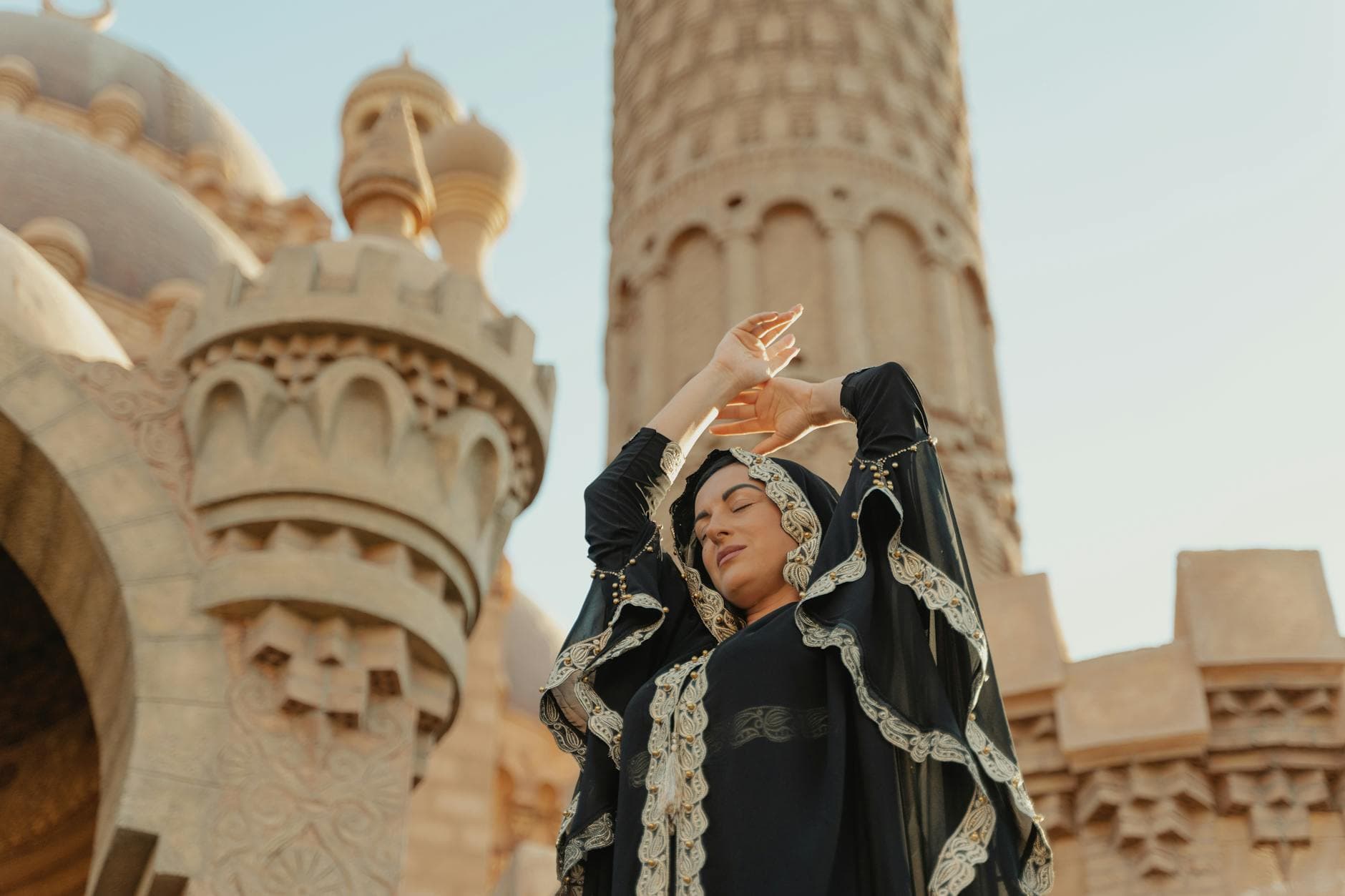
Embracing Islam: A Journey of Faith, Growth, and Community for New Muslims
Alhamdulillah! What a truly blessed moment it is to embrace Islam, or to even be on the path of considering this beautiful way of life. The journey into Islam, whether it's a recent Shahada or a deepening of an existing commitment, is one filled with immense blessings, profound peace, and continuous growth. It's a transformative path, and you are not alone in it. This guide is for you – whether you've just taken your Shahada, are contemplating the step, or simply wish to understand the journey of new Muslims better.
The Sacred Step: Uttering the Shahada
The Shahada, the declaration of faith, is the cornerstone of Islam. It is the simple yet profound statement: "Ash-hadu an la ilaha illa Allah, wa ash-hadu anna Muhammadan abduhu wa rasuluh" (I bear witness that there is no deity worthy of worship except Allah, and I bear witness that Muhammad is His servant and messenger). This declaration is more than just words; it's a heartfelt commitment, a covenant with your Creator, and an entry into a global brotherhood and sisterhood of faith.
When a person sincerely utters the Shahada, they are instantly forgiven of their past sins and begin their spiritual ledger anew. The Prophet Muhammad (peace be upon him) said:
"Do you not know that Islam destroys all that came before it?"
(Sahih Muslim)
This Hadith brings immense comfort and hope, signifying a fresh start and the boundless mercy of Allah (SWT). It underscores the beauty of conversion, wiping the slate clean and offering a pure beginning.
The Foundations of Your New Faith: Pillars and Principles
Upon embracing Islam, understanding its core tenets is essential. The faith is built upon five pillars, which provide a framework for a Muslim's life:
-
Shahada (Declaration of Faith): As discussed, the verbal and heartfelt acknowledgment of Allah's Oneness and Muhammad's prophethood.
-
Salah (Prayer): Performing five daily ritual prayers facing the Kaaba in Makkah. Salah is a direct connection with Allah, a source of peace, and a reminder of our purpose.
"Verily, the prayer is enjoined on the believers at fixed times."
(Quran 4:103)
-
Zakat (Charity): An obligatory annual charity paid to the poor and needy by those who meet certain wealth thresholds. It purifies wealth and fosters social solidarity.
-
Sawm (Fasting): Abstaining from food, drink, and marital intimacy from dawn till dusk during the month of Ramadan. It is a period of spiritual reflection, self-discipline, and empathy for the less fortunate.
-
Hajj (Pilgrimage): A pilgrimage to Makkah, obligatory once in a lifetime for those who are physically and financially able.
Beyond these pillars, Islam guides every aspect of life through its principles: the belief in Allah, His Angels, His Revealed Books, His Messengers, the Day of Judgment, and Divine Decree. These beliefs cultivate a profound sense of purpose, justice, and accountability.
Taking Your First Steps: Practical Guidance for New Muslims
Embarking on this journey can feel overwhelming, but remember that Islam emphasizes ease and gradual progression. Allah (SWT) says:
"Allah intends for you ease and does not intend for you hardship."
(Quran 2:185)
Here are some practical steps to help you settle into your new faith:
1. Learn How to Pray (Salah)
Salah is the most frequent and central act of worship. Start by learning the basic postures and recitations. Many resources are available: online tutorials, books, and local mosque classes. Don't feel discouraged if it's not perfect initially; sincerity and effort are what count. Consistency is key, even if you start with just one or two prayers a day and gradually build up to five.
2. Connect with the Quran
Begin by reading translations of the Quran. Focus on understanding the meaning and the beautiful messages. Consider starting with shorter surahs (chapters) and their interpretations. Listening to recitations can also help familiarize you with the Arabic sounds.
3. Seek Knowledge
Learning is a lifelong journey in Islam. Start with the basics: the life of the Prophet Muhammad (Seerah), fundamental Islamic etiquette, and the meanings behind daily actions. Attend classes at your local mosque, read authentic Islamic books, and seek out reliable online sources. The Prophet (peace be upon him) said:
"Whoever travels a path seeking knowledge, Allah will make easy for him a path to Paradise."
(Sahih Muslim)
4. Join a Community
Connecting with other Muslims is invaluable. Visit your local mosque, attend events, and introduce yourself. A supportive community can answer your questions, offer encouragement, and provide a sense of belonging. Many mosques have specific programs or support groups for new Muslims.
5. Embrace Gradual Change
Islam is a complete way of life, but transformation happens over time. Don't feel pressured to change everything at once. Focus on one small step at a time. Whether it's adopting modest dress, giving up certain habits, or learning more Arabic, be patient with yourself. This is a marathon, not a sprint.
Navigating Common Challenges for Reverts and New Muslims
The path of a new Muslim, or a 'revert' (as many prefer, acknowledging a return to an innate state of submission to God), can come with unique challenges. It’s important to acknowledge these and know how to address them with wisdom and patience.
1. Family and Social Reactions
One of the most significant challenges can be how family and friends react. Some may be supportive, while others might be confused, resistant, or even hostile. It's crucial to approach these situations with kindness, patience, and clear communication.
- Maintain ties: Islam emphasizes maintaining family bonds. Continue to show love and respect, even if they don't understand your choices. Engage in respectful dialogue, sharing aspects of your faith if they are open to it, but avoid arguments.
- Set boundaries: While being respectful, it's also important to establish healthy boundaries to protect your faith and practice.
- Seek wisdom: Consult knowledgeable individuals on how to best navigate specific family dynamics while upholding Islamic principles.
2. Internal Struggles and Doubts
It's natural to experience moments of doubt, confusion, or difficulty in adjusting. Questions may arise, or you might feel overwhelmed by the vastness of Islamic knowledge. Remember:
- Patience (Sabr): The Quran frequently reminds us to be patient. "O you who have believed, seek help through patience and prayer. Indeed, Allah is with the patient." (Quran 2:153)
- Seek answers: Don't let doubts fester. Seek knowledge from reliable scholars and teachers. Many questions have well-established Islamic answers.
- Trust in Allah: Reaffirm your belief in Allah's wisdom and guidance. Your heart led you to Islam for a reason.
3. Misconceptions and Stereotypes
New Muslims often face pre-existing misconceptions about Islam, either from non-Muslims or even from some Muslims who may not fully embody the faith's teachings. Educate yourself from authentic sources so you can distinguish between cultural practices and core Islamic tenets.
4. Integration into the Muslim Community
While the Muslim community is a source of strength, finding your place can sometimes be tricky. Cultural differences within the Muslim community, or simply feeling like an outsider, can occur. Be proactive in seeking out people and groups that make you feel comfortable and accepted.
The Journey of Continuous Growth
Embracing Islam is not a one-time event; it's a lifelong journey of learning, striving, and drawing closer to Allah. Every day offers an opportunity for spiritual growth, self-improvement, and service to others. Remember these points:
- Tawakkul (Reliance on Allah): Trust that Allah will guide and support you through every challenge. His plans are always the best.
- Du'a (Supplication): Make prayer a constant part of your life. Ask Allah for guidance, strength, patience, and ease.
- Seeking Forgiveness (Istighfar): We all make mistakes. Regularly seek Allah's forgiveness and strive to improve.
Your journey as a new Muslim is a beautiful testament to the power of faith and the mercy of Allah. It's a path filled with challenges, certainly, but also with immeasurable rewards, inner peace, and a profound connection to the Divine. Welcome home.